ABB China Lingang Factory Delivers Over 250 Propulsion Units, Supporting Green Transformation in Shipbuilding
en.Wedoany.com Reported - The global shipbuilding industry maintained high-level operations in 2025. According to Clarksons research data, the global newbuilding market signed contracts for 2,159 vessels in 2025, totaling 58.41 million compensated gross tons (CGT). China's shipbuilding industry accounted for 56.1%, 69.0%, and 66.8% of the global market in the three core indicators of completed shipbuilding output, new orders, and orders on hand, respectively, maintaining its position as the world's largest shipbuilding nation.
In 2026, the market share of Chinese shipyards further expanded. In the first quarter, 554 new vessels were ordered globally, totaling 17.58 million CGT, a year-on-year increase of 40%. Among these, Chinese shipyards secured new orders of 12.39 million CGT, accounting for approximately 71% of the global market share, with industrial advantages continuing to strengthen.
China's vast shipbuilding market has become a key focus area for ABB's marine business. Lou Yiliang, Head of ABB Marine Propulsion Business in China, introduced that the company entered the Chinese marine market in 2003. In 2011, the ABB Azipod® podded electric propulsion production base was established in Lingang, Pudong, Shanghai, achieving batch deliveries the following year.
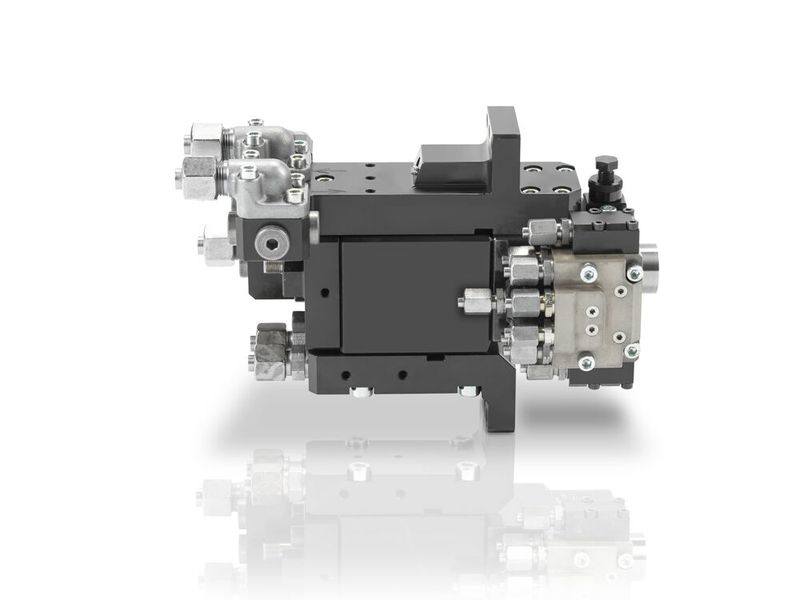
Marine propulsion systems are the core devices of a vessel's power system, converting engine output energy into thrust to enable vessel navigation. Their performance directly impacts a ship's speed, maneuverability, and fuel efficiency. Lou Yiliang stated that the Azipod® podded electric propulsion system features an innovative structural design, placing the electric propulsion motor in an underwater pod outside the hull to directly drive the propeller, eliminating traditional shaft line designs and simplifying the propulsion system. This product enables 360-degree azimuthing operation, improving dynamic positioning accuracy and providing design flexibility for optimizing hull lines. Practical applications show that compared to traditional shaft line propulsion systems, the Azipod® podded electric propulsion system can reduce fuel consumption by up to 20%, offering significant emission reduction and economic benefits.
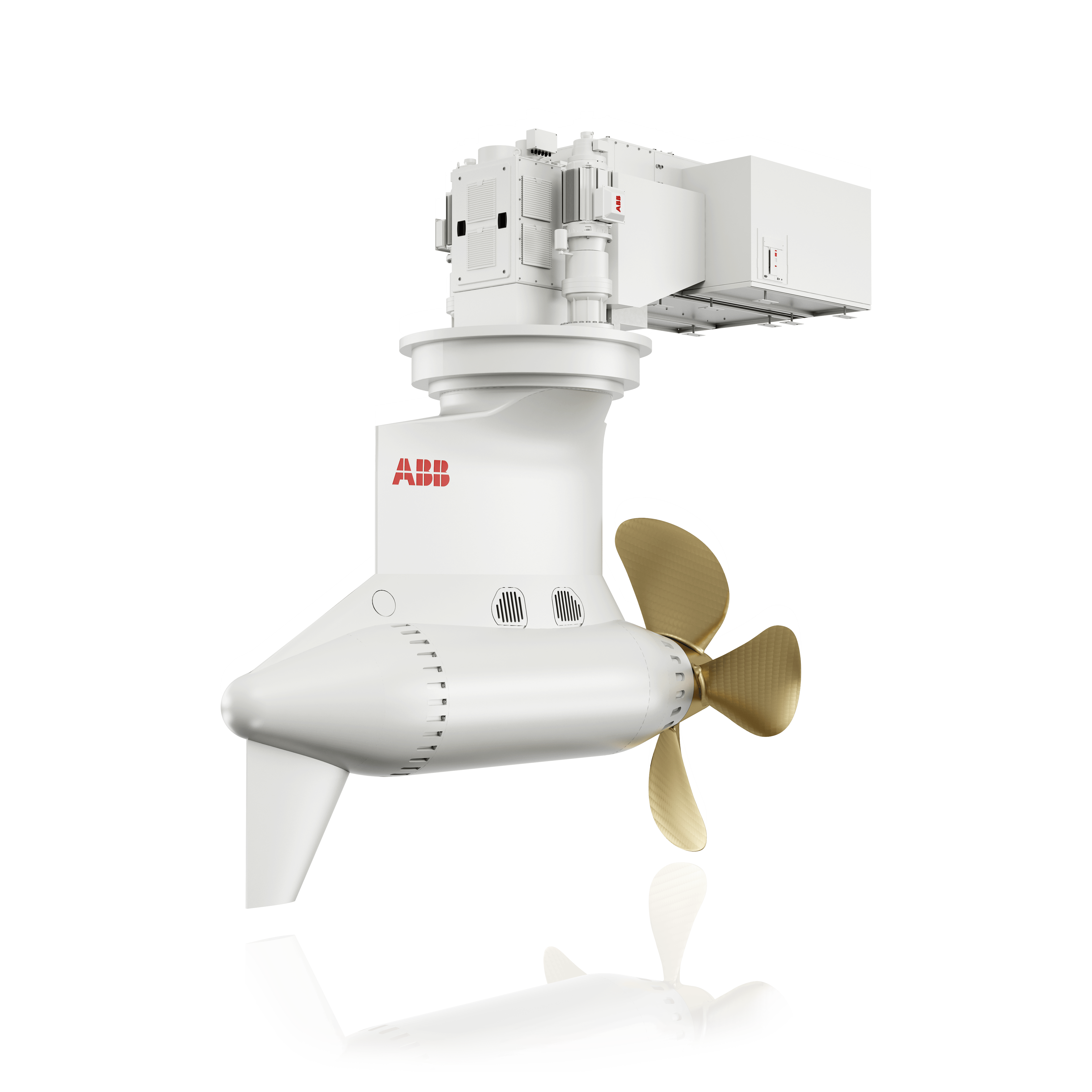
This propulsion system is suitable for vessels with lower power requirements and has been applied in batches to research vessels such as "Science," "Polar," and "Exploration III," as well as special-purpose vessels like the Yantai-Dalian railway ferry. Lou Yiliang added that optimizations, vessel tests, and hydrodynamic calculations have been conducted for different ship types, combined with validation from actual operations of similar vessels, resulting in effectively improved propulsion performance after customization.
China's vessel demand structure is undergoing an upgrade. Lou Yiliang analyzed that current market demand is strong in areas such as high-end special-purpose vessels, deep-sea offshore engineering vessels (including wind turbine installation vessels and cable-laying vessels), and green intelligent ships, with demand for medium and small-sized vessels remaining high. Increased national investment in maritime rescue, scientific research, and related fields is also driving demand for relevant vessels. ABB's response to domestic marine market demand is linked to its localized production capacity layout in Lingang. Shanghai offers advantages in its status as a shipping industry center, supporting infrastructure, location, business environment, customs clearance convenience, high-end equipment parks, and talent and technology resources.
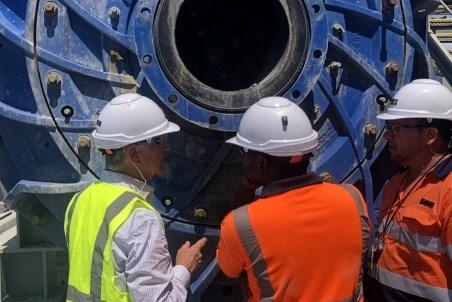
The Lingang factory is ABB's only global manufacturing base for Azipod® podded electric propulsion systems with specifications of 7.5 MW and below. After nearly 15 years of operation, the factory has achieved full localization in engineering design, supply chain management, production, and service, with operations managed by a local team. It has delivered over 250 sets of Azipod® podded electric propulsion systems, providing core equipment for the domestic and Asia-Pacific shipbuilding industry.
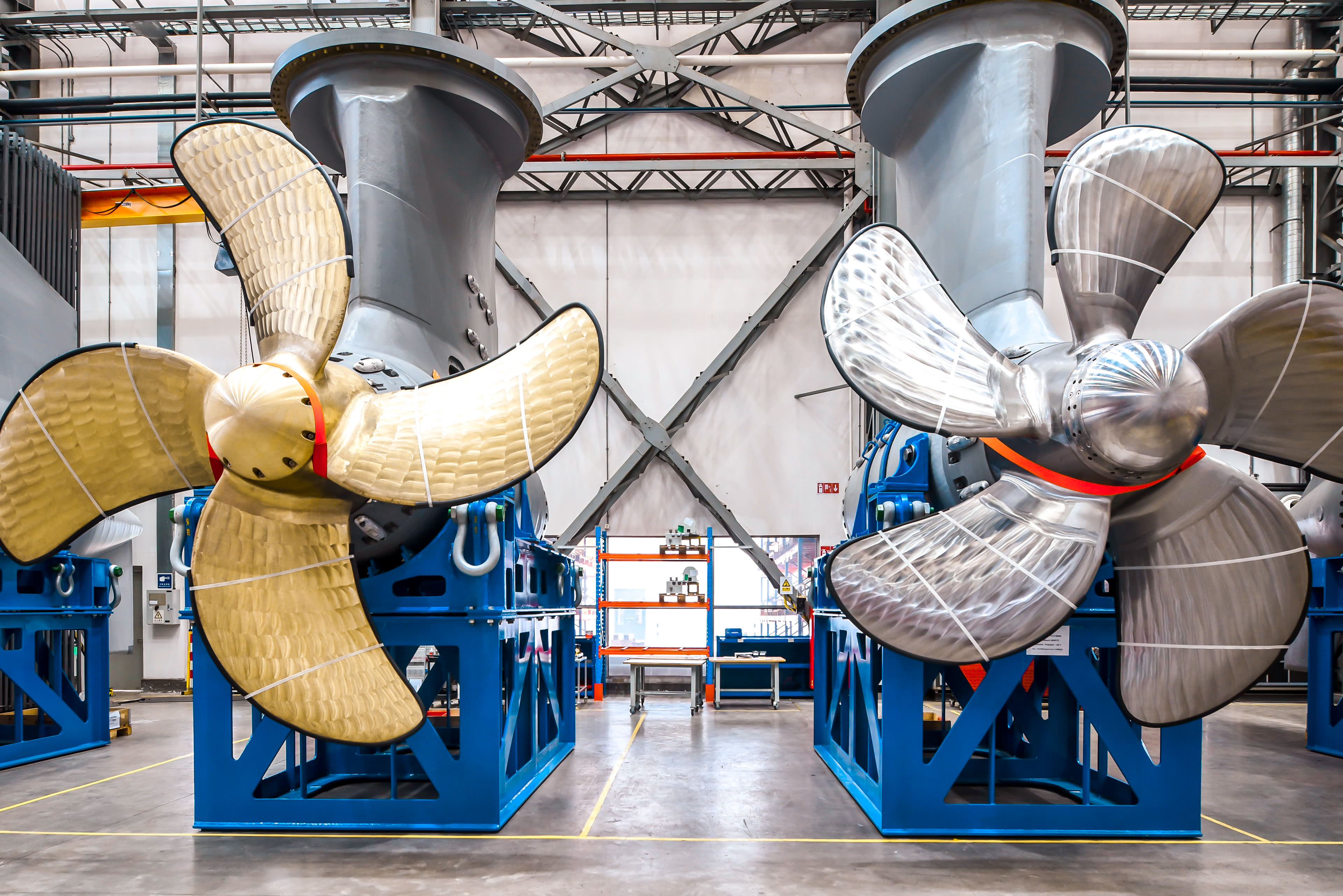
Lou Yiliang stated that the Lingang factory handles assembly and testing, with components supplied by both local and global suppliers. Industrial chain collaboration is a key part of localized operations. ABB's global supply team works closely on supplier selection and development, promoting more local suppliers to enter the global supply system for Azipod® podded electric propulsion systems while ensuring supply quality. Relying on a mature local supply chain, the factory's product delivery cycle has been shortened by nearly half compared to five years ago.
Based on industry research, ABB identified three core challenges facing the green power transformation of China's shipbuilding industry: high upfront procurement costs for low-carbon power supporting equipment; difficulty in integrating multiple systems for ship electrification and intelligent equipment; and increasingly stringent global maritime environmental regulations, with energy transitioning from low-carbon to zero-carbon, leaving shipowners facing diverse technical route choices in energy selection, system, and propulsion equipment adaptation. Lou Yiliang indicated that ABB plans to build an electric system compatible with multiple energy sources, centered on the Azipod® podded electric propulsion system, to provide low-carbon solutions. Leveraging full lifecycle digital solutions, ABB aims to enhance the operational economy of green vessels, supporting the electrification, automation, and digital transformation of China's shipbuilding industry.
Related Products

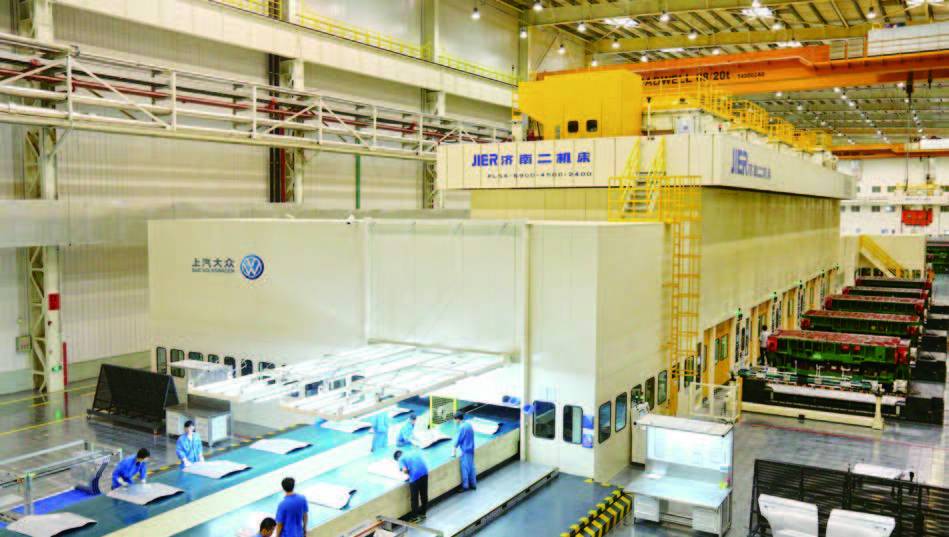
High-Speed Flexible Fully Automatic Stamping Production Line
JIER Machine-Tool Group Co., Ltd.

Pneumatic high-pressure wear-resistant ball valve
Zhejiang Deca Control Valve Meter Co., Ltd.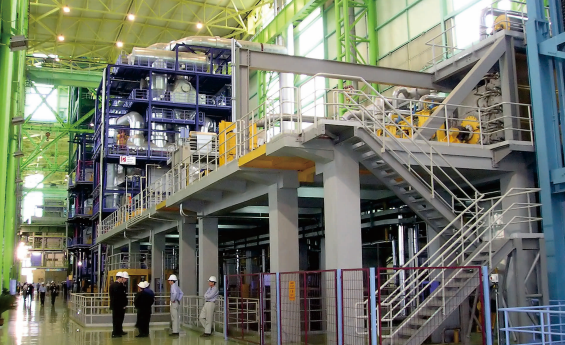
Strip Coating and Plating Production Line Equipment
MCC-SFRE HEAVY INDUSTRY EQUIPMENT CO., LTD.
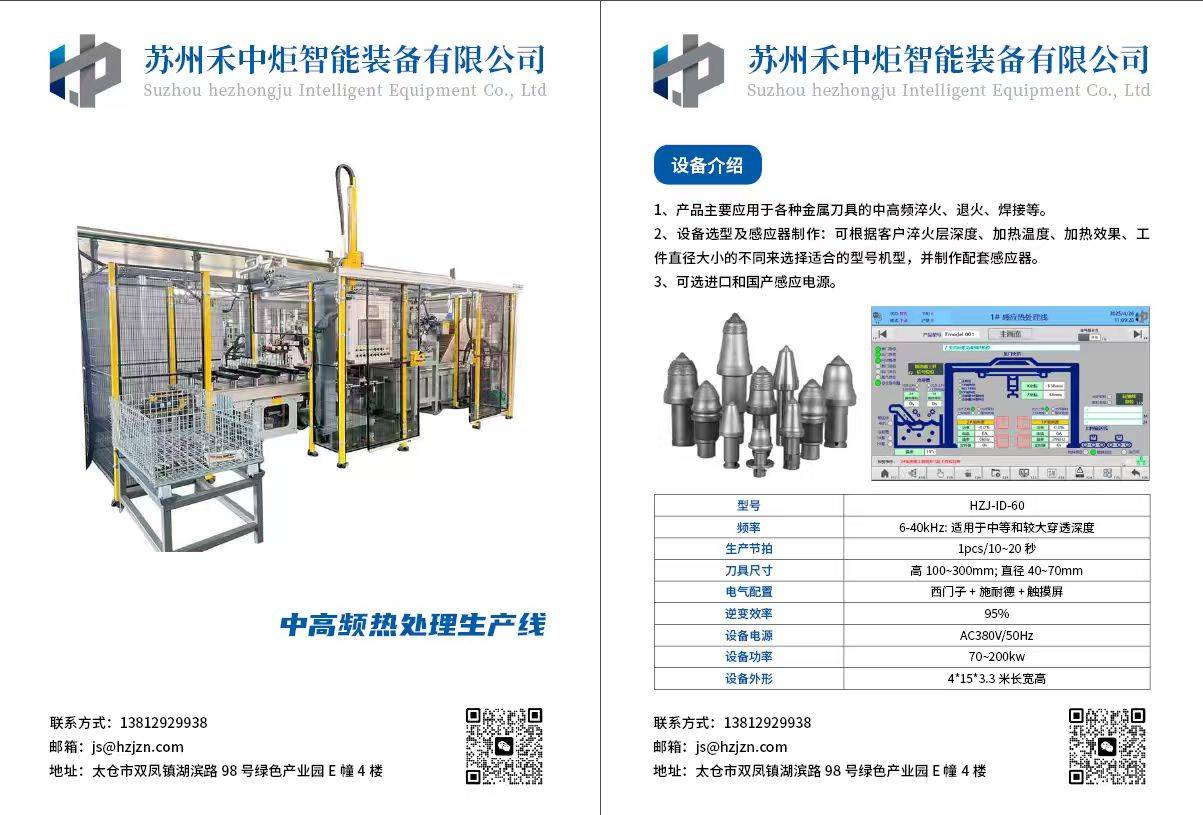
Excavator Bucket Teeth Heat Treatment Production Line
Suzhou Hezhongju Intelligent Equipment Co., Ltd.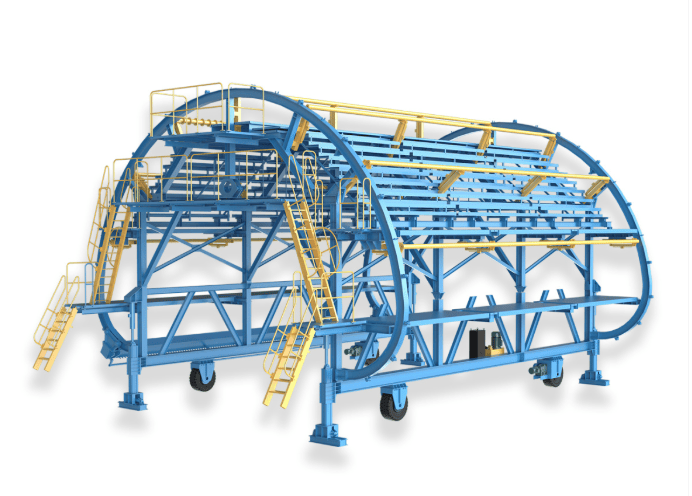
QLZNGJ Intelligent Steel Reinforcement Trolley
Luoyang China Railway Qiangli Machinery Co., Ltd.
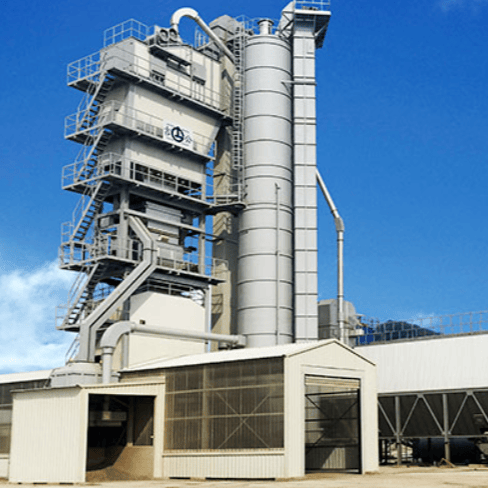
LBH4000 Batch Environmental Protection Asphalt Mixing Plant | Asphalt Batching Plant | Asphalt Mixing Plant
Jilin Province Road Construction Machinery Co., Ltd.