Phase Composition of Stainless Steel Welds in Fast Reactors after 195,000 Hours of Aging at the Kurchatov Institute, Russia
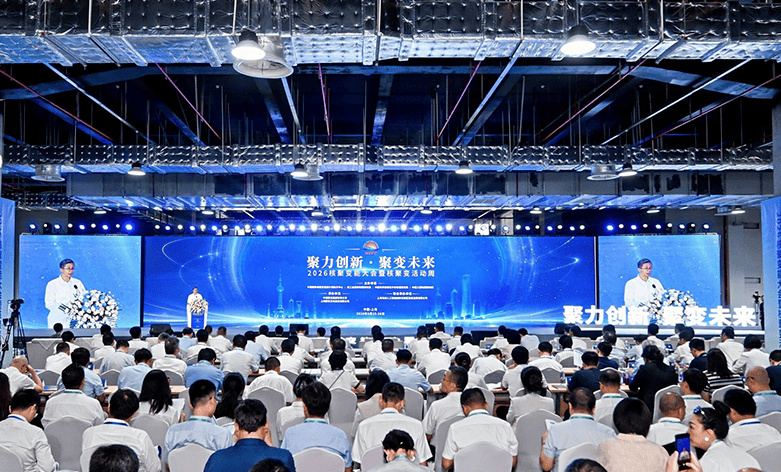
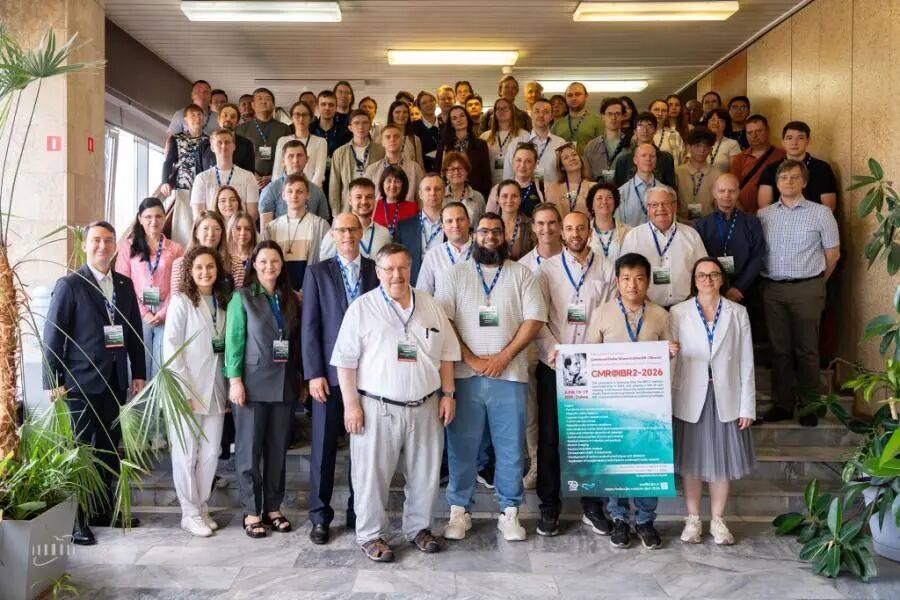
en.Wedoany.com Reported - Mikhail Fedoseyev, Chief Engineer of the Central Research Institute of Structural Materials "Prometheus" at the National Research Center "Kurchatov Institute," reported on the study of the phase composition of austenitic stainless steel welds used in the manufacture of structural equipment for fast neutron reactors (BN type) at the international conference "Condensed Matter Research at the IBR-2 Reactor" held at the Joint Institute for Nuclear Research (JINR) in Dubna.
The study indicates that long-term service of austenitic stainless steel in the temperature range of approximately 500 to 550 degrees Celsius leads to a decrease in metal ductility, impact toughness, and crack resistance, caused by secondary phases formed at grain boundaries, special grain boundaries, and phase boundaries. During aging, carbide phases and intermetallic phases form in austenitic chromium-nickel steel, resulting in a sharp decline in material ductility and long-term strength.
This study analyzed the condition of 08Kh16N11M3 steel after 195,000 hours of service at 515 degrees Celsius. The research team employed differential physicochemical phase analysis, a method capable of assessing metal changes and predicting the possibility of safe service.
Previously, studies analyzed changes in the phase composition of weld metal for two grades of austenitic stainless steel (10Kh18N9 and 08Kh16N11M3), with welds made using A-2 (A-1) grade electrodes or Sv-02Kh17N10M2 grade welding wire, operating in a temperature range of approximately 500 to 550 degrees Celsius. To evaluate phase transformations in the material, impact bending tests at 20 degrees Celsius were used, along with X-ray diffraction, neutron diffraction, and small-angle neutron scattering analyses. Results showed that accelerated laboratory aging at 700 degrees Celsius of welds both with and without austenitization treatment led to thermal embrittlement due to the appearance and growth of brittle intermetallic compounds.
This study was able to focus on intermediate states, i.e., stages where minor changes occur in the phase composition of finely dispersed precipitates, thereby obtaining data on the kinetics of transformation processes with increasing aging time. The carbide precipitation method allows obtaining data on dispersed phases even when other phases in the sample are not detected by bulk sample diffraction. The proposed method improves the accuracy of predicting the condition of structural materials during the operation of fast neutron reactor facilities.
Related Products


Photovoltaic and Wind Power Generation Technology
Beijing Boqi Electric Power SCI-TECH Co., Ltd.
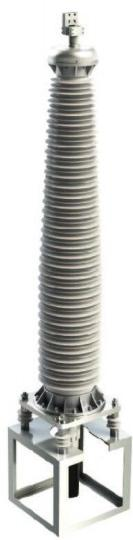
220kV Composite Outdoor Cable Terminal
Shenyang Guolian Cable Accessories Manufacture Co., Ltd.
Double-slide Triple-sealed Hot Air Isolation Door
Xi'an Yingchuan Electric Power Equipment Co., Ltd.
6kV-35kV Medium and High Voltage Direct-Connected Energy Storage System
Hainan Jinpan Smart Technology Co., Ltd.
MESS8201-2507/5015-BN Prefabricated Liquid-cooled Energy Storage Battery Container
Xuchang Xuji Electric Science Energy Storage Technology Co., Ltd.

Prefabricated Houses and Electrical Energy Boxes
Chengdu Ruilong Machinery Manufacturing Co., Ltd.