US Lumen Integrates Alkira to Build Programmable AI Network Platform
en.Wedoany.com Reported - US-based Lumen Technologies has completed the integration of Alkira, planning to connect Alkira's on-demand network platform with its own fiber network, programmable network systems, and partner ecosystem to build a unified connectivity platform for multi-cloud, data centers, edge nodes, and AI workloads. This project combines physical network infrastructure with software-based network orchestration capabilities, enabling enterprises to configure cross-regional connections, adjust network capacity, deploy security policies, and monitor data traffic through a centralized portal, reducing the management complexity of running multiple parallel network systems.
The focus of this integration is not simply adding a standalone cloud connectivity service, but rather opening up the complete chain of enterprise networks from physical lines to digital control platforms. Lumen owns a large-scale fiber network covering North America, while Alkira adopts a carrier-agnostic architecture that can connect different cloud platforms, enterprise sites, partner networks, and AI application environments. After combining the two systems, enterprises can establish connections between sites and clouds, clouds to clouds, data centers to clouds, and AI workloads on a unified platform, without having to enter different carrier and cloud service provider management interfaces for individual configuration.
With the expansion of AI applications, the way data flows across enterprise networks is changing. Traditional enterprise networks primarily handle fixed connections between office systems, websites, and data centers, while AI training, inference, and model invocation require continuous exchange of large amounts of data across multiple cloud regions, edge nodes, data centers, and business terminals. Data paths constantly shift based on task locations, computing resources, and business needs, making fixed lines and manual configurations unable to respond in a timely manner. The programmable network built by Lumen and Alkira can adjust connections and capacity based on application requirements, enabling AI workloads in different environments to access needed data and computing resources more quickly.
Security policies will also be integrated into a unified deployment system. When enterprises run systems across multiple cloud platforms and regions, they often need to set access permissions, traffic rules, and monitoring tools separately, leading to issues such as inconsistent configurations, insufficient visibility, or delayed policy updates. The integrated platform will bring network connectivity, access control, traffic monitoring, and operational status into a single management interface, allowing enterprises to apply more consistent security requirements across different clouds, sites, and partner connections, while reducing repetitive configuration and change operations by network personnel.
As integration progresses, Alkira technology is expected to be gradually incorporated into the Lumen Connect solution. This platform will integrate Lumen's existing multi-cloud gateways, cloud entrances, on-net connections, and off-net connections, providing users with a centralized digital management portal. Enterprises can select the cloud environments, sites, and partners they need to connect to on the platform, configure connection methods and service capabilities, and then deploy through the programmable network. The network construction process shifts from relying on manual coordination of lines, equipment, and service providers to platform-based configuration and automated orchestration.
Lumen Connect will also handle network operation monitoring and subsequent expansion tasks. When enterprises add new cloud regions, data centers, or AI applications, they can continue to add connection nodes and service capacity on the existing architecture without having to rebuild the entire network. For enterprises with operations distributed across multiple countries and regions, the carrier-agnostic architecture can establish a unified management approach across different underlying networks, keeping cross-regional traffic scheduling and network policies relatively consistent.
From an engineering structure perspective, this solution consists of Lumen's fiber backbone network, enterprise access lines, cloud entrances, multi-cloud gateways, the Alkira network orchestration platform, and security and monitoring systems. The fiber network handles cross-regional data transmission, cloud entrances and gateways connect different cloud platforms, the Alkira platform establishes connection relationships, allocates network resources, and adjusts traffic paths, while monitoring and security modules manage operational status, access permissions, and abnormal traffic. After coordination among all components, enterprises can integrate physical networks, cloud connections, and AI business into a unified operational system.
This development direction will also continue to advance Lumen's network-as-a-service roadmap. Network resources are no longer delivered entirely through fixed lines and long-term manual configurations, but are enabled, adjusted, and managed on demand through a digital platform. Enterprises can add connectivity capabilities based on AI inference, data migration, business expansion, or temporary project needs, and reconfigure resources as requirements change, enabling network infrastructure to adapt more quickly to changes in applications and computing environments.
Currently, the next phase of work for both parties will focus on system integration of Alkira technology with Lumen Connect, multi-cloud gateways, cloud entrances, and existing connectivity services. Subsequent practical progress will primarily be reflected in the launch of the unified management platform, deployment of cross-cloud connectivity functions, coordination of network and security policies, access for AI workloads, and inclusion of more enterprise sites into the programmable network.
Related Products
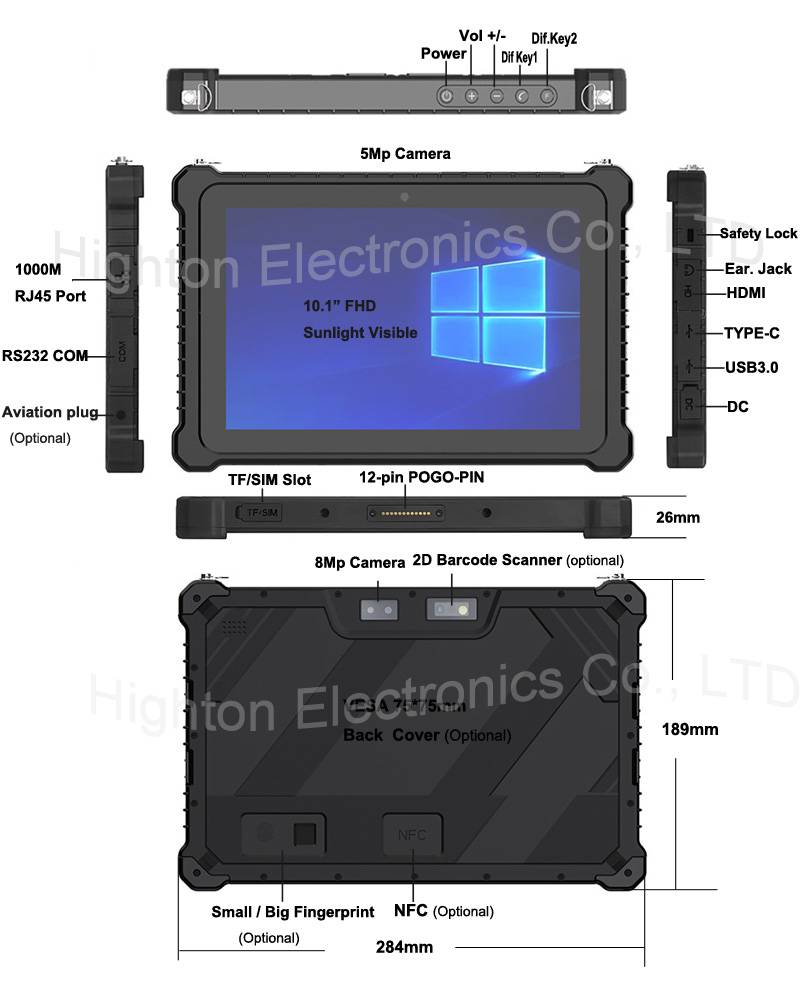

Hot Selling 10 Inch Intel N5100 I5 I7 FHD 8 +128GB 16+256GB Win10 Pro Win11 Pro 4G 5G Rugged Tablet PC Pad with NFC Barcode
Highton Electronics Co., Ltd.
Industrial and Commercial Point-Type Gas Detector
Jinan Benan Technology Development Co., Ltd.


GYTA Type Non-Self-Supporting Aerial/Duct Optical Cable
TONGDING INTERCONNECTION INFORMATION CO., LTD.

Multi-function Marine Monitoring Low-altitude Detection Radar Sea-air Boundary Ocean Dynamic Environment Measurement
Chengdu Dixin Technology Co., Ltd.
MUX Series Communication Interface Device for Security and Stability Control System
Nanjing NR Electric Co., Ltd.

TWP16 P-Band Tropospheric Wind Profile Radar
China Huayun Meteorological Technology Group Co., Ltd.