Nigeria's NCC Introduces Mobile Manufacturing Incentives to Attract Global Manufacturers to Build Factories
en.Wedoany.com Reported - The Nigerian Communications Commission (NCC) is rolling out local manufacturing incentives for global smartphone and communication terminal manufacturers, urging companies to commence factory construction by November 2026. It should be noted that the regulatory body's timeline requires "starting construction before November," not necessarily completing the entire factory by then. The NCC aims to lower the initial barriers for companies to establish production facilities for smartphones, tablets, routers, and MiFi devices in Nigeria through tax holidays, streamlined customs procedures, policy coordination, and presidential-level exemption support.
This initiative was proposed by the Chairman of the NCC Board, Idris Ibikunle Olorenimbe, during a roundtable meeting at the Digital Africa Summit in Shanghai, China. According to his public statements, as long as a manufacturer commits to building a factory in Nigeria and begins construction between now and November, the NCC will assist in liaising with government departments to secure the necessary exemptions, regulatory approvals, and policy support. Nigeria currently has over 170 million mobile connections and more than 150 million mobile internet users, but the price of smartphones remains a significant barrier preventing more residents from accessing online education, mobile payments, e-commerce, and digital government services. As communication network coverage continues to expand, the affordability of terminal devices is becoming a new bottleneck in the local digital access chain.
This is not Nigeria's first attempt to promote local mobile phone manufacturing. Previous assembly projects failed to achieve sustained production capacity due to issues such as unstable product quality, inadequate after-sales service, and low user acceptance, leaving the market dominated by imported terminals. The NCC now emphasizes that local production cannot rely on lowering quality standards to achieve low prices. The products introduced under this plan must match imported devices in terms of performance, security, network compatibility, and after-sales support, while reducing terminal costs through local production, supply chain organization, and large-scale manufacturing.
From a factory construction perspective, global manufacturers entering Nigeria will need to establish more than just phone casing assembly lines. A complete project typically involves motherboard assembly, full device testing, software flashing, RF and network compatibility checks, battery and charging system inspections, packaging and warehousing, and after-sales repair systems. It also requires supporting components import, customs clearance, logistics distribution, and technical personnel training. If local manufacturing remains limited to simple assembly, with core chips, displays, memory, and communication modules still imported, product prices will remain vulnerable to exchange rate fluctuations and international supply chain disruptions. Therefore, whether Nigeria can attract component suppliers, testing agencies, repair service providers, and logistics companies to enter simultaneously will directly impact the localization level and sustainable operation of new factories.
The NCC also plans to include locally produced smartphones, routers, and MiFi devices in digital inclusion projects, with some terminals pre-installed or capable of accessing zero-tariff educational platforms, resident registration, tax, and e-health public digital services. The regulatory body is simultaneously advancing device model approval and device management systems to identify counterfeit, cloned, stolen, or unauthorized communication terminals, preventing low-cost devices from undermining user trust again due to quality and security issues.
Currently, Nigeria has not yet announced confirmed international phone brands for factory construction, factory locations, construction scales, or planned production capacities. The specific application conditions for related incentives also require further clarification. Key milestones to watch include whether global manufacturers make formal investment and construction commitments before November, whether tax and customs measures can be translated into executable documents, and whether new production lines can cover quality testing, after-sales service, and local supply chains, rather than remaining at the short-term assembly stage once again.
Related Products


20 Inch 1600*900 Full HD 60Hz TFT LED Monitor with VGA and DP Interfaces for Desktop Computers-Business Use
Guangzhou Zanying Optoelectronics Technology Co., Ltd.
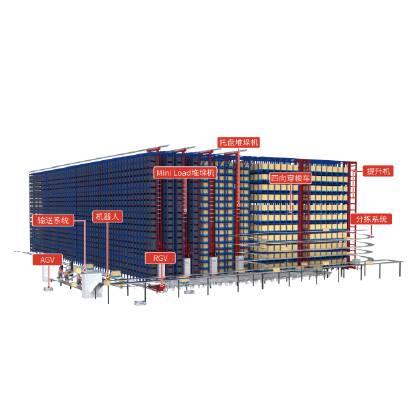
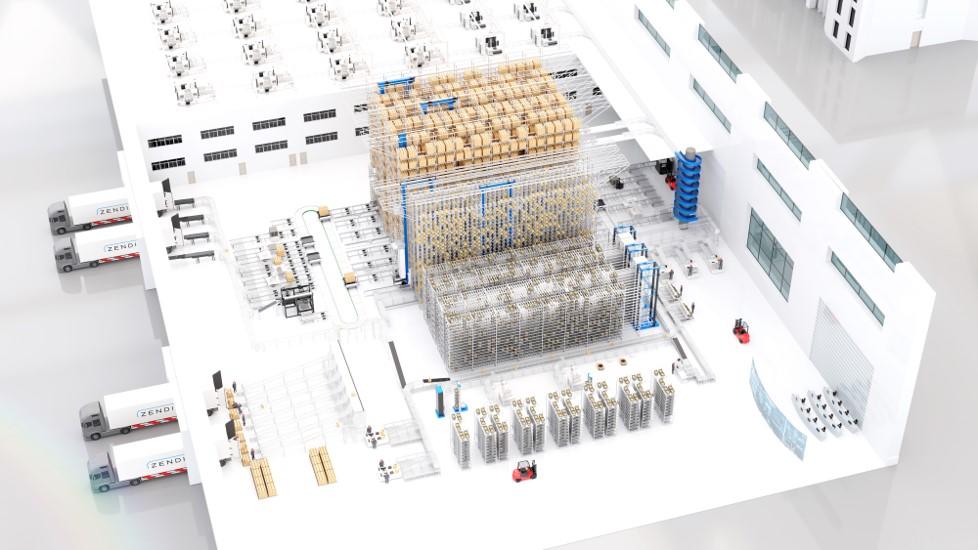
One-Stop Steward Service for the Entire Logistics System Integration Chain
Zhongding Intelligent (Wuxi) Technology Co., Ltd.

Flat Portable Satellite Terminal 0.35m Aperture Manual Portable Terminal
China Starwin Science & Technology Co., Ltd.

Hot Selling 10 Inch Intel N5100 I5 I7 FHD 8 +128GB 16+256GB Win10 Pro Win11 Pro 4G 5G Rugged Tablet PC Pad with NFC Barcode
Highton Electronics Co., Ltd.
MUX Series Communication Interface Device for Security and Stability Control System
Nanjing NR Electric Co., Ltd.
Industrial and Commercial Point-Type Gas Detector
Jinan Benan Technology Development Co., Ltd.