US Intel Invests €5 Billion to Expand AI Chip Factory in Ireland
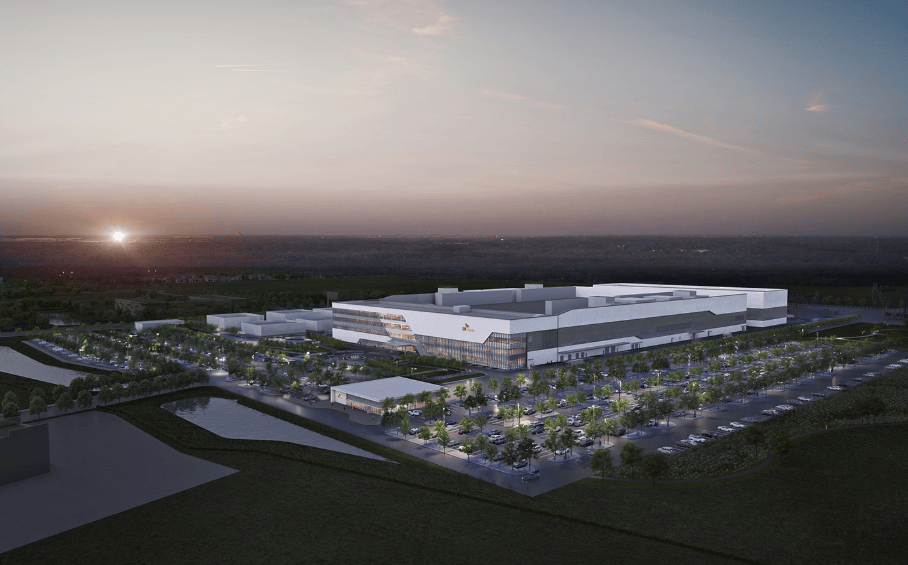
en.Wedoany.com Reported - On July 13, US-based Intel announced an additional €5 billion investment in its Leixlip campus in Ireland to upgrade existing semiconductor wafer manufacturing facilities and expand advanced chip production capacity. The project, which began earlier in 2026, primarily involves renovating existing wafer fabs, installing advanced manufacturing equipment, expanding automated production transport systems, and utilizing existing cleanroom space to increase output of Intel 3 process wafers. Most of the construction investment is planned to be completed by the end of 2027.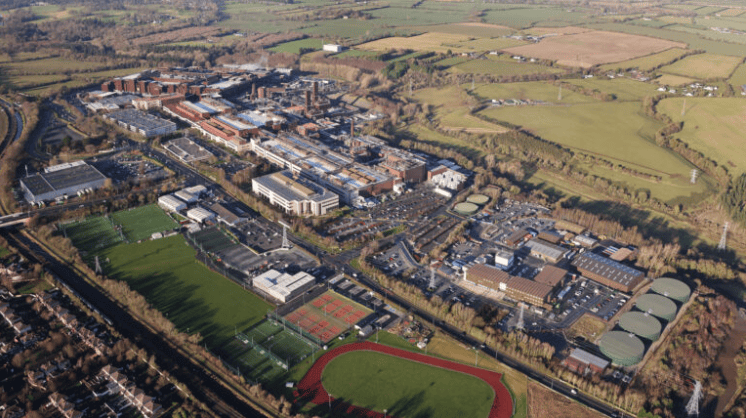
This project does not involve building a new standalone wafer fab but rather advancing equipment upgrades, production line connections, and capacity enhancements within the existing semiconductor manufacturing base in Leixlip. Intel plans to further connect previously dispersed production modules on the campus by expanding the automated rail system, enabling rapid transport of wafers and production materials between different manufacturing areas to create a more unified production environment. For advanced chip factories, the automated transport system directly links process steps such as lithography, etching, thin-film deposition, and inspection; its operational efficiency affects the flow speed of wafers between different equipment and the overall production cadence of the entire line.
The newly installed manufacturing equipment will be used to expand capacity for the Intel 3 process node, primarily supporting the production of Intel Xeon 6 and next-generation Xeon server processors. Server processors are core components in data centers, artificial intelligence computing platforms, and high-performance computing systems. As demand for AI model training, inference, and cloud computing services grows, the need for related chips is expanding. Intel stated that the growth in demand for AI and high-performance computing is driving greater market demand for Intel 3 wafers and advanced server processors.
Expanding wafer manufacturing capacity cannot rely solely on adding individual equipment. Advanced semiconductor production lines require simultaneous handling of equipment installation, cleanroom renovation, process interface connections, automated logistics, production control systems, and quality inspection. After new equipment enters the factory, steps such as facility condition verification, equipment debugging, process validation, and capacity ramp-up must be completed before stable mass production can begin. Intel explicitly stated in its official announcement that this project will utilize existing cleanroom capacity and enhance the actual output of current wafer fabs through construction and equipment installation, indicating that the focus has shifted from early-stage factory expansion to equipment-intensive upgrades and production system integration.
The Leixlip campus is Intel's key manufacturing base in Europe, currently equipped with Intel 3 silicon wafer production capabilities. This expansion will also strengthen the connection between this manufacturing facility and other factories on the campus, enabling tighter coordination of wafer production, subsequent processes, and R&D activities within the same base. In addition to volume production facilities, the project will expand R&D activities, providing engineering validation conditions for manufacturing process optimization, product introduction, and next-generation server processor production.
Since entering Ireland in 1989, Intel has invested over €30 billion cumulatively in the region. Between 2019 and 2023, the company implemented a significant wafer manufacturing expansion in Leixlip, boosting Ireland's production capacity. This €5 billion project will continue to increase output based on existing manufacturing infrastructure, reducing the construction cycle required for building a complete new fab site, and more quickly converting existing factories, cleanrooms, and utilities into additional chip manufacturing capacity.
Currently, the project has entered the construction and advanced equipment installation phase. Subsequent key milestones include expansion of the automated rail system, connection of different production modules, manufacturing equipment debugging, Intel 3 process capacity ramp-up, and volume production increases for Xeon 6 and next-generation Xeon processors. Specific details on additional wafer capacity, equipment quantities, and production timelines for each phase have not been disclosed, but most of the project is planned for completion by the end of 2027.
Related Products
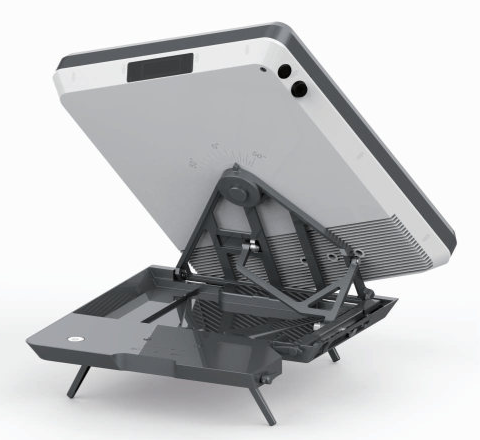

Flat Portable Satellite Terminal 0.35m Aperture Manual Portable Terminal
China Starwin Science & Technology Co., Ltd.
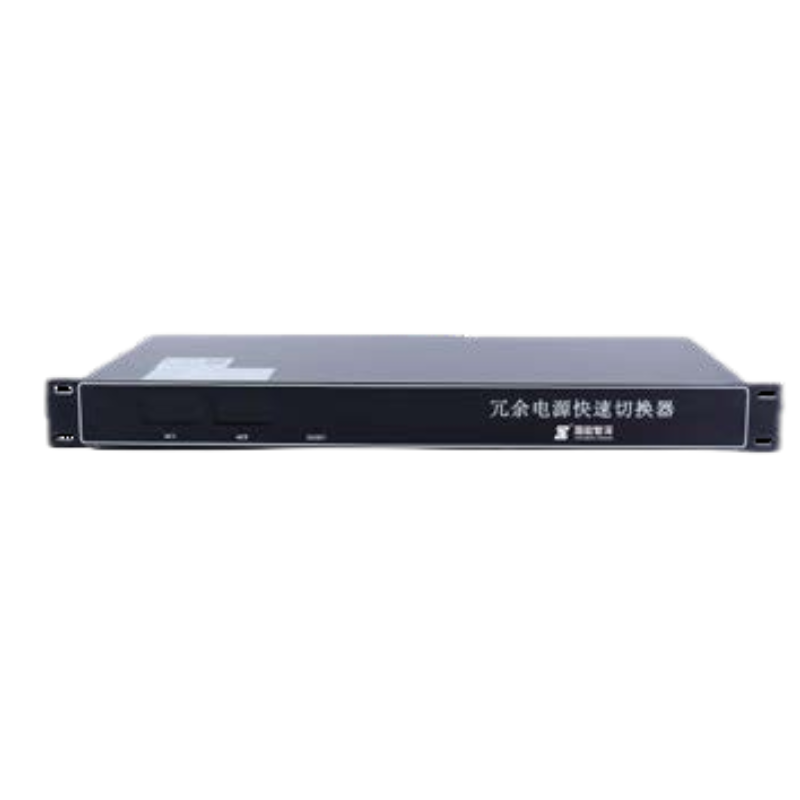

MUX Series Communication Interface Device for Security and Stability Control System
Nanjing NR Electric Co., Ltd.


Automatic Aiming Laser Remote Obstacle Removal Robot
Pinggao Group Weihai High-Voltage Apparatus Co., Ltd.

G.652.D Wavelength-extended Non-dispersion Shifted Single-mode Optical Fiber
HONGAN GROUP CO., LTD.