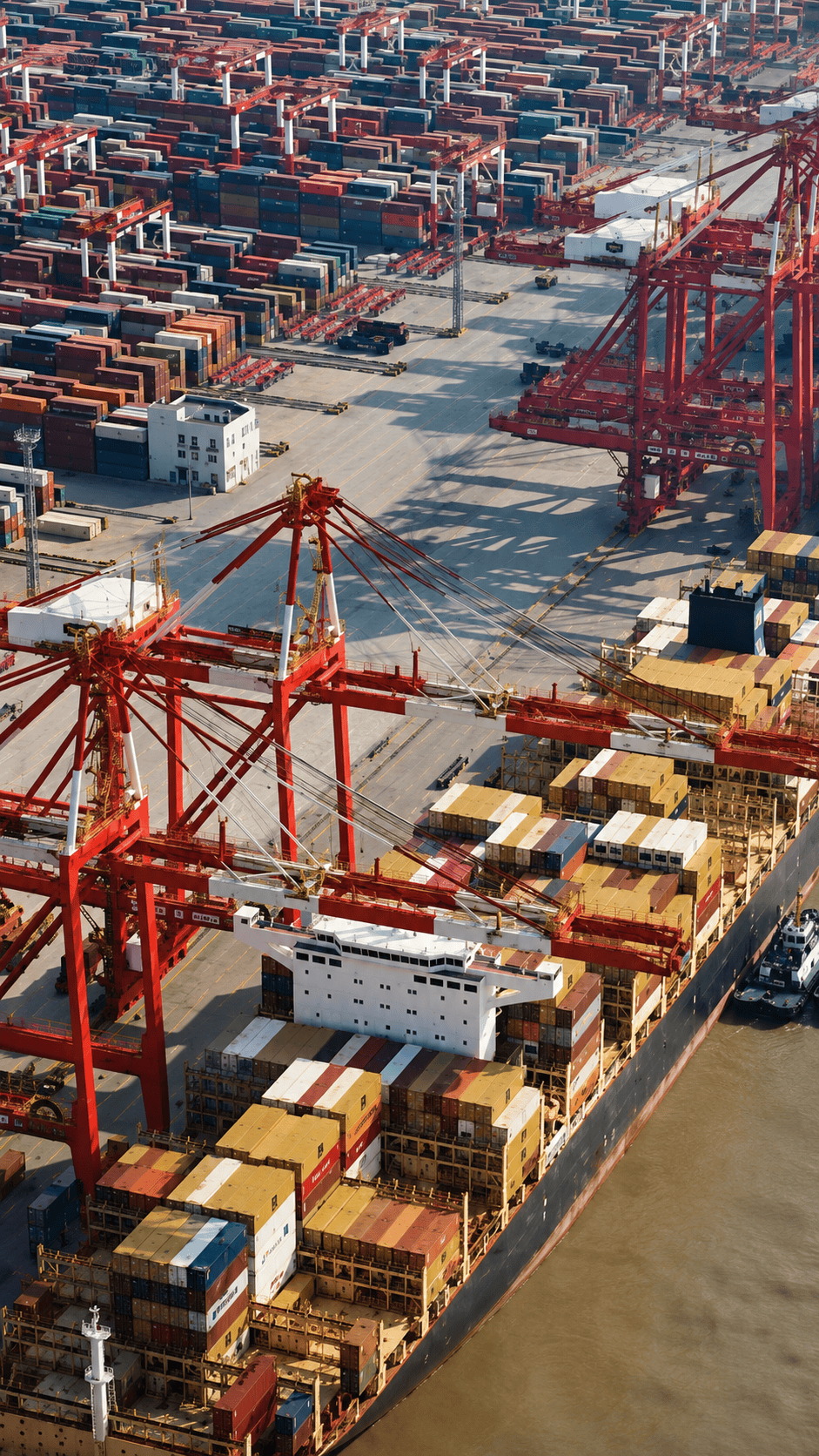
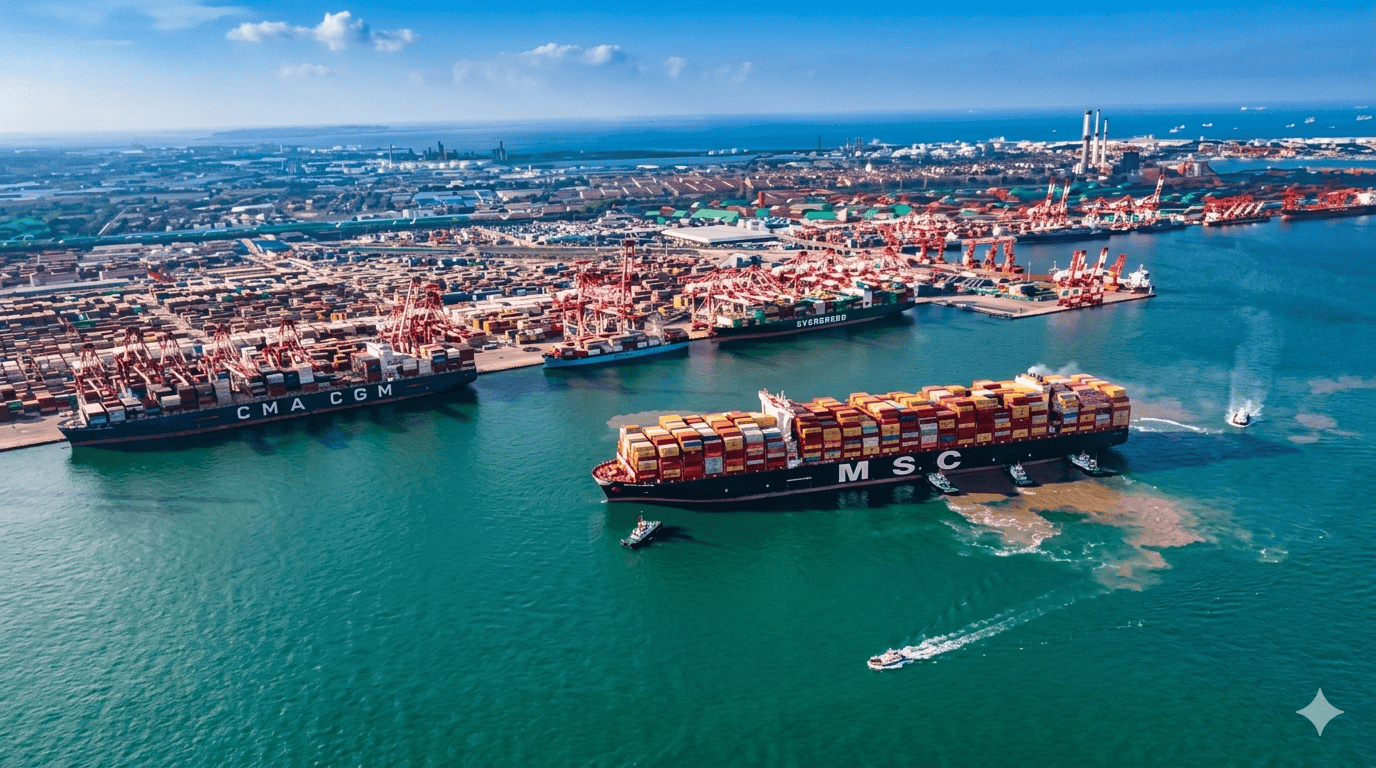
en.Wedoany.com Reported - On July 13, the Port of Santos completed Brazil's first ethanol bunkering operation for an ocean-going container ship. The operation was carried out in collaboration between Copersucar, CMA CGM, Bunker One, Santos Brasil, and AGEO Terminais, aiming to test the potential of biofuels in shipping decarbonization.
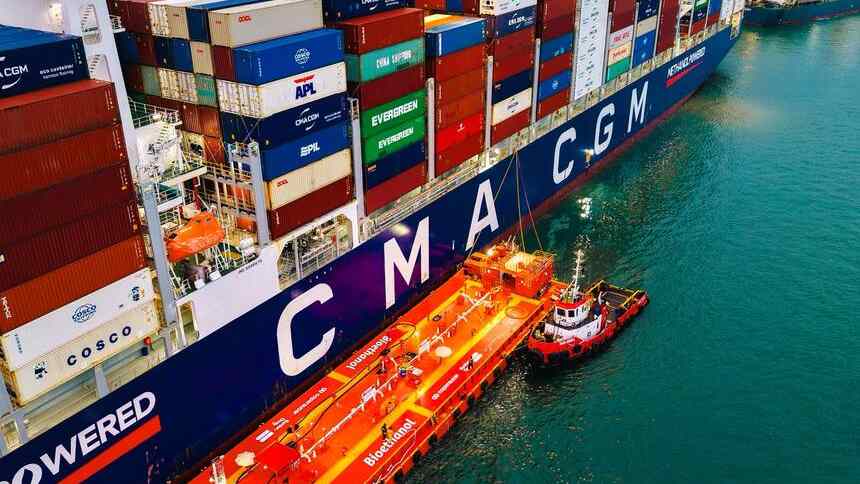
A total of approximately 500 tons (about 635,000 liters) of sugarcane ethanol produced by Copersucar was bunkered onto the vessel CMA CGM Iron. The ship is equipped with a tri-fuel engine certified to use conventional marine fuel, methanol, and ethanol. After leaving Santos and making a brief stop in Paranaguá, the vessel will sail to the Port of Colombo in Sri Lanka, using Brazilian biofuel for part of the voyage.
The companies involved in the operation regard it as a milestone for the shipping industry and the first step toward incorporating ethanol into the sector's energy mix. The international shipping industry is currently under pressure to meet global emission reduction targets.
Tomás Manzano, CEO of Copersucar, stated that this is not just about witnessing a ship being refueled, but about opening a new commercial agenda for low-carbon shipping, demonstrating that the energy transition is underway.
Manzano noted that Brazilian ethanol offers advantages such as large-scale production, a mature industrial chain, low carbon intensity, and economic competitiveness—characteristics that other decarbonization alternatives struggle to combine.
This operation also marks CMA CGM's entry into a new business area. The group has held a controlling stake in Santos Brasil since last year and plans to expand the use of alternative fuels in its fleet. Currently, around 150 of its vessels can use low-carbon fuels such as methanol and ethanol, with plans to increase this number to over 200 by 2031.
Although the management of the participating companies emphasized the symbolic significance of the operation, the event itself also indicates that it is primarily a technical demonstration rather than the immediate formation of a new market for Brazilian ethanol.
The bunkering operation in Santos was experimental and required a series of specific approvals for fuel transport at the port. Manzano stated that the goal now is to turn this experience into a replicable model.
"We need to expand and develop infrastructure, create green bunkering corridors to ensure fuel supply for ships, and advance the regulatory environment. As a pioneering project, we obtained temporary authorization. Now we are beginning discussions on standardization to replicate the operation," Manzano said.
The companies also acknowledge that this development will be gradual. Manzano mentioned that if ethanol were to replace 10% of global marine fuel consumption, it would generate a potential demand of nearly 50 billion liters per year. Currently, Brazil's annual production is around 37 billion liters, with high domestic land-based demand, and the growth of biofuel's share in gasoline remains a long-term goal.
Manzano stated that this situation will depend on the renewal of the global fleet, as new ships entering service will be capable of using this fuel.
Currently, the number of vessels capable of using ethanol remains limited. According to Bunker One, there are approximately 70 ships worldwide that can use methanol (and therefore ethanol), with another 400 ships under construction or on order, to be delivered in the coming years.
The actual ethanol consumption of these vessels has yet to be determined. Neusa Marcelino, CEO of CMA CGM Brazil, mentioned that only after this maiden voyage will it be possible to assess fuel performance, operational efficiency, and engine behavior.
The economic equation remains a challenge for the large-scale use of ethanol in shipping. Manzano explained that to provide the same energy as fossil marine fuel, approximately 1.6 tons of ethanol is needed per ton of equivalent conventional fuel, increasing consumption and onboard storage requirements.
"In price comparisons, ethanol is currently the most economically competitive among all decarbonization alternatives. It is still more expensive than fossil marine fuel, but the price will decrease as scale increases," he said.
The difference lies in carbon. According to his estimates, ethanol can reduce emissions by about 70% compared to conventional marine fuel, an environmental benefit that holds economic value in markets with carbon pricing. Carbon credits will become a financial factor balancing the economic equation, assuming approximately $100 per credit.
However, challenges exist in international regulation. Although Brazilian ethanol has been recognized by the International Maritime Organization (IMO) as a low-carbon intensity alternative suitable for this purpose, different markets still use their own standards to account for emissions.
In the European Union, the FuelEU Maritime regulation favors fuels produced from waste and advanced feedstocks. Against the backdrop of the "food vs. fuel" debate, conventional first-generation ethanol (from sugarcane or corn) still faces restrictions when being incorporated into European decarbonization targets, depending on certification and vessel routes. In the region, the main sustainable alternative for ship bunkering is biodiesel made from used cooking oil (UCO).
While the IMO primarily considers the full lifecycle carbon intensity of fuels, the EU also considers feedstock origin, thus limiting the use of biofuels produced from food crops.
Based on this criterion, Brazilian corn ethanol has taken the lead. In April this year, the IMO recognized fuel produced from off-season corn as a suitable alternative for shipping, considering its production as a second crop that does not require opening new agricultural land. Manzano stated that sugarcane ethanol is undergoing a similar process and is expected to receive this recognition in the coming months.