Jaguar Land Rover Integrates 49 Sustainable Components, Reducing Production Carbon Emissions by Over 1 Ton
en.Wedoany.com Reported - Jaguar Land Rover (JLR) has integrated 49 sustainable upgrade components from 30 suppliers, weighing a total of 140 kg, into a Range Rover demonstrator vehicle through its new "Project Cornerstone." This initiative aims to reduce the environmental impact of vehicle production while ensuring component quality remains unaffected.
Reuben Chorley, JLR's Director of Sustainable Industrial Operations, explained that the project was launched over a year ago with the core concept of collaborating with suppliers of components with the largest carbon footprint, such as steel, aluminum, and lightweight alloy wheels, challenging them to produce the most sustainable products currently available and achieve scalable application. Compared to traditional manufacturing methods, the demonstrator vehicle saves over one ton of CO2 equivalent emissions during production. The carbon emissions from manufacturing a typical internal combustion engine vehicle are approximately 5.5 to 8 tons of CO2 equivalent, while for an electric vehicle, it ranges from 8 to 12 tons.
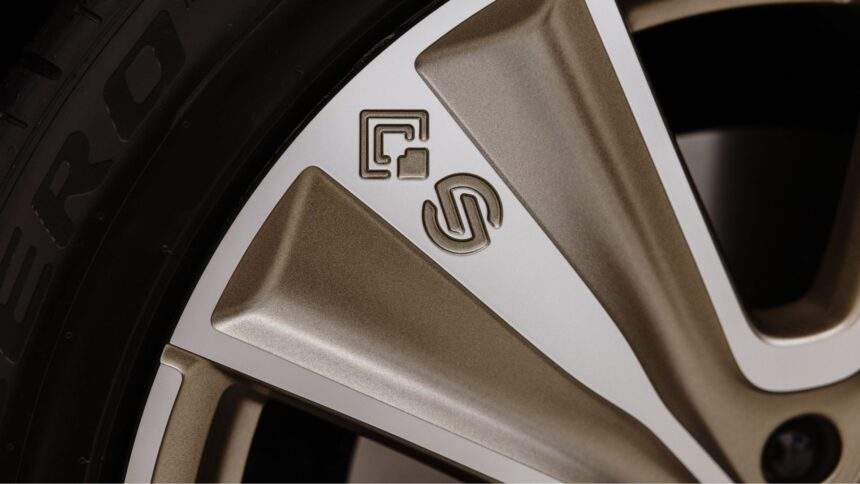
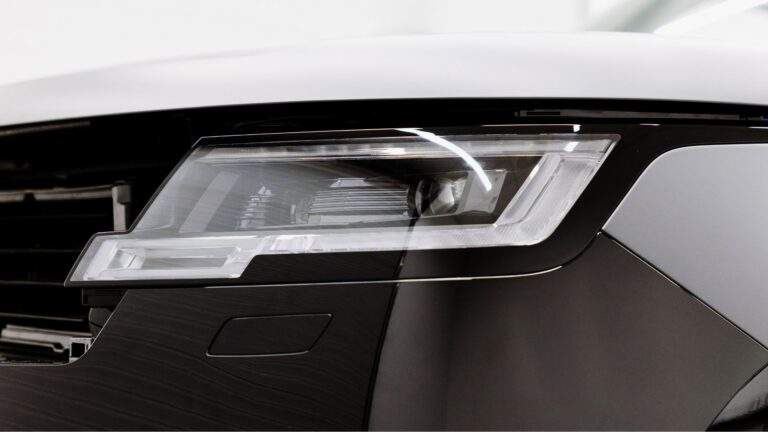
The largest carbon reduction contribution in the project comes from the lightweight alloy wheels, which have a very high recycled content and are produced entirely using renewable energy. Additionally, the headlights are manufactured using recycled materials, including tire materials and recycled seat foam; Pilkington produces side window glass using 100% recycled automotive glass (sourced from replaced windshields), reducing related CO2 emissions by 36%. The speaker magnets also use 95% recycled materials. JLR emphasizes that these recycled components are indistinguishable from new parts in both appearance and functionality.
In addition to environmental benefits, the project also aims to enhance supply chain resilience. Against the backdrop of frequent supply chain disruptions caused by the global geopolitical environment and the monopolization of key materials by specific countries, local recycled alternatives provide a safety net. JLR stated that by introducing end-of-life vehicle materials into the new vehicle supply chain in a closed-loop manner, it can alleviate shortages of specific materials and comply with regulatory requirements for minimum recycled content in various countries.
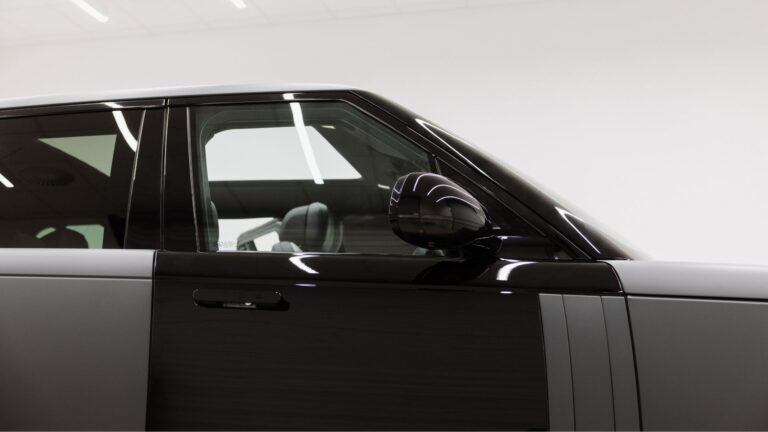
Currently, 100% recycled door glass has passed testing and validation and will be used in future models. Other projects, such as seat foam, are also progressing and will be implemented based on vehicle launch timelines. JLR plans to expand its collaboration from the current 30 suppliers to an additional 150 to explore more possibilities. Chorley stated that the project's motto is "Making Things Happen," and it is using real components and industrial concept validation to define what can be achieved.
Related Products
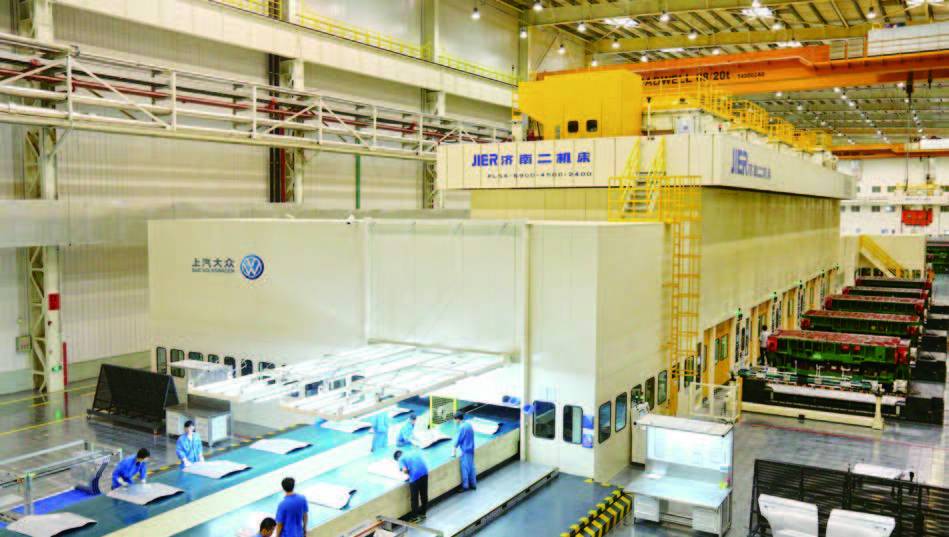

High-Speed Flexible Fully Automatic Stamping Production Line
JIER Machine-Tool Group Co., Ltd.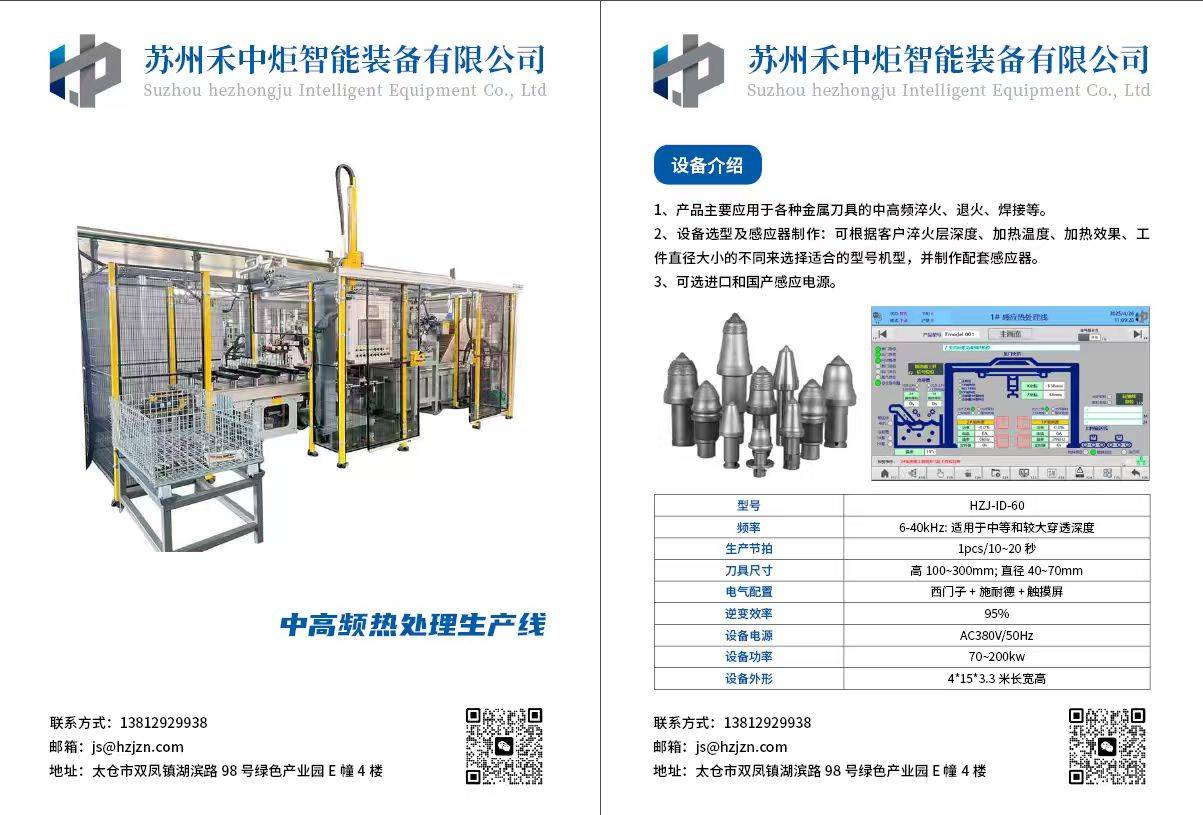
Excavator Bucket Teeth Heat Treatment Production Line
Suzhou Hezhongju Intelligent Equipment Co., Ltd.
Standard Nozzle Flowmeter
Jinggong Automatic Control Instrument Complete Technology Development Company
LBH4000 Batch Environmental Protection Asphalt Mixing Plant | Asphalt Batching Plant | Asphalt Mixing Plant
Jilin Province Road Construction Machinery Co., Ltd.

Industrial and Commercial Point-Type Gas Detector
Jinan Benan Technology Development Co., Ltd.
Strip Coating and Plating Production Line Equipment
MCC-SFRE HEAVY INDUSTRY EQUIPMENT CO., LTD.

CAP1400 main feedwater flow nozzle flowmeter.
Jiangsu Hongda Instrument Technology Co., LTD.