en.Wedoany.com Reported - Researchers at Lawrence Livermore National Laboratory have developed a Kubernetes scheduler plugin called Fluence to reduce the cost of hybrid quantum-classical computing workflows. By intelligently selecting the cheapest or shortest-queue quantum devices on platforms such as AWS Braket, Fluence reduces the average cost per run by approximately 70 times and shortens result turnaround time from hours to under a minute.
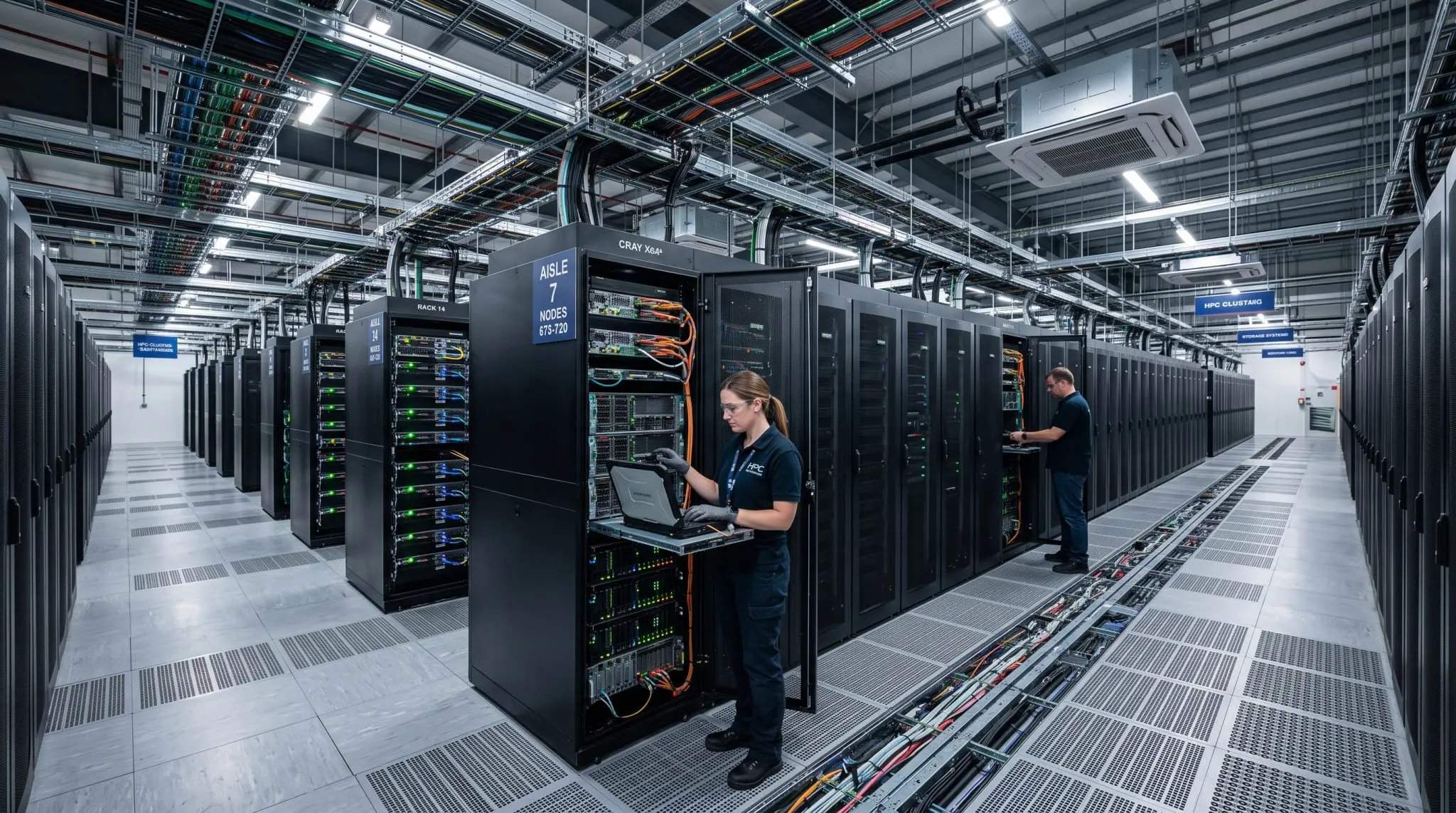
The core challenge Fluence addresses is the "dual-queue problem" in hybrid quantum-classical workflows, which requires coordinating tasks between traditional cluster queues and external queues of remote quantum processing units (QPUs), resulting in significant synchronization delays and resource waste. Led by Vanessa Sochat and Daniel Milroy, the team developed a synchronization primitive that reduces worker idle time by approximately 5 times under short device queues; when device queues extend to several hours, idle time is reduced by several orders of magnitude.
Fluence is built on the Fluxion graph scheduler, and its atomic group placement feature virtually eliminates node time waste caused by partial placement groups, ensuring that classical computing resources do not sit idle while waiting for quantum tasks to complete. Fluence adds quantum-aware capabilities to cloud-native schedulers without modifying user containers, thereby simplifying the integration of quantum resources into existing high-performance computing (HPC) environments.
The research team notes that whether quantum devices are local, remote, or institutionally owned does not affect Fluence's adaptability, but owned devices are generally easier to control due to higher scheduling transparency. This achievement provides a practical solution for optimizing the efficiency and accessibility of hybrid quantum-classical workflows, advancing the effective integration of quantum processing units into existing computing infrastructure.