Argentina Launches Technical Survey for Puerto Deseado-Las Heras Railway Branch
en.Wedoany.com Reported - The government of Santa Cruz Province, in collaboration with Trenes Argentinos, has launched a technical survey to assess the condition of infrastructure on the Puerto Deseado-Las Heras railway branch, aiming to advance the corridor's restoration plan.
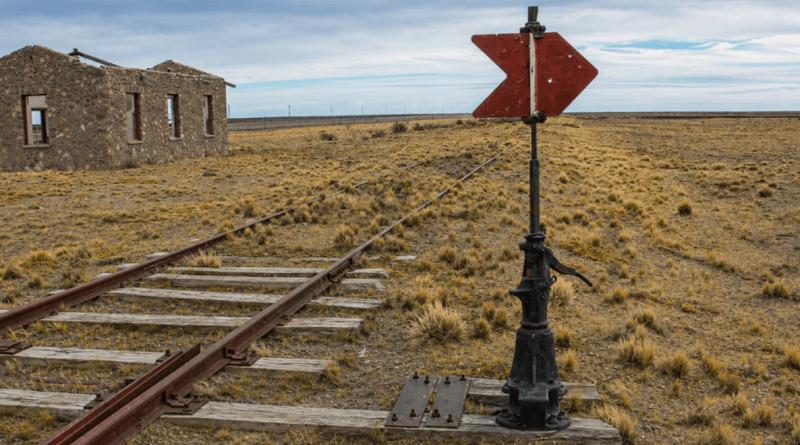
This inspection is part of the continuation of the Jaramillo-Fitz Roy section value enhancement project, which represents the first phase of a broader initiative to restore the 286-kilometer railway line. The technical team examined multiple sections of the line, analyzing the condition of rails, sleepers, roadbed, railway yards, stations, and switch equipment, while also collecting samples and geolocating priority construction points.
The survey team was led by Andrés Casanova, Deputy Secretary of Transportation of Santa Cruz Province, and included provincial legislator Santiago Abelastein, along with a delegation from Trenes Argentinos (Belgrano Cargas y Logística S.A.). The delegation comprised Industrial Manager Mauro Iacovone, Deputy Infrastructure Manager Gustavo Santiago, Operations Manager Daniel Sentir, and Development Director Juan Manuel Roel.
Casanova stated that these efforts represent "concrete results" in advancing the project. The technical diagnosis will help prepare an economic feasibility study and determine the investment required to restore the railway corridor. The collected information, including a photo catalog of the site and physical samples, will be analyzed jointly with specialized consulting firms to identify the infrastructure works needed for the branch's restoration.
The Puerto Deseado-Las Heras railway was inaugurated on September 20, 1909, as part of a project to promote Patagonia's development through a railway network. Spanning 286 kilometers with 14 stations and using broad gauge, it was once the southernmost regular passenger railway line in the world. For decades, it transported wool, livestock, minerals, and passengers, fostering the growth of towns such as Pico Truncado, Fitz Roy, Jaramillo, Koluel Kayke, and Las Heras. The service was discontinued on January 15, 1978, and subsequent attempts to restore it have been unsuccessful.
Related Products



CLW5180TXSD6 Dongfeng Tianjin Washing and Sweeping Truck
ChengLi Special Automobile Co., Ltd.
GSR6-27.5kV SF6 Free Gas-insulated Metal-enclosed Switchgear
Zhejiang Juhonkia Intelligent Electric Co., Ltd.![IVECO Cash-in-Transit [DMT5048XYCL3-AM] - Chongqing Dima Industry Co., Ltd](https://img.wedoany.com/2026/0911/20260911030157582.png)
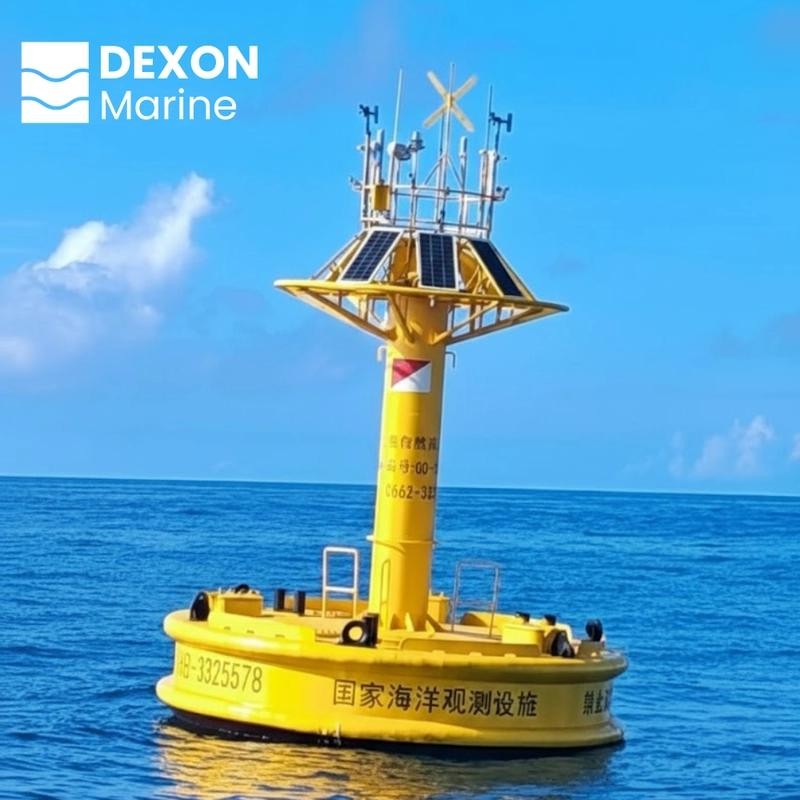
3m intelligent buoy combining navigation safety and real-time marine monitoring integrated navigation and marine monitoring system for real-time maritime data
Chengdu Dixin Technology Co., Ltd.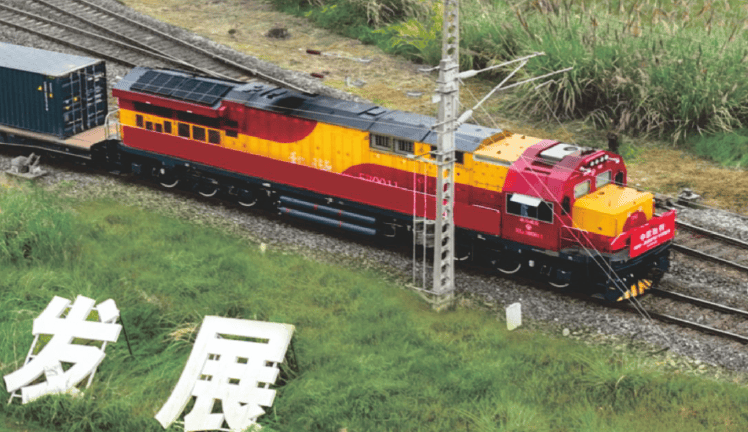
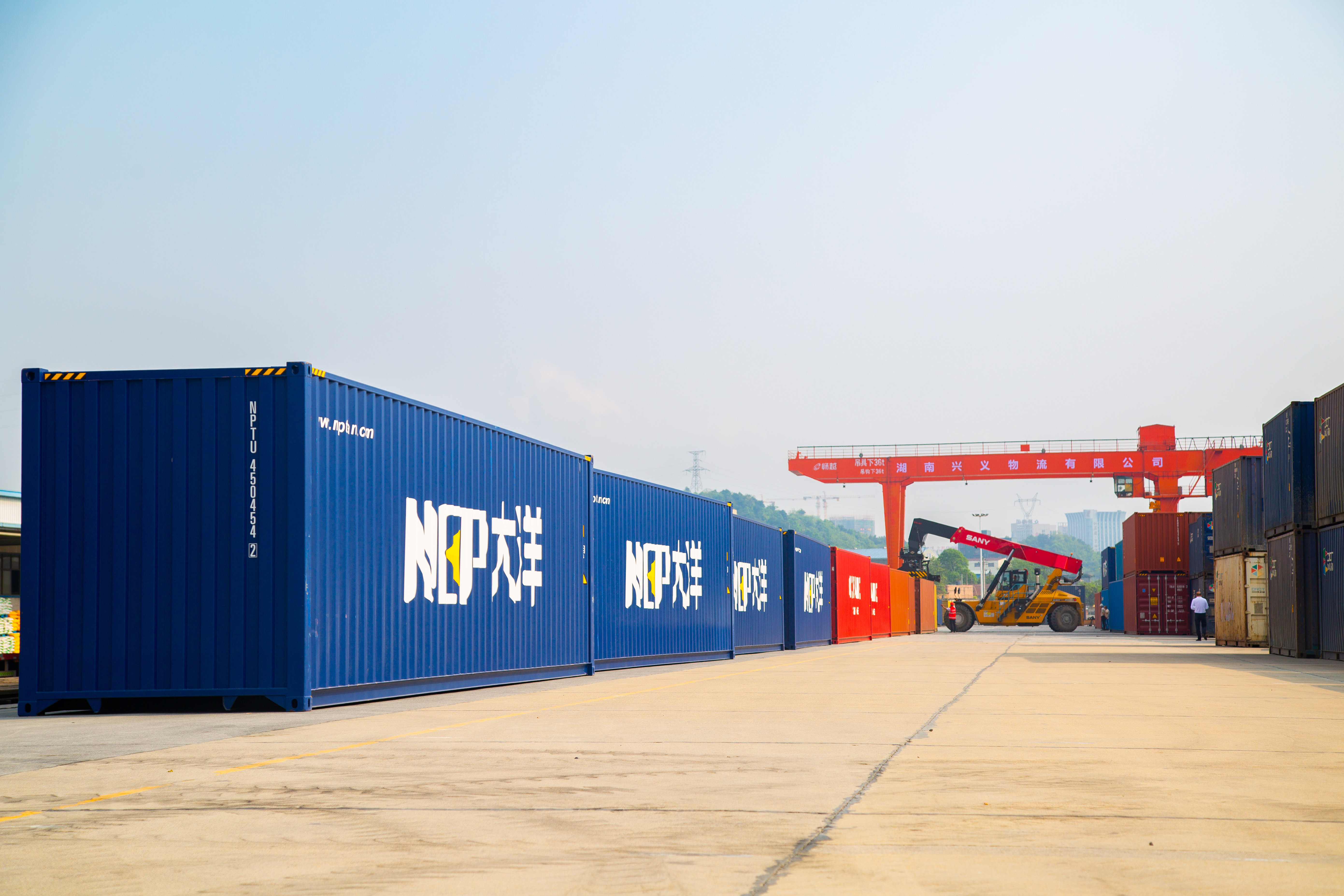
China - Alashankou/Khorgos - Europe Full Range Transportation (Mala/Hamburg/Duisburg/Budapest, etc.)
Shenzhen Neptune Logistics Co., Ltd.