Australia's Hypersonix and University of Queensland Jointly Develop Hypersonic Heat-Resistant Composite Materials
en.Wedoany.com Reported - Australia's Hypersonix Launch Systems, in collaboration with the University of Queensland, has developed high-temperature ceramic matrix composites and related manufacturing processes capable of withstanding the extreme conditions of hypersonic flight. This Australian manufacturing partnership, supported by the Australian Composite Manufacturing Cooperative Research Centre (ACM CRC) for a two-year period, focuses on improving ceramic matrix composites (CMCs), manufacturing methods for production components, and aircraft design considerations for the varying thermal loads experienced during flight at speeds exceeding five times the speed of sound.
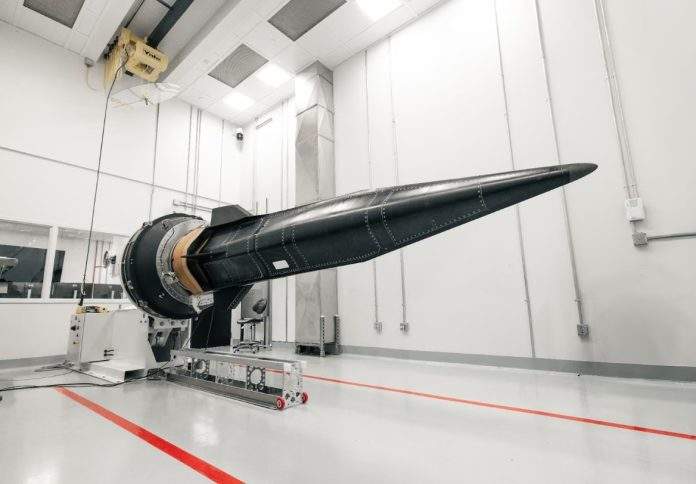
Announced in 2023, the project follows Hypersonix securing a contract under the U.S. Department of Defense's Hypersonic and High-Cadence Airborne Testing (HYCAT) program. Luke Preston, CEO of ACM CRC, stated that the project demonstrates the potential of Australian manufacturing and research collaboration. Preston expressed pride in supporting this two-year project early in the CRC's term, noting that it has developed important and valuable technologies serving the goals of a highly ambitious Australian company, with commercial potential in the space, energy, and defense sectors. Preston also highlighted Hypersonix's $46 million Series A funding round announced in October last year, reflecting investor confidence in the company.
The project leverages the expertise of the University of Queensland's Centre for Advanced Materials Processing and Manufacturing (AMPAM) to address the challenge of producing components capable of operating in temperatures ranging from 1000 to 3000 degrees Celsius. Sam Grieve, Hypersonix's Manufacturing Director, stated that Australia is still developing its ceramic matrix composite manufacturing capabilities, with current production capacity for such CMC components remaining at the laboratory level and lacking large-scale CMC production facilities. While Europe, particularly Germany, has a more established CMC industry, facilities developed by Dr. Michael Heitzmann at the University of Queensland are helping Australia build its own capabilities.
These materials were tested during the maiden flight of Hypersonix's DART AE vehicle. Launched on February 27 from Wallops Island, Virginia, aboard Rocket Lab's HASTE launch vehicle, the vehicle achieved speeds exceeding Mach 5. According to ACM CRC, the autonomous vehicle collected flight data under hypersonic conditions to evaluate its propulsion system, materials, and control systems. Dr. Michael Heitzmann, who served as the CRC project lead, stated that this work bridges a capability gap in Australia's high-temperature materials sector. Heitzmann noted that these materials remain functional at temperatures where most metals begin to soften or become too heavy, covering a range from 1000 to 3000 degrees Celsius. He added that sustained investment over more than seven years, along with collaboration with the Defence Science and Technology Group (DSTG) and other partners, has helped establish a leading cluster of expertise in high-temperature materials and manufacturing in Australia.
Related Products

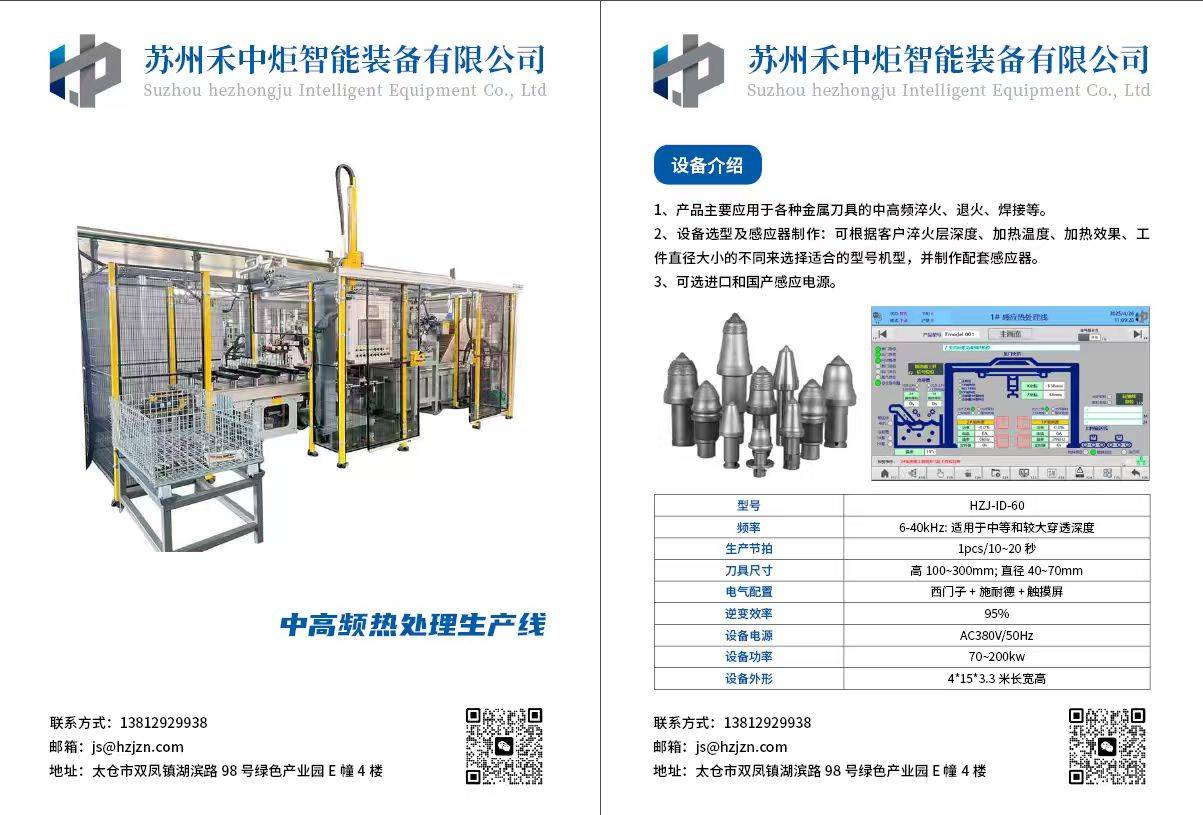
Excavator Bucket Teeth Heat Treatment Production Line
Suzhou Hezhongju Intelligent Equipment Co., Ltd.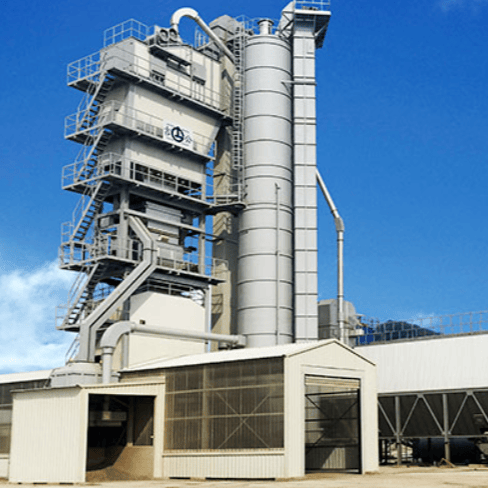
LBH4000 Batch Environmental Protection Asphalt Mixing Plant | Asphalt Batching Plant | Asphalt Mixing Plant
Jilin Province Road Construction Machinery Co., Ltd.

Pneumatic high-pressure wear-resistant ball valve
Zhejiang Deca Control Valve Meter Co., Ltd.
Standard Nozzle Flowmeter
Jinggong Automatic Control Instrument Complete Technology Development Company
QLZNGJ Intelligent Steel Reinforcement Trolley
Luoyang China Railway Qiangli Machinery Co., Ltd.
High-Speed Flexible Fully Automatic Stamping Production Line
JIER Machine-Tool Group Co., Ltd.