Global pure electric vehicle sales reached 9.6 million units in the first half of 2026
en.Wedoany.com Reported - In June 2026, global pure electric vehicle sales reached 2 million units, bringing the year-to-date total to 9.6 million units, demonstrating steady growth in EV adoption rates.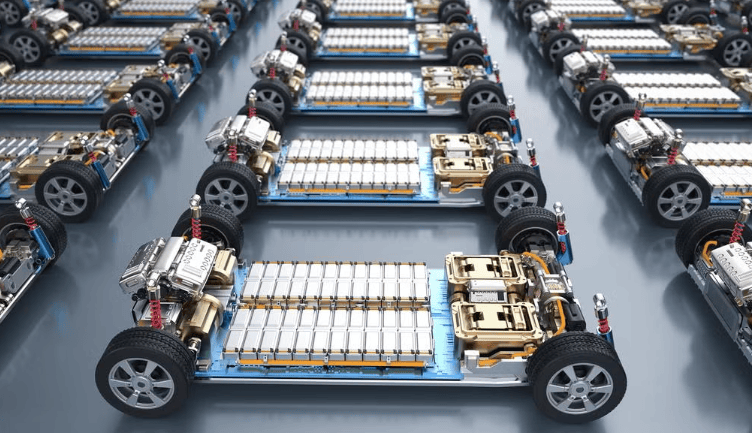
According to data from Rhomotion, a division of Benchmark Mineral Intelligence, the European market emerged as a key growth engine, with pure electric vehicle sales increasing 27% year-on-year, driven by subsidy policies, emissions regulations, and the launch of affordable new models. Although the Australian market is relatively small, it also showed notable performance, with pure electric vehicles' share of new car sales jumping from 8.4% in January to 23.4% in June. When including plug-in hybrid electric vehicles, this figure rose to 36% of total new car sales. The Tesla Model Y is currently the most popular vehicle in Australia, with sales performance comparable to the iconic Holden Commodore of the 1990s. Chinese electric vehicle manufacturers are catching up to their American competitors, with three of their models ranking among the top ten most popular vehicles. Sales of traditional internal combustion engine vehicles are expected to fall below 50% of the market share by 2029, and further below 40% by 2030.
The growth in EV adoption, along with increased uptake of battery energy storage systems (BESS) in household and grid applications, is driving significant growth in lithium demand. Aaron Revelle, Managing Director of lithium developer Pursuit Minerals (ASX:PUR), stated that the actual growth rate of BESS is even higher than that of EVs, with 25% growth in 2024 and 50% in 2025. Data centers and artificial intelligence infrastructure are creating additional electricity demand, thereby driving investment in renewable energy generation and battery storage. Global lithium demand reached approximately 1.6 million tonnes of lithium carbonate equivalent (LCE) in 2025 and is expected to double by 2030.
Although high demand will drive the development of new supply sources, Revelle noted that lithium is a complex resource and difficult to bring into large-scale production. He mentioned that Greenbushes in Western Australia is a geological "unicorn," and no other deposit with a run-of-mine grade of 3% Li2O has been discovered in Australia. New supply needs to address different sources such as brines, hard rock (pegmatite), and lepidolite, as well as processing technologies like direct lithium extraction (DLE). Most large-scale projects take 5 to 10 years to successfully come online and reach full production, making it very difficult for the market to meet the massive demand surge over the next three to four years, which will lead to supply tightness and price increases.
Major companies have identified this trend. Revelle pointed out that five years ago, Rio Tinto (ASX:RIO) had no operational footprint in Argentina, but now controls three of the country's more significant operating projects and has invested billions of dollars. A price floor supporting high-cost operations is also forming, with some high-cost hard rock lepidolite operations requiring prices of $18,000 to $20,000 per tonne to break even. Revelle believes that in the long term, the multi-year weighted average price of lithium may stabilize around $30,000 per tonne, but prices are volatile and have the potential to spike.
Against this backdrop, Revelle believes Pursuit Minerals' Rio Grande Sur project holds an advantage. This project is a lithium brine project, planned to commence production in 2030-31, coinciding with market demand reaching approximately 3 million tonnes of LCE. A pre-feasibility study (PFS) outlines a 25-year operating life, with mine-life revenue of $3.25 billion under a base-case pricing scenario. Net present value (NPV) and internal rate of return (IRR) are estimated at $364 million and 22.4%, respectively, with capital expenditure of $136.5 million. Located in Argentina's renowned Lithium Triangle, the project currently has a resource of 1.26 million tonnes of LCE with a lithium grade of 424 mg/L. The company is advancing the construction of a first-stage plant with an annual capacity of 5,000 tonnes of lithium carbonate. Following the completion of the PFS, the company is drilling the Mito tenement to unlock the next phase of growth. The drill rig will then move to the recently acquired Demasía Rio Grande I tenement to test the inferred continuation of the same conductive system. The company is also considering relocating the pilot plant to the site and securing approval for the first initial operating permit from the Salta provincial government by the end of this year.
On the Australian Securities Exchange (ASX), several lithium junior companies are advancing their respective projects. Anson Resources (ASX:ASN) operates the Green River and Paradox lithium brine projects in Utah, with a scoping study outlining a 20-year mine life, initial capital expenditure of $568 million for a 10,000 tonnes per annum project, and a base-case pre-tax NPV estimated at approximately $1.373 billion. Green River has JORC resources of 773,000 tonnes of LCE, of which 183,000 tonnes are indicated resources. Lithium Plus Minerals (ASX:LPM) increased resources at the Lei deposit within its Bynoe project in the Northern Territory by 34% to 5.22 million tonnes at 1.50% Li2O, containing 78,420 tonnes of Li2O; indicated resources surged over 730% to 2.85 million tonnes at 1.49%, containing 42,550 tonnes of Li2O. The company is evaluating options for an underground direct shipping ore (DSO) operation, with a scoping study expected to be completed by early Q4 2026.
Power Minerals (ASX:PNN) primarily focuses on rare earth projects in Brazil while also holding the Salta lithium project in Argentina, with total resources of 714,000 tonnes of LCE. The company has signed a non-binding term sheet with Canadian direct lithium extraction technology provider Summit Nanotech Corporation to develop the project. Prairie Lithium (ASX:PL9) is advancing its lithium project in Saskatchewan, Canada, and has received a commercial-scale DLE unit, making it the largest such unit in North America. The project has indicated resources of 4.6 million tonnes of LCE and is being developed as a scalable lithium brine operation. TG Metals (ASX:TG6) is advancing the Lake Johnston lithium project in Western Australia and has submitted a mining lease application to support DSO operations at the Burmeister deposit. Burmeister currently has an exploration target of 15.6 to 20.1 million tonnes at 0.97% to 1.19% Li2O.
Related Products


Tactical Individual Carrying Handcart Platform
Automation Research Institute Co., Ltd. of China South Industries Group Corporation
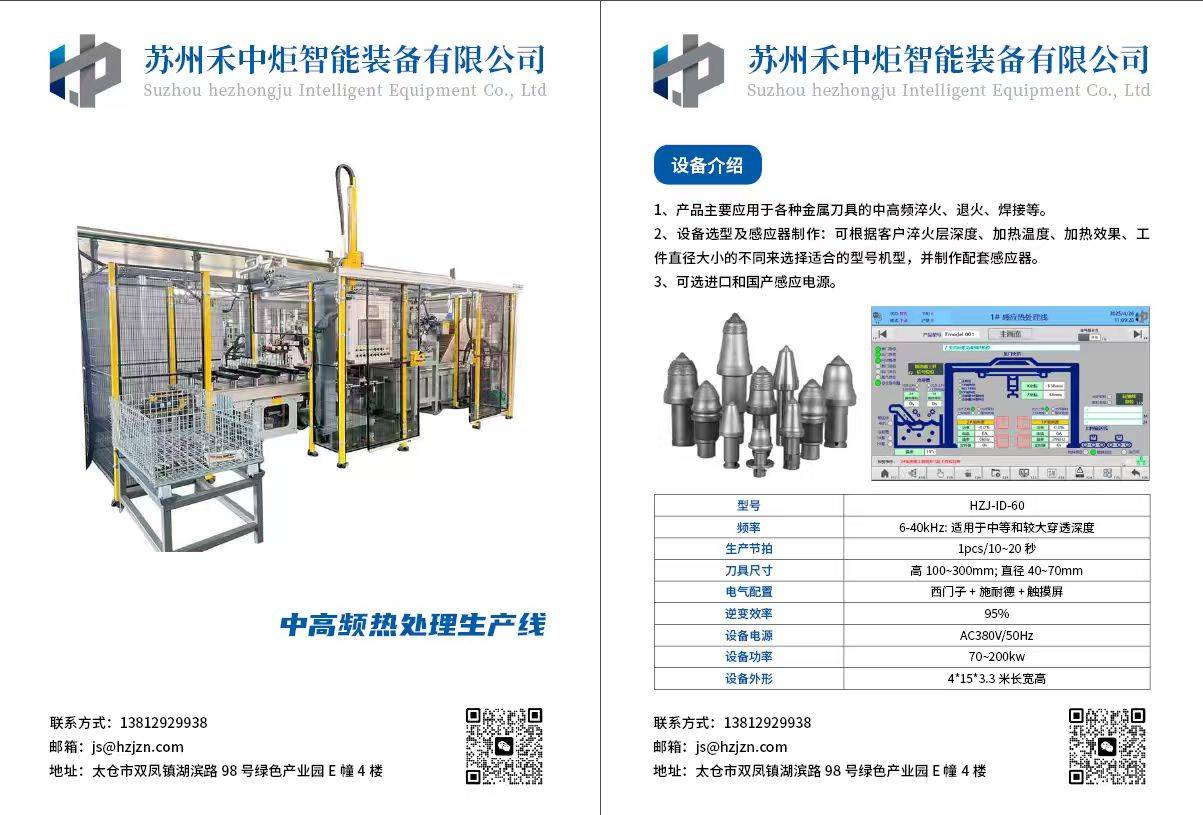
Excavator Bucket Teeth Heat Treatment Production Line
Suzhou Hezhongju Intelligent Equipment Co., Ltd.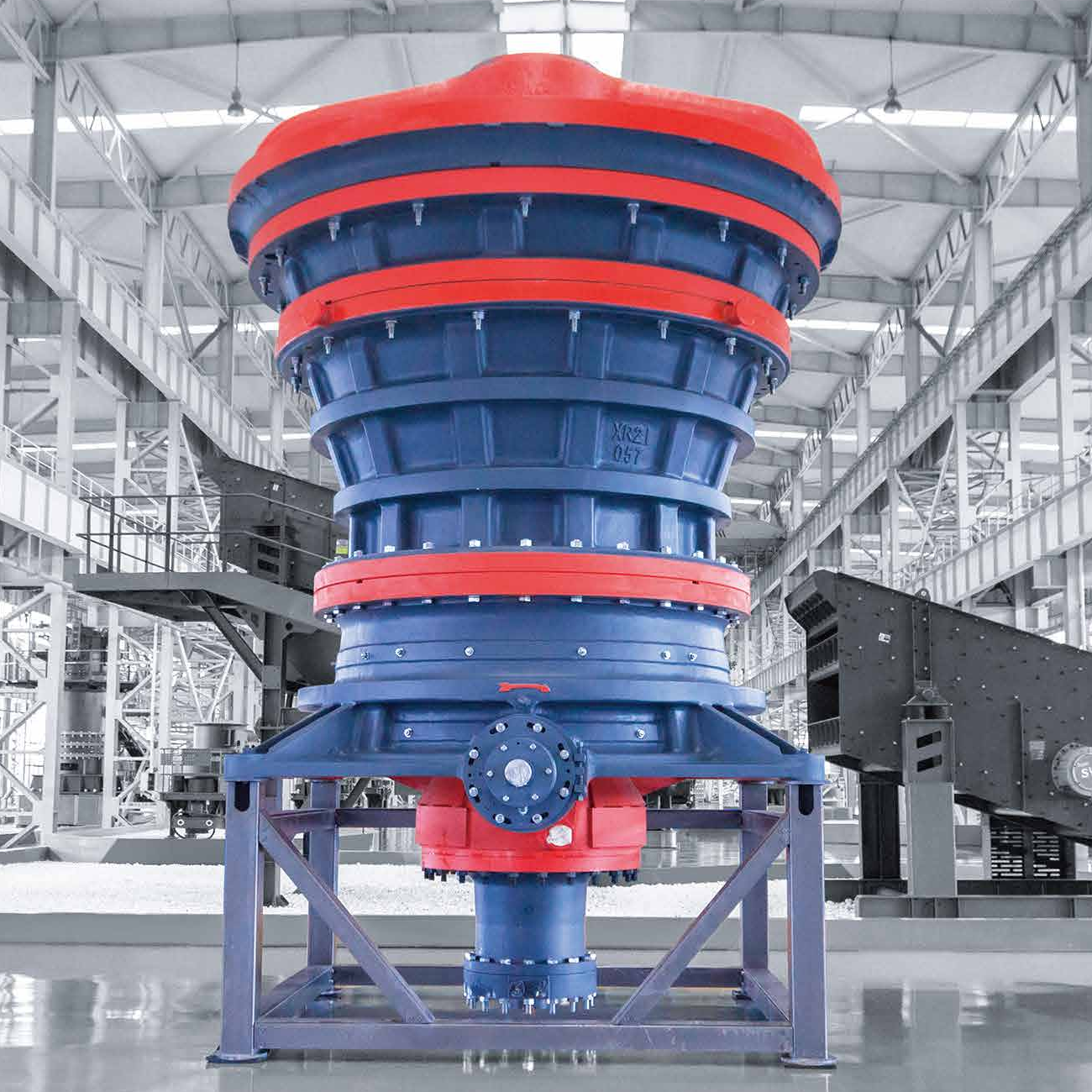
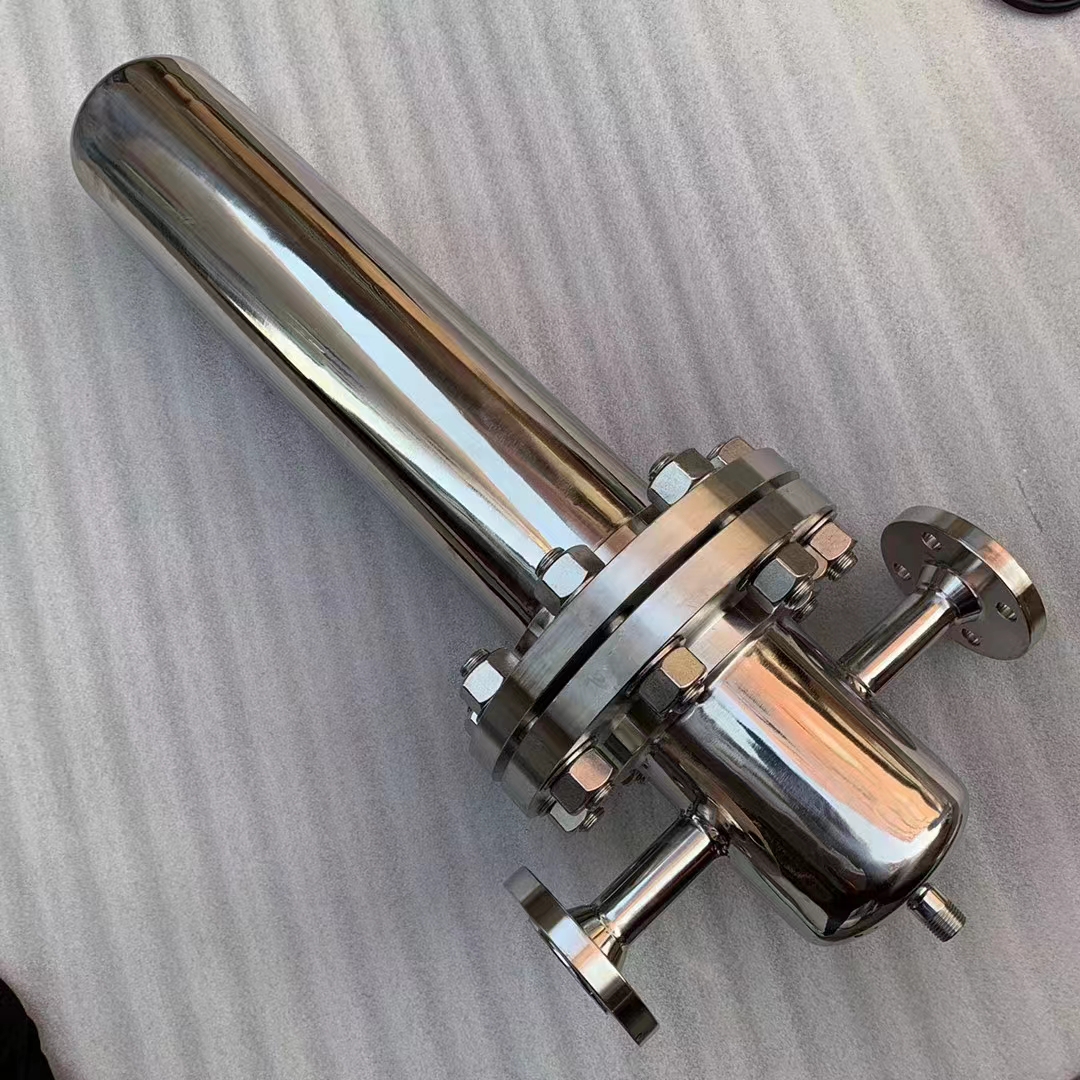
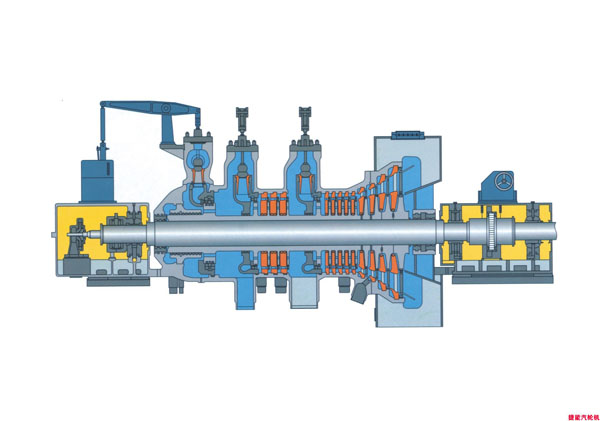
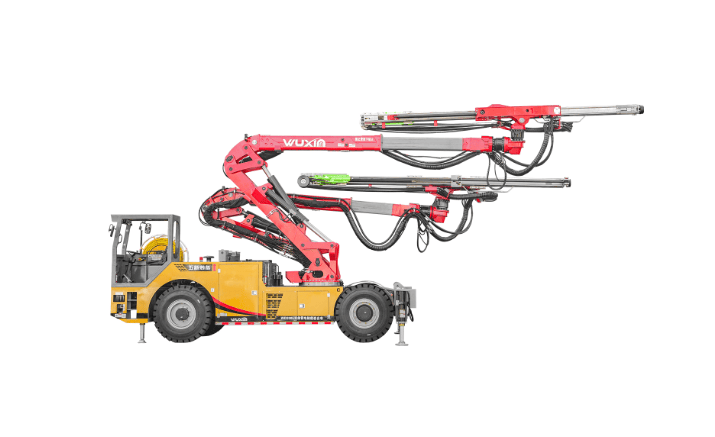
Double-Boom Computerized Rock Drilling Jumbo WD200E
Hunan Wuxin Intelligent Equipment Group Co., Ltd.
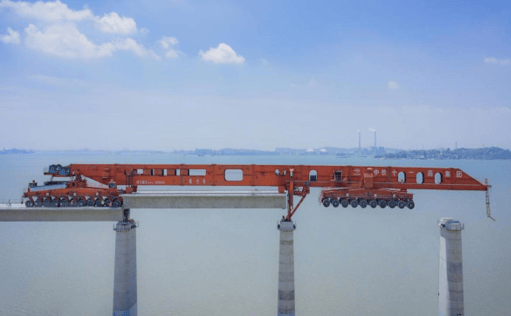
High-Speed Railway Lifting, Transporting, and Erecting Equipment: Integrated Transport and Erection Machine
Hanjiang Heavy Industry Co., Ltd. of China Railway 11th Bureau Group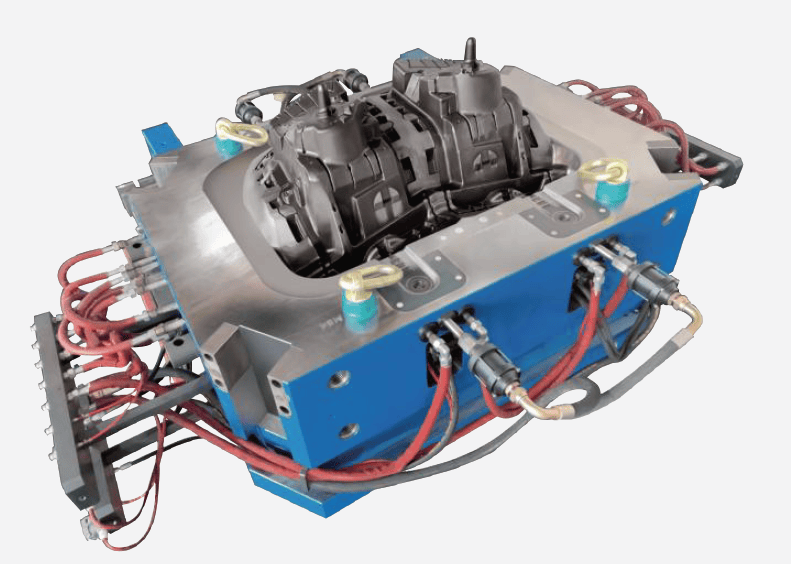
Aluminum-Magnesium Alloy High-Pressure Die-Casting Molds
NINGBO HELI TECHNOLOGY CO., LTD.