China's Jiangnan Shipyard Secures New Orders for 8 Very Large Gas Carriers
en.Wedoany.com Reported - The global newbuilding market for very large gas carriers (VLGCs) continues to heat up, with Jiangnan Shipyard recently securing orders for a total of 8 new vessels from both Chinese and international shipowners, further solidifying its competitive edge in the high-value-added ship market.
China Hong Kong-based LPG shipowner CYH Shipping (Yinghao Group/Yinghao Shipping) has placed an order with Jiangnan Shipyard for 4+3 90,000-cubic-meter VLGCs. The first four firm orders are expected to be delivered in 2030. The new vessels will be equipped with shaft generators and two fully pressurized deck tanks. The contract price has not been disclosed. According to Clarksons data, the current newbuilding price for an 88,000 to 91,000-cubic-meter VLGC is approximately $112.5 million (about RMB 763 million), down 5% from $119 million a year earlier. Based on this estimate, the total value of all seven orders is close to $800 million (about RMB 5.417 billion).
This marks CYH Shipping's first order for VLGCs, signaling a shift from secondhand vessel investments to the newbuilding market and accelerating its transition into the LPG transportation business. Founded in 2024, the company exited the tanker market late last year after selling its last LR2 product tanker. Since the beginning of this year, the company has been expanding its LPG shipping footprint through a series of acquisitions of secondhand VLGCs, purchasing two 84,000-cubic-meter VLGCs, "Cobra" and "Corsair," from US-listed shipowner Dorian LPG, and renaming them "CYH FUJIAN" and "CYH YONGCHUN," respectively.
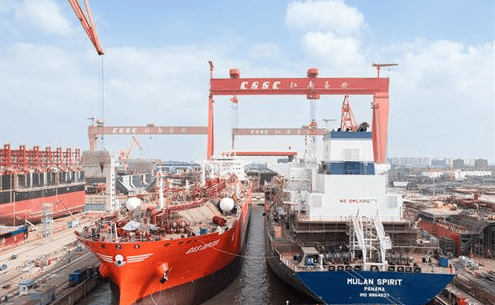
By the end of this month, CYH Shipping will take delivery of a third 84,000-cubic-meter VLGC, "Pacific Dongying," which will then be renamed "CYH QUANZHOU." The vessel was originally ordered by Shandong Shipping from South Korea's Daewoo Shipbuilding & Marine Engineering (now Hanwha Ocean) in May 2014 at a cost of $79 million. It was sold via public auction at the Guangzhou Shipping Exchange in March this year, with a starting price of $75 million, ultimately fetching $83.668 million. According to its official website, CYH Shipping's current development strategy focuses on the LPG transportation business, with a core mission of owning and operating a fleet of gas carriers, aiming to become a specialized gas carrier shipowner.
Greek shipowner Thenamaris has also recently placed an additional order with Jiangnan Shipyard for a third 90,000-cubic-meter very large ammonia carrier (VLAC). The new order, hull number H2799, will be delivered in 2029, following the same timeline as the shipowner's previous two vessels. This LPG dual-fuel VLAC is equipped with a shaft generator and two fully pressurized deck tanks, with the main engine being a dual-fuel Everllence (MAN) 6G60ME-C10.5-LGIP-HPSCR. The vessel measures 230 meters in length, 32.25 meters in width, and has a deadweight tonnage of 64,600 tons. The price of the new vessel has not been disclosed. Clarksons data shows that the current newbuilding price for an 88,000 to 93,000-cubic-meter VLAC is approximately $115 million (about RMB 780 million), down 5% from $120.5 million a year earlier.
This vessel type adopts a new generation of low-resistance hull form design. While meeting the size constraints of the old Panama Canal, it optimizes the bow and stern shapes and waterline distribution to achieve a balance between maximizing cargo capacity and minimizing sailing resistance. Its core LPG dual-fuel propulsion system can reduce CO2 emissions by about 20% and SOx emissions by about 99% compared to traditional fuel propulsion systems, meeting EEDI Phase III requirements. In April this year, Jiangnan Shipyard, in collaboration with China Shipbuilding Trading Co., signed contracts with Thenamaris for the first two VLACs, marking their initial cooperation. With this additional third order, Jiangnan Shipyard's order book also signifies Thenamaris's first foray into the VLAC market. Founded in 1972, Thenamaris currently manages a fleet comprising 51 tankers, 24 bulk carriers, 2 container ships, 6 LPG carriers, and 7 LNG carriers. In addition to the VLAC orders at Jiangnan Shipyard, the company has 12 tankers under construction, including 2 Suezmax tankers at Waigaoqiao Shipbuilding, 3 Aframax tankers each at Hengli Heavy Industry and Dalian Shipbuilding, and 2 MR2 product tankers each at COSCO Shipping Heavy Industry (Guangdong) and HD Hyundai Heavy Industries.
After a downturn in 2025, the newbuilding market for VLGCs and VLACs has rebounded rapidly this year. Clarksons data shows that global orders for VLGCs and VLACs have reached 67 so far this year, surpassing the full-year total of 60 in 2024 and setting a new annual record ahead of schedule. Industry insiders believe that record-high profitability in the VLGC market, the restructuring of global trade routes, and increased ton-mile demand are key drivers behind this wave of ordering. Additionally, compared to the historical high of over $130 million at the beginning of last year, current ship prices have moderated, further stimulating shipowners' investment appetite.
In recent years, Jiangnan Shipyard has become a major force in the global construction of very large gas carriers, with its order books for VLGCs, VLACs, and very large ethane carriers (VLECs) ranking among the top in the world. According to Clarksons data, Jiangnan Shipyard currently holds 23 VLGC and VLAC orders on its books, ranking third globally and first in China among individual shipyards, trailing only HD Hyundai Heavy Industries (44 vessels) and HD Hyundai Samho (32 vessels). In the VLEC segment, Jiangnan Shipyard holds 28 orders, far surpassing HD Hyundai Heavy Industries and Samsung Heavy Industries (7 each), ranking first globally. The predecessor of Jiangnan Shipyard was the "Jiangnan Arsenal," established in 1865, which is considered the birthplace of China's modern national industry and military industry. Including the latest orders, Clarksons data shows that Jiangnan Shipyard currently holds a total of 113 orders, amounting to 11.72 million deadweight tons, comprising 25 VLACs and VLGCs, 28 VLECs, 4 medium-sized gas carriers, 38 container ships, 16 LNG carriers, and 2 LNG bunkering vessels, with delivery schedules extending to 2030.
Related Products
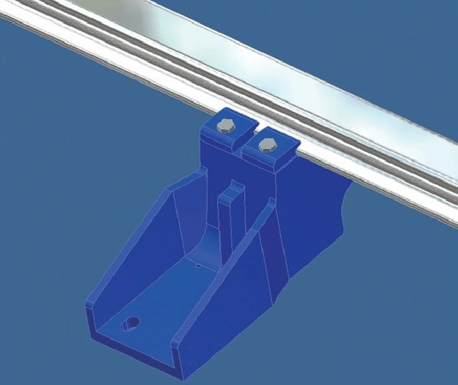

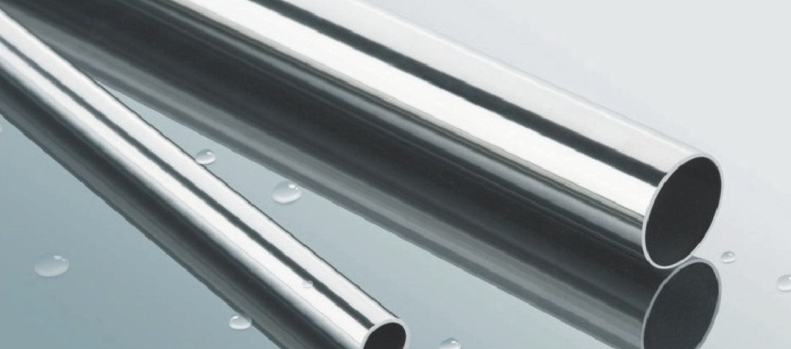
ERW Welded Pipe (Black Pipe and Hot-dip Galvanized Steel Pipe)
Handan Zhengda Steel Pipe Co., Ltd.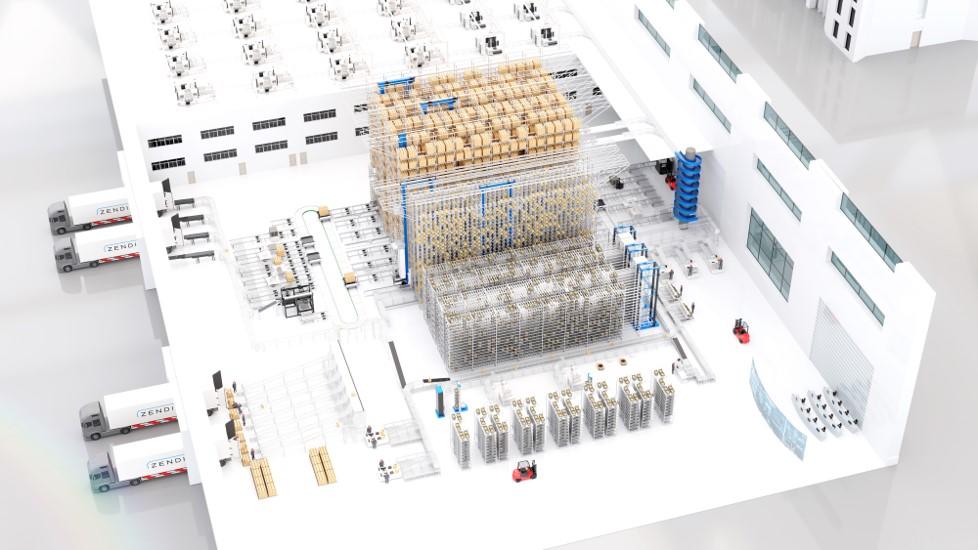
One-Stop Steward Service for the Entire Logistics System Integration Chain
Zhongding Intelligent (Wuxi) Technology Co., Ltd.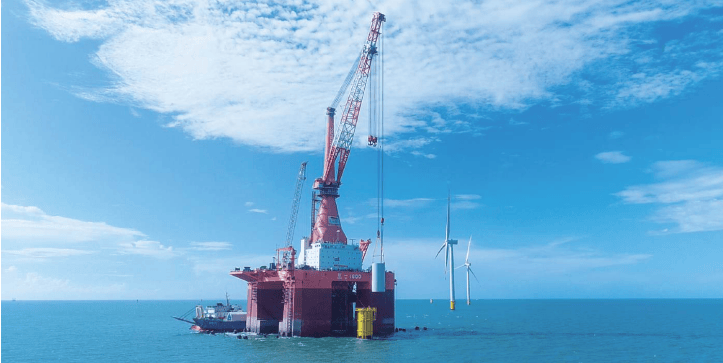
"Shunyi 1600" Deep-submerging Bottom-sitting Multi-functional Wind Power Engineering Vessel
Zhengli Offshore Engineering Co., Ltd.
Pantograph-Catenary Comprehensive Detection Device (1C)
CHENGDU TANGYUAN ELECTRIC CO., LTD.