China Exports 10.377 Million Robots Worth 19.99 Billion Yuan in First Five Months of 2026
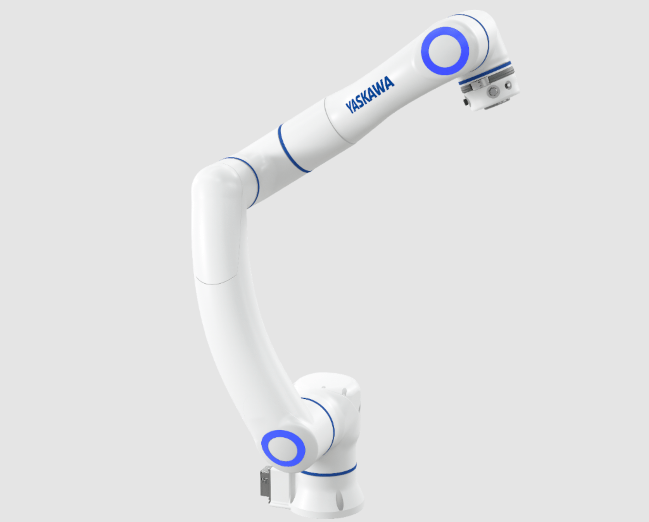
en.Wedoany.com Reported - In the first five months of this year, China exported a total of 10.377 million individually listed robots, with a total value of 19.99 billion yuan. Customs data shows that the export scale of Chinese robot products in overseas markets continues to expand, with an increasingly diversified product mix. Among them, industrial robots have been exported to 141 countries and regions worldwide, the export value of surgical robots has increased by 3.3 times, and the combined export value of cleaning robots and intelligent bionic robots reached 18.09 billion yuan. The data reflects a close alignment between global consumer demand in the intelligent era and China's robot production and supply chain capabilities.
Cleaning robots account for over 70% of the export value of China's various robot categories, with exports reaching 14 billion yuan in the first five months of this year, demonstrating a clear global market share advantage. South Korea's Seoul Economic Daily, citing data from international market research firm IDC, reported that the top five brands in the global home cleaning robot market last year were all from China. A consumer named Simone in Hamburg, Germany, stated that Chinese-branded sweeping robots excel in intelligent navigation and automatic sweeping and mopping functions, prompting her to subsequently purchase a weeding robot, a window-cleaning robot, and a pool cleaning robot. Another German consumer, Aurel, pointed out that the intelligence level of Chinese-branded products has significantly improved, with clear advantages in functional innovation and update speed, and after-sales service systems are also becoming increasingly comprehensive.
Chinese companies are conducting localized research and development for different regional markets. A representative from Roborock stated that "local expression" is key to integrating products into local life and building emotional connections with brands. The company emphasizes "energy-saving and quiet operation" and "eco-friendly design" for the European market, while highlighting "waterproof and moisture-proof" and "antibacterial and odor-resistant" features for the Southeast Asian market.
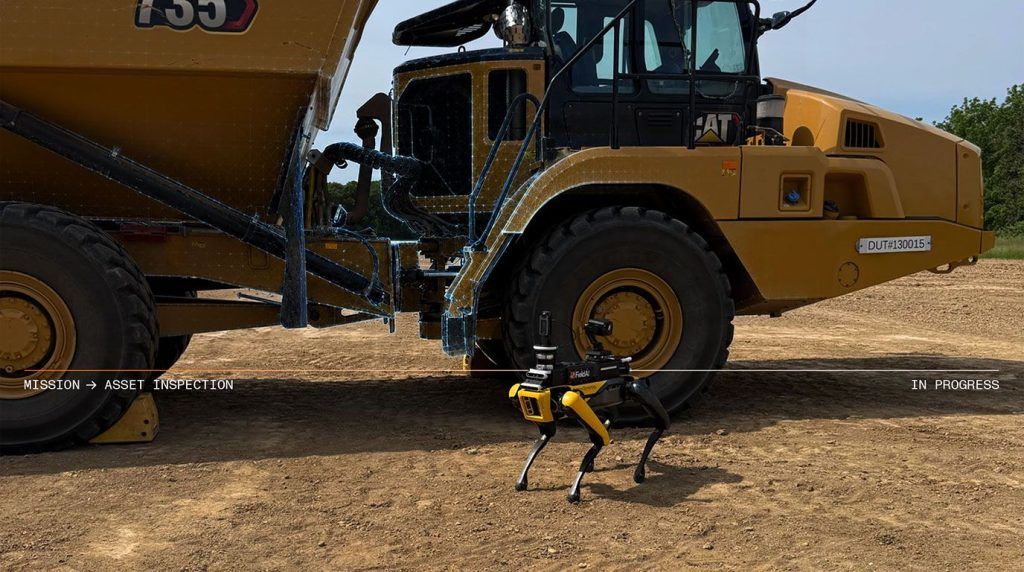
In addition to cleaning robots, Chinese companies are also deploying in more application scenarios. At JD's Shuangjing store, the world's first consumer-grade robot experience store, various products such as humanoid welcome robots, navigation robot dogs, and wheeled humanoid robots are on display. The wheeled humanoid robot can execute fetching commands, and a JD representative stated that it should be able to approach human working speed within three to five years.
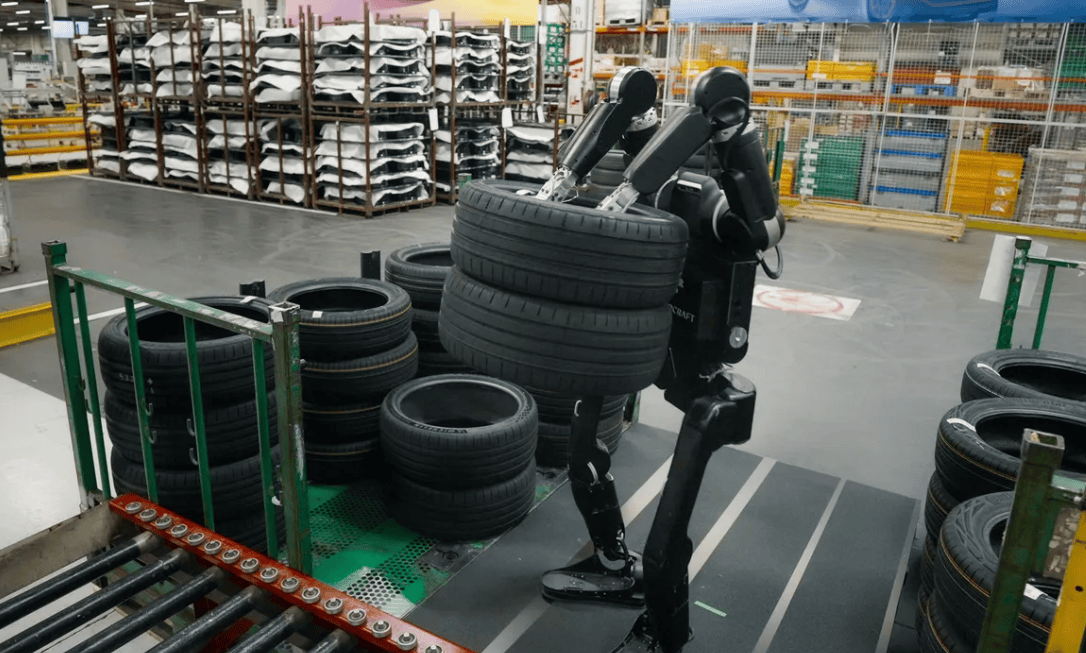
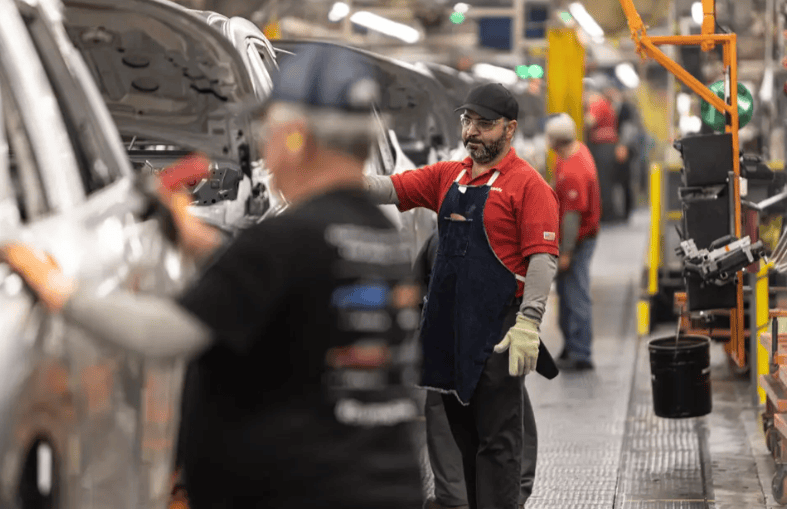
Liu Shaoshan, Director of the Embodied Intelligence Center at the Shenzhen Institute of Artificial Intelligence and Robotics, analyzed that robots are moving from standardized production lines to open, complex, and real-world scenarios, transforming from mechanical execution devices into intelligent systems integrating "perception, decision-making, and execution." A representative from Magic Atom Robotics stated that its consumer-grade quadruped robots for home companionship and scientific research education lead in shipment volume, its general-purpose robots for commercial services are popular in European, American, and Asia-Pacific markets, and its professional quadruped robots have achieved large-scale deployment in markets such as North America and the Middle East.
In the first five months of this year, the EU and ASEAN were the main export destinations for Chinese robots. Liu Shaoshan believes this indicates clear global demand and significant Chinese advantages. The EU market has strict requirements for quality, safety, and certification; the fact that Chinese robots can enter this market demonstrates that the products have already passed high-standard market testing. ASEAN, as a high-growth market, has strong demand for automation and robotics, and Chinese products have advantages in cost-effectiveness, delivery speed, and scenario adaptability.
A representative from Roborock pointed out that the world's top five cleaning robot companies are all from China, while the industry pioneer, US-based iRobot, filed for bankruptcy protection in December last year, indicating that Chinese companies have gained a voice in the global smart cleaning field. A representative from Magic Atom Robotics stated that global shipments of humanoid robots in 2025 are expected to be between 13,000 and 18,000 units, a four to fivefold increase from the previous year, with Chinese companies leading in mass production and delivery. Liu Shaoshan believes that the next phase will focus on building an embodied intelligence infrastructure, where China has significant advantages in the scale of industrial scenarios, the completeness of the supply chain, and the speed of integrating AI with manufacturing.
Related Products
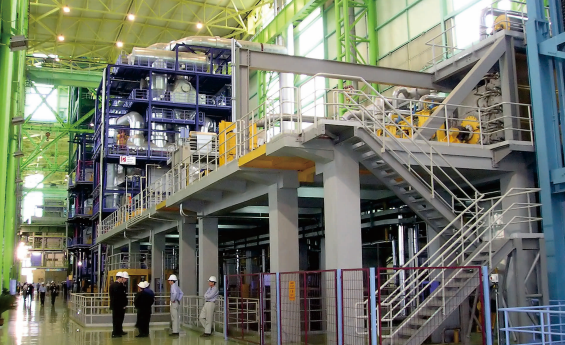

Strip Coating and Plating Production Line Equipment
MCC-SFRE HEAVY INDUSTRY EQUIPMENT CO., LTD.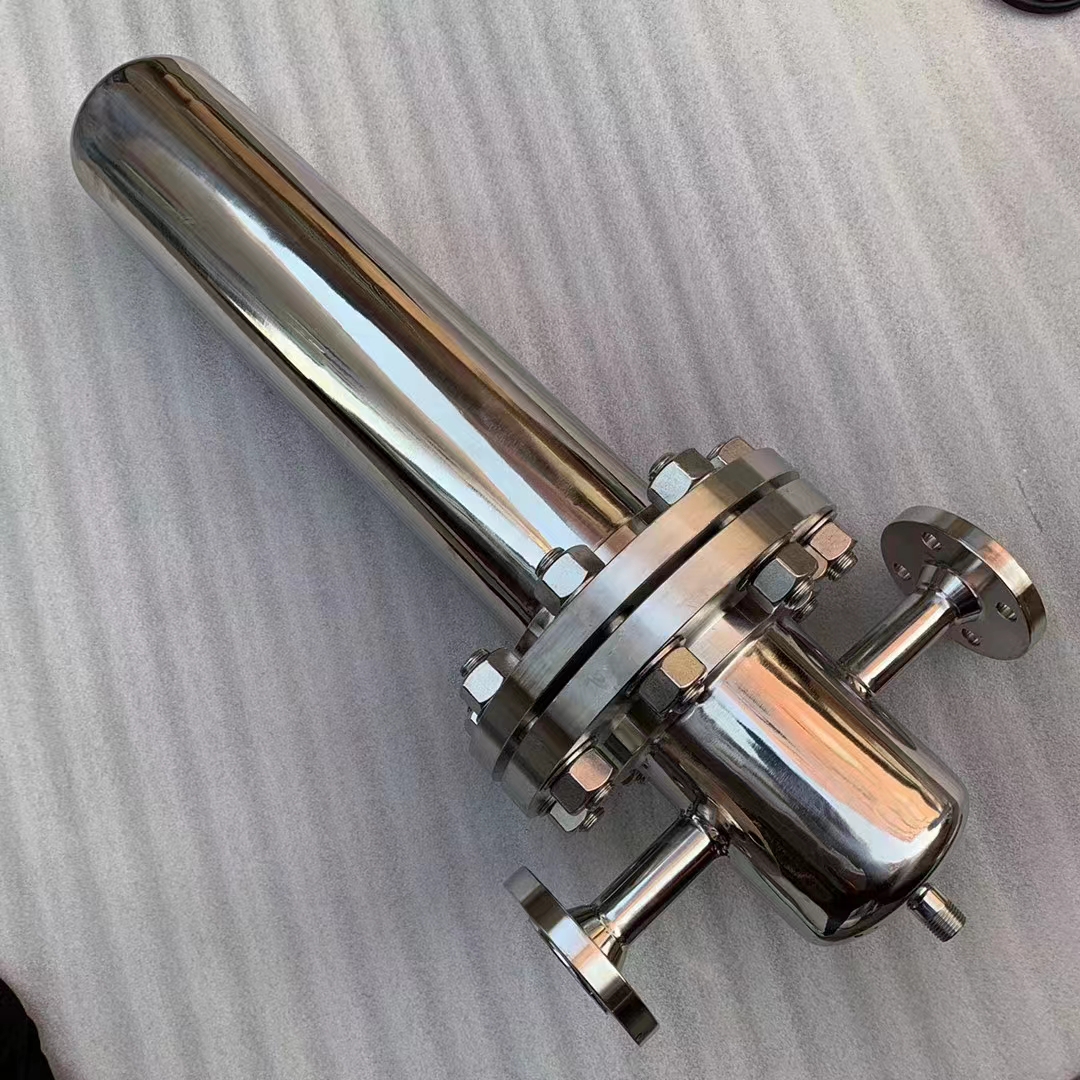

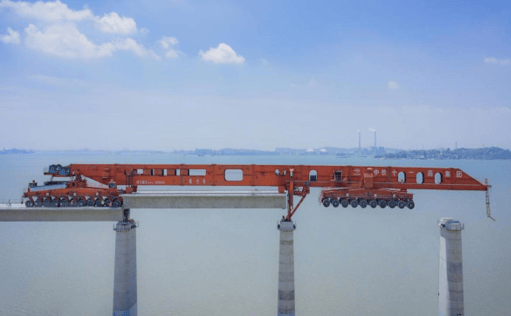
High-Speed Railway Lifting, Transporting, and Erecting Equipment: Integrated Transport and Erection Machine
Hanjiang Heavy Industry Co., Ltd. of China Railway 11th Bureau Group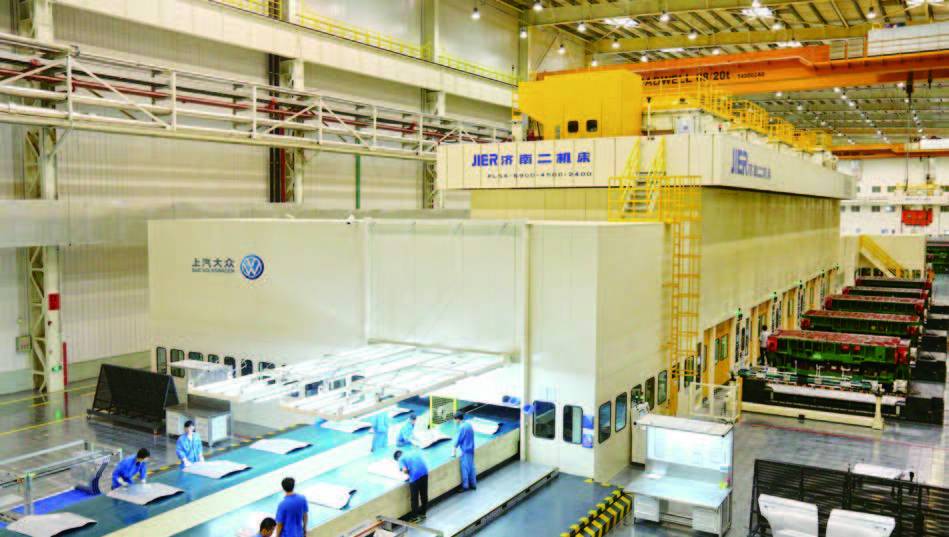
High-Speed Flexible Fully Automatic Stamping Production Line
JIER Machine-Tool Group Co., Ltd.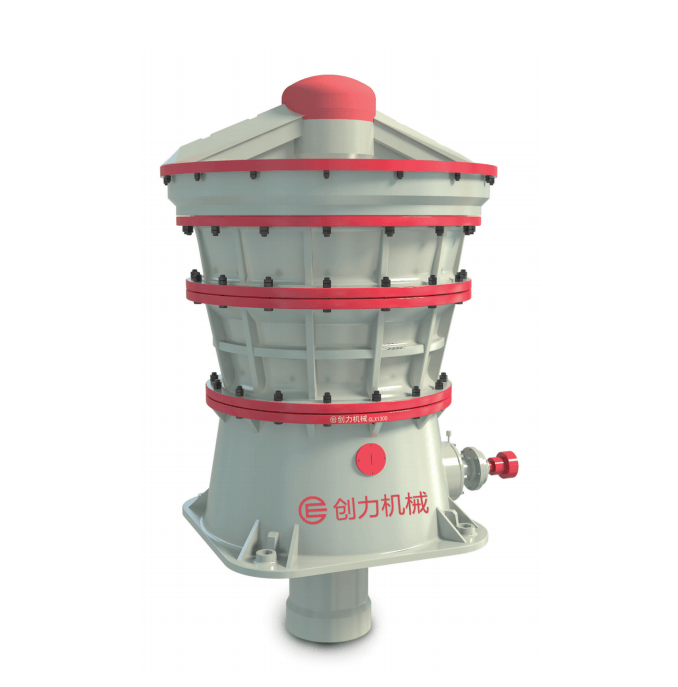
CLX Series Intelligent Hydraulic Gyratory Crusher
Guangdong CHUANGLI intelligent machinery Equipment Co., LTD
CAP1400 main feedwater flow nozzle flowmeter.
Jiangsu Hongda Instrument Technology Co., LTD.
Standard Nozzle Flowmeter
Jinggong Automatic Control Instrument Complete Technology Development Company