U.S. Pacific Fusion Pulse Power Prototype Completes 3,000 Tests with 95% Efficiency
en.Wedoany.com Reported - Pacific Fusion, in collaboration with Lawrence Livermore National Laboratory (LLNL), has completed over 3,000 test firings of its pulse power prototype, a milestone that lays the foundation for the company to build a fusion system achieving net facility gain by 2030.
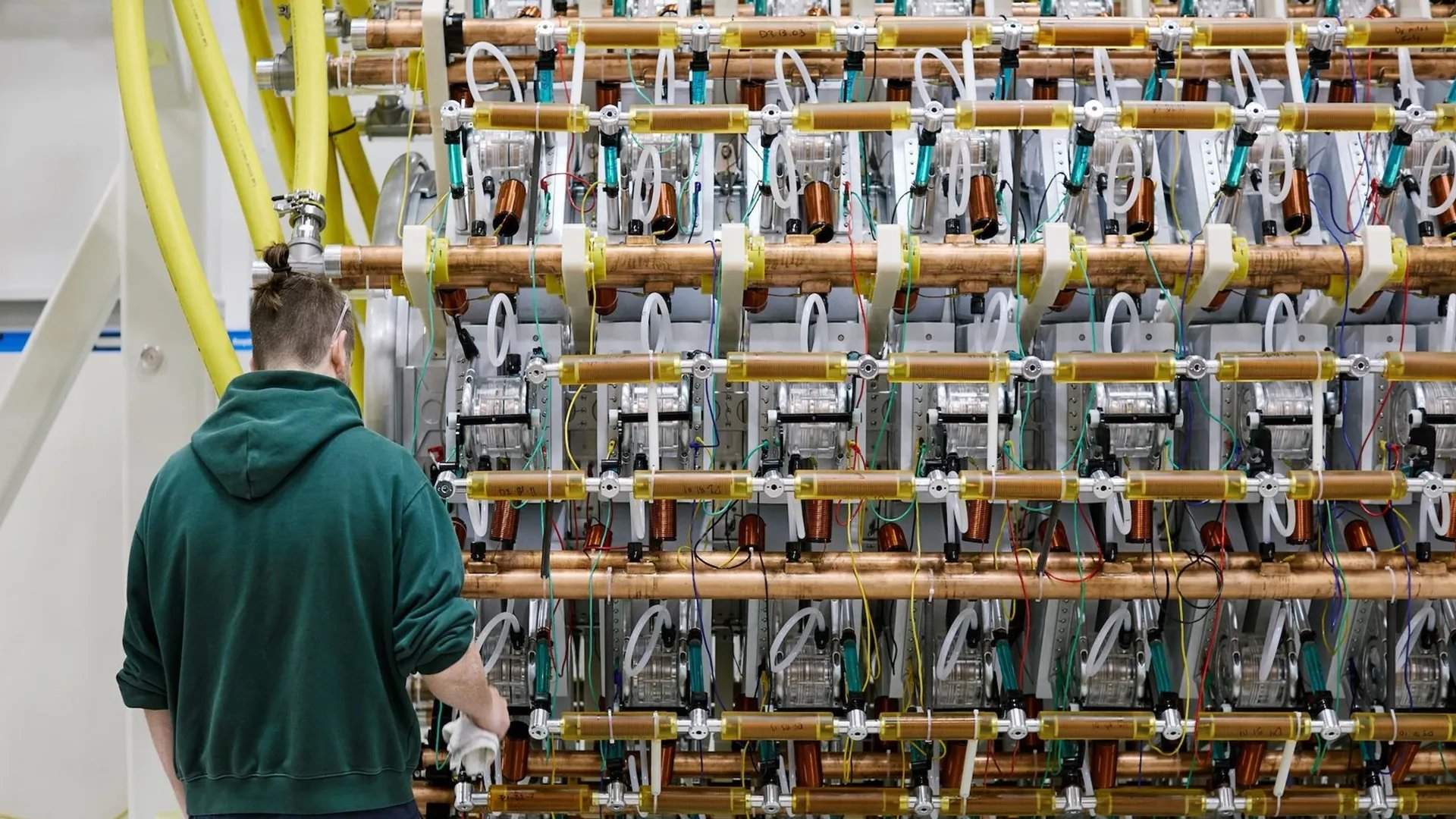
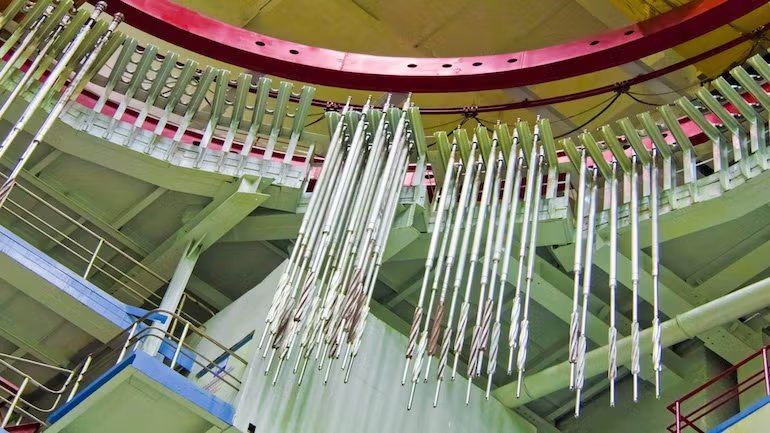
Named Sirius, the prototype was built at LLNL under a cooperative research and development agreement. It employs an Impedance-Matched Marx Generator (IMG) architecture, which charges capacitors in parallel and discharges them through timed cascading into a common transmission line, enabling wave superposition to efficiently and repetitively deliver brief, high-power electrical pulses.
According to Pacific Fusion, the testing campaign validated the system's reliability over thousands of repetitive firings, and the performance data generated has been used to design larger pulse power systems. The company plans to begin construction of its demonstration system later this summer in Albuquerque, New Mexico.
Pulse power systems briefly store electrical energy and then release it in intense bursts lasting approximately 100 nanoseconds. These pulses can create the extreme conditions needed to compress fusion fuel, as well as support high-energy-density physics experiments used in materials research, radioisotope production, and national security applications. Compared to traditional Marx generators that stack voltage through multi-stage pulse compression, the Impedance-Matched Marx Generator has a simpler structure. The four-stage Sirius prototype delivered 60 gigawatts of power to a resistive load in a 100-nanosecond pulse while achieving 95% energy efficiency.
The 3,000-firing test primarily evaluated component lifetime and long-term reliability, with the operational data directly guiding the design of larger pulse power platforms. Keith LeChien, co-founder and Chief Technology Officer of Pacific Fusion, stated that this is a concrete example of government-industry collaboration, where laboratory innovation is rapidly being translated into scalable systems, with the goal of achieving high-yield, high-gain fusion within this decade.
A new prototype unveiled by the company in June scales the Sirius platform by approximately 11 times, delivering about 440 gigawatts of peak output power and 1.1 million volts in an 80-nanosecond pulse, making it the highest-power single-step pulse power driver demonstrated to date. The company is currently developing a system roughly 40 times larger than Sirius, having raised over $1 billion in private funding. Its planned demonstration system aims to produce fusion bursts exceeding 100 megajoules and achieve net facility gain.
Related Products

Electromagnetic Fluid Seawater Floating Oil Separation and Recover Equipment
Huate Magnet Group Co., Ltd.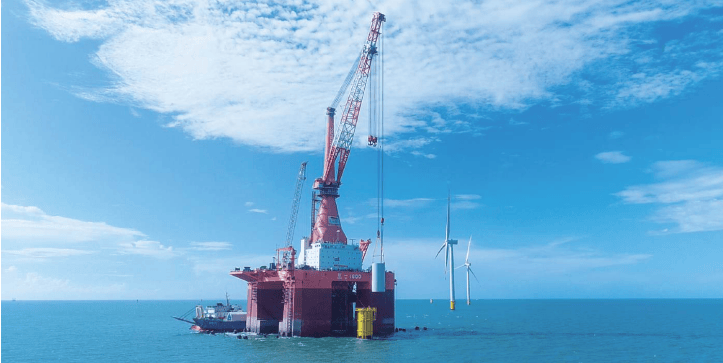
"Shunyi 1600" Deep-submerging Bottom-sitting Multi-functional Wind Power Engineering Vessel
Zhengli Offshore Engineering Co., Ltd.
Perfluorinated Ionic Membrane-CM-10N Series Membrane
Guizhou Juneng Century Technology Co., Ltd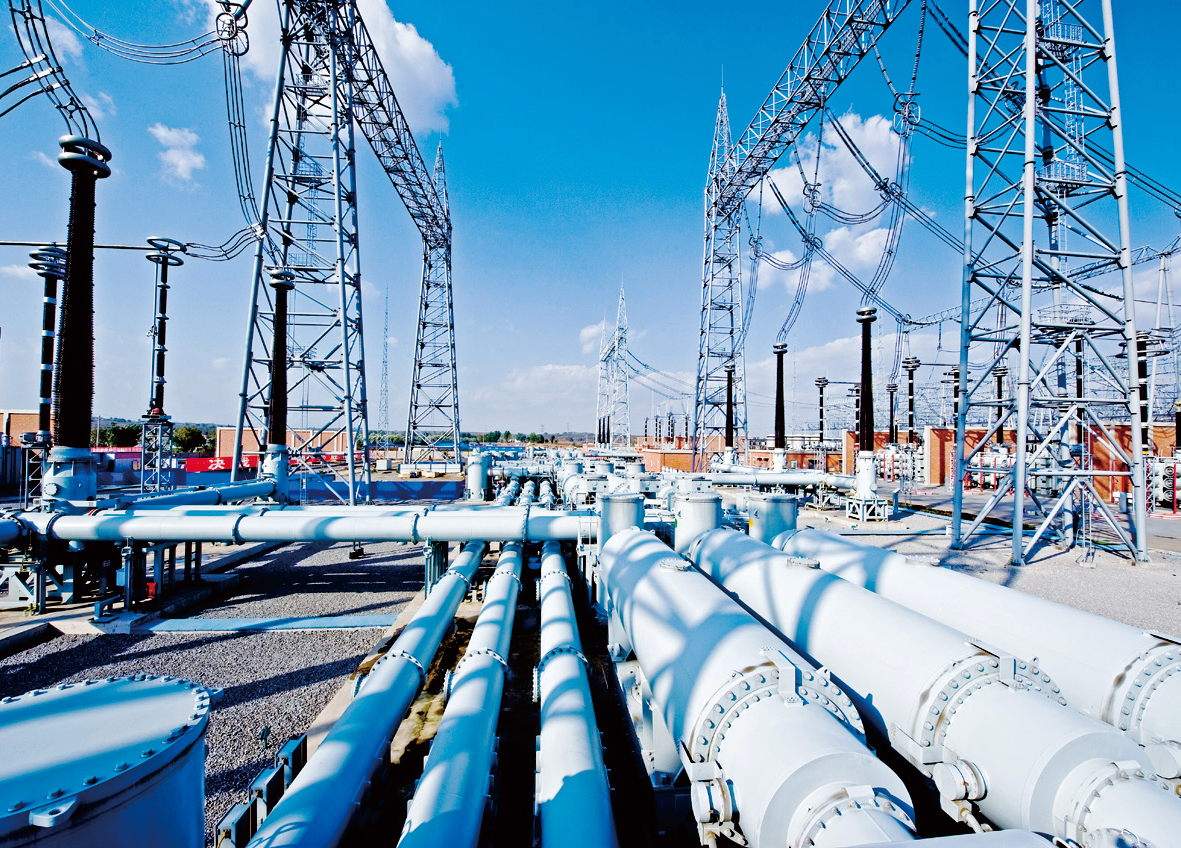
40.5kV-1100kV Gas Insulated Metal-Enclosed Switchgear (GIS)
Henan Pinggao Electric Co., Ltd.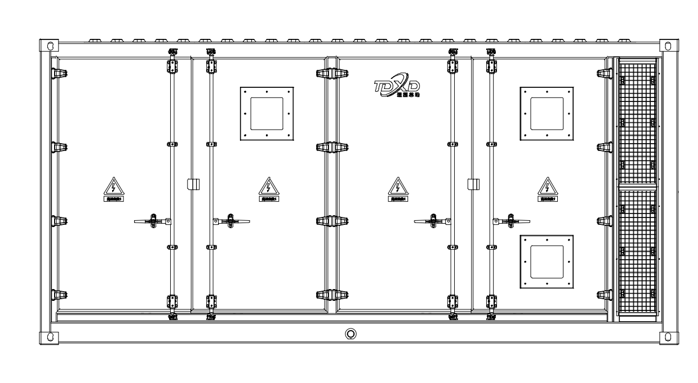
5012kWh DC Energy Storage System TD-EES-5012kWh
Suzhou Tongding Xindong Energy Storage Technology Co., Ltd.
Ultrasonic Wind Speed and Direction Instrument
Kingmach Measurement & Monitoring Technology Co., Ltd.