Indian Government Tenders 10 GWh Grid-Scale Energy Storage
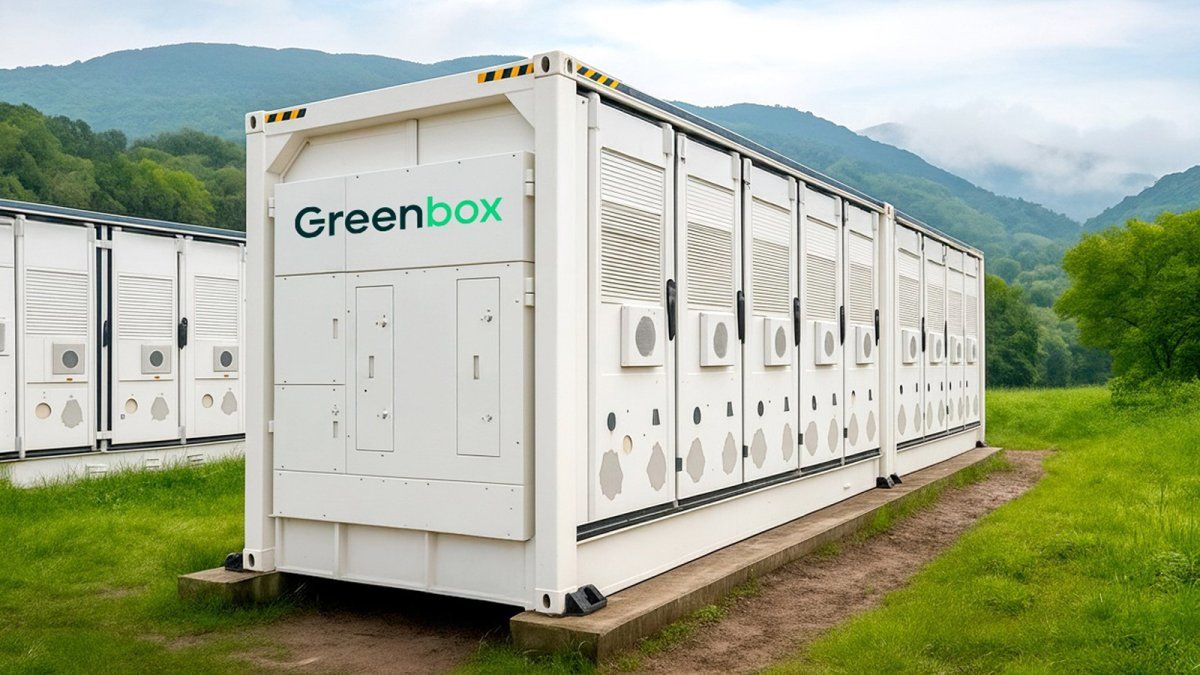
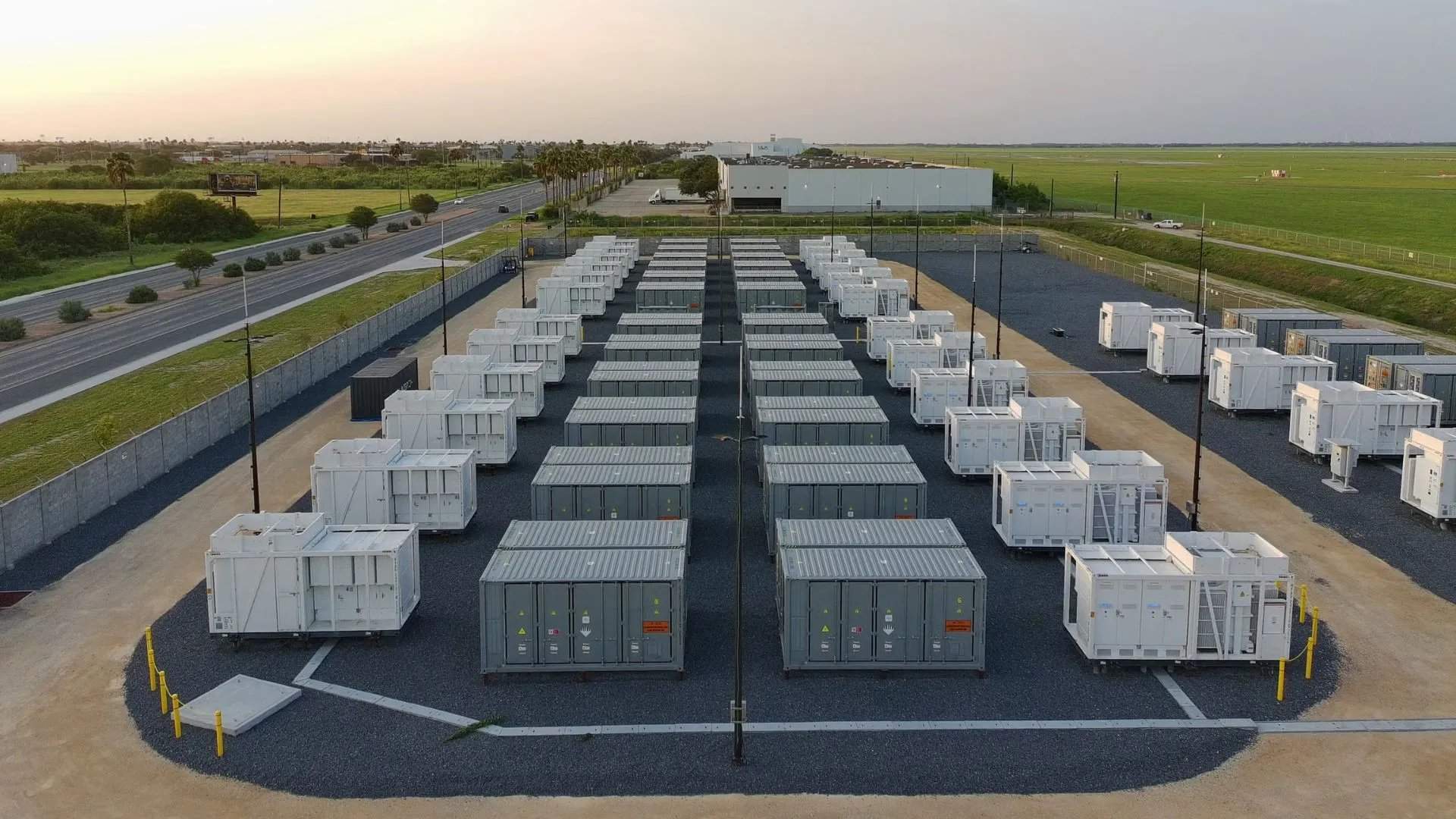
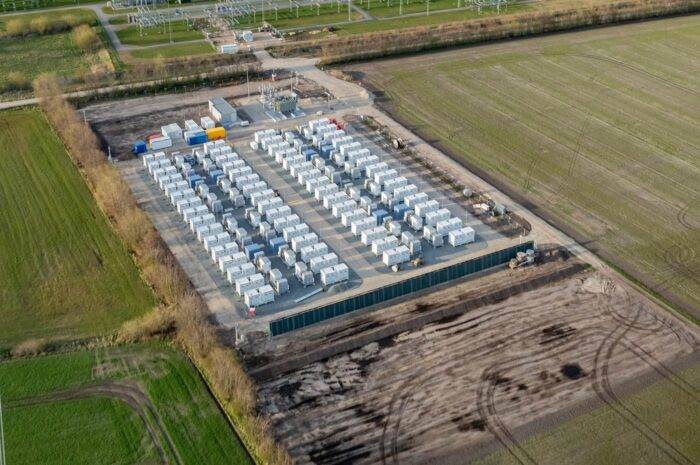
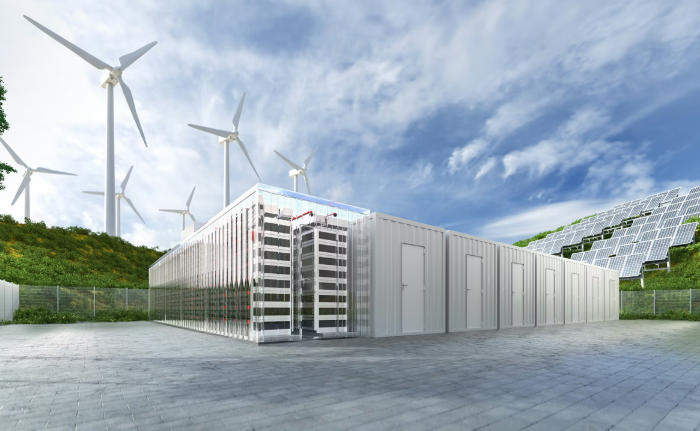
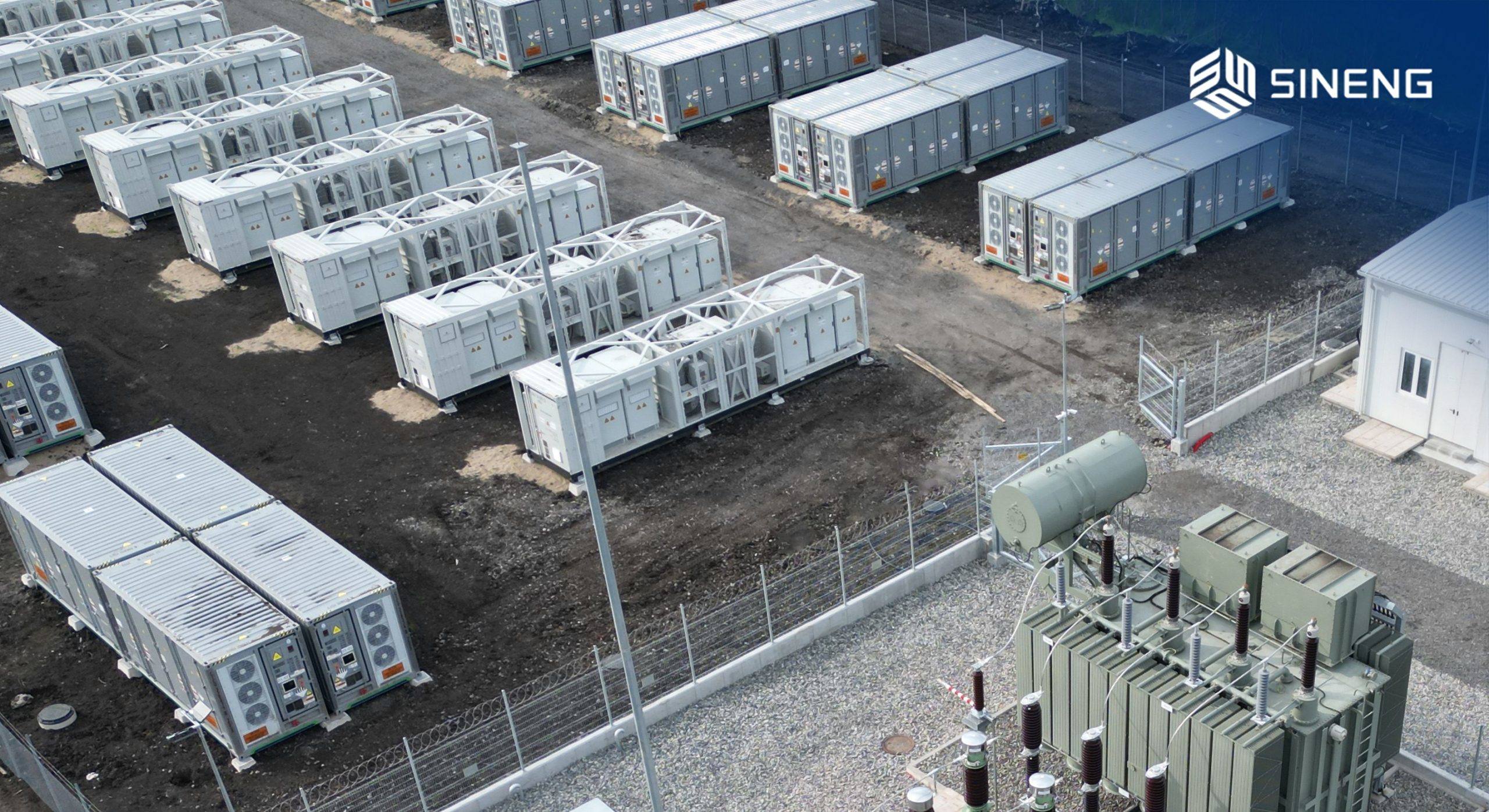
en.Wedoany.com Reported - The Indian Ministry of Heavy Industries issued a tender on Wednesday, inviting companies to develop 10 GWh of grid-scale energy storage systems under the Production Linked Incentive Scheme for Advanced Chemistry Cells (PLI ACC), which has a total budget of INR 181 billion.
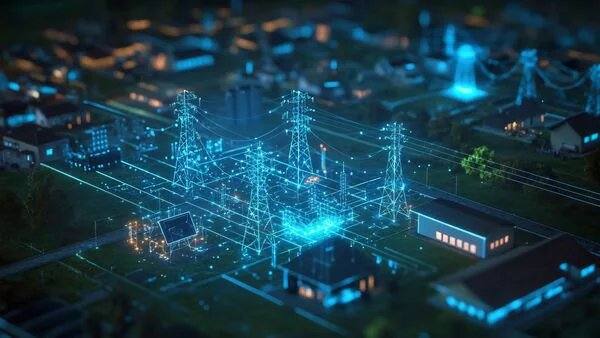
The scheme aims to establish 50 GWh of battery manufacturing capacity, of which 10 GWh was previously earmarked for grid-scale stationary energy storage to meet India's growing electricity demand and renewable energy integration needs. According to the tender documents, the bid submission deadline is October 13, with bid opening scheduled for October 14, and a pre-bid meeting will be held on July 29. The bid security is INR 100 million.
Looking back at previous progress, in September 2024, the government awarded 10 GWh of capacity to Reliance Industries Ltd, bringing its total allocation under the scheme to 15 GWh. Other companies that have received allocations include Ola Electric (20 GWh) and Rajesh Exports (5 GWh), bringing the total awarded capacity to 40 GWh.
Since its launch in 2021, the PLI ACC scheme has progressed slowly, with actual expenditure under the battery manufacturing incentive program remaining at zero as of now. The government stated that the unavailability of technology, shortage of skilled labor, delays in importing critical machinery and equipment, and insufficient upstream components are the main reasons why capacity developers have failed to meet their targets. As of February 2026, only Ola Electric has built 1 GWh of battery manufacturing capacity, while other companies have yet to deliver any capacity.
Rajesh Exports subsequently became embroiled in controversy. In early June, the Securities and Exchange Board of India (Sebi) accused the Bangalore-based company of inflating revenue by approximately INR 15.15 trillion over five years through unverifiable transactions and diverting company funds through related-party entities.
Debmalya Sen, Chairman of the industry body India Energy Storage Alliance (IESA), stated that this 10 GWh grid-scale energy storage tender is "long-awaited" by the industry. Sen estimated that, including commercial and industrial (C&I) projects, India currently has 55 GWh of energy storage projects under execution, with an additional 70 GWh solely for battery energy storage services (BESS) in the tendering stage, reflecting the scale of the country's energy storage capacity buildout.
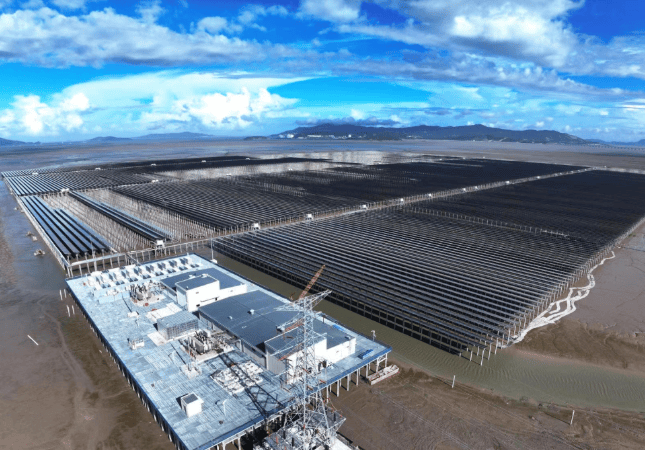
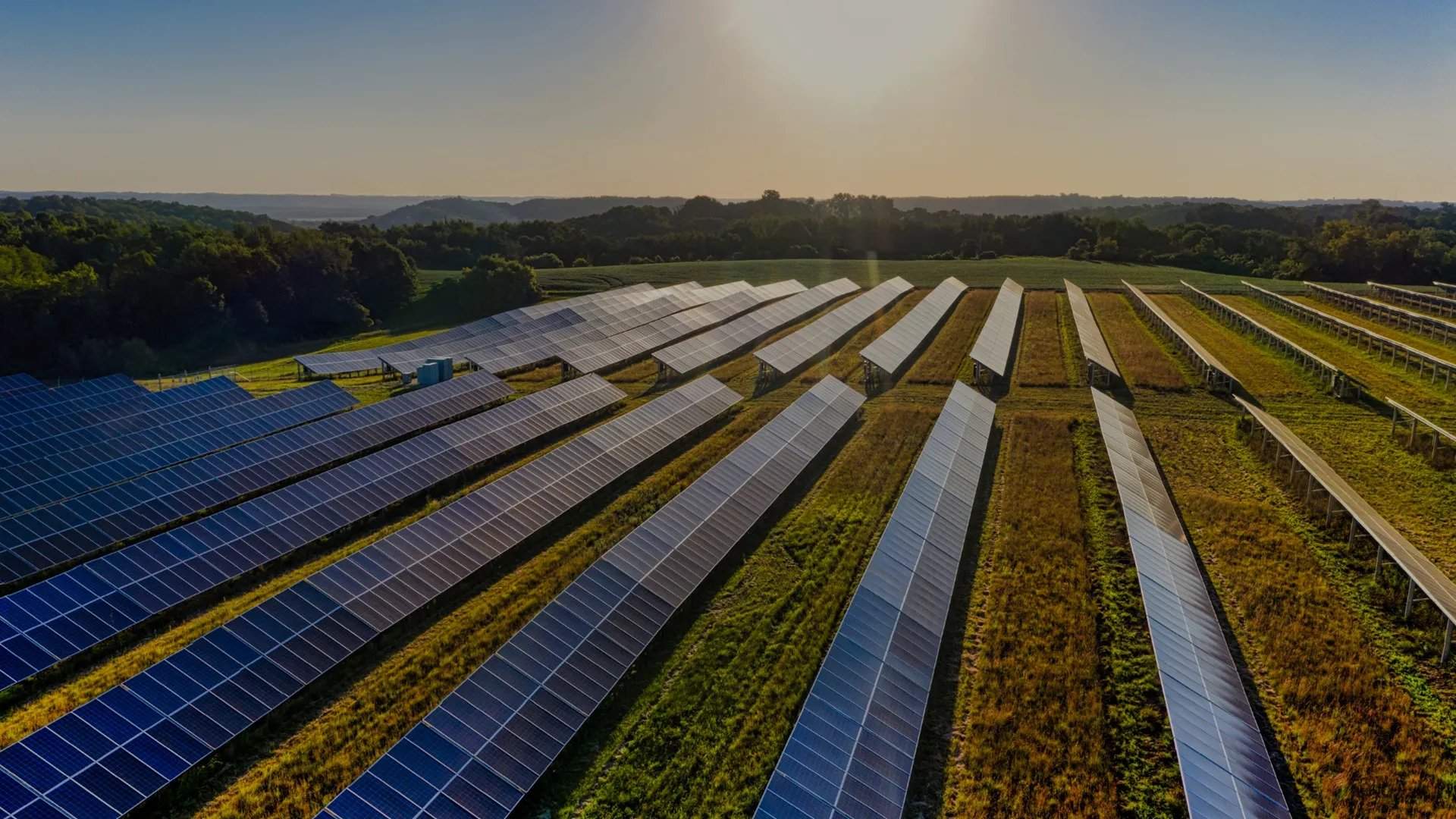
Grid-scale energy storage is crucial for storing surplus electricity and releasing it during peak demand periods. Due to insufficient storage capacity, India is often forced to curtail output during peak solar photovoltaic generation hours during the day, meaning it has to reduce renewable energy generation when the grid cannot absorb excess power. BESS is seen as a key enabler of the global energy transition and the shift away from fossil fuels, and is also considered a vital component of India's energy transition—it can store electricity and supply it to the grid during peak demand. India has set a target of achieving 500 GW of non-fossil fuel installed capacity by 2030, including wind and solar power.
The Ministry of Heavy Industries stated in a press release: "The 10 GWh capacity reserved for grid-scale stationary energy storage applications will support the country's growing energy storage needs arising from rapid renewable energy deployment, strengthen energy security, reduce import dependence, and foster a globally competitive battery manufacturing ecosystem."
Experts believe that government-supported grid-scale energy storage can be effectively utilized. Rahul Tongia, Senior Fellow at the Centre for Social and Economic Progress, noted: "Assuming a storage duration of 4 hours, 10 GWh equates to approximately 2.5 GW of power output capacity. The annual incremental demand for energy storage is expected to be much higher than this scale. Therefore, if priced reasonably, this capacity will be easily absorbed."
Some experts also pointed out that India's battery ecosystem is still far from self-sufficiency. Reji Kumar Pillai, Chairman of the India Smart Grid Forum, a think tank under the Ministry of Power, said: "The current concern is that India does not have its own battery-grade materials, including battery-grade water. Additionally, while the cost of building lithium battery manufacturing plants has decreased, developing 1 GWh of capacity still requires at least USD 100 million."
Related Products
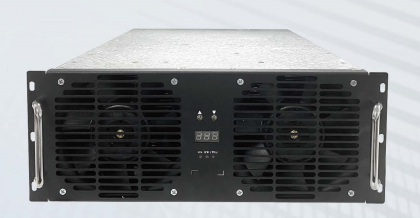

80kW Megawatt Supercharging Module TH80F10030C9
Shijiazhuang Tonhe Electronics Technologies Co., Ltd.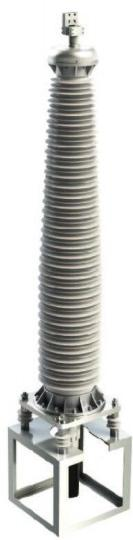
220kV Composite Outdoor Cable Terminal
Shenyang Guolian Cable Accessories Manufacture Co., Ltd.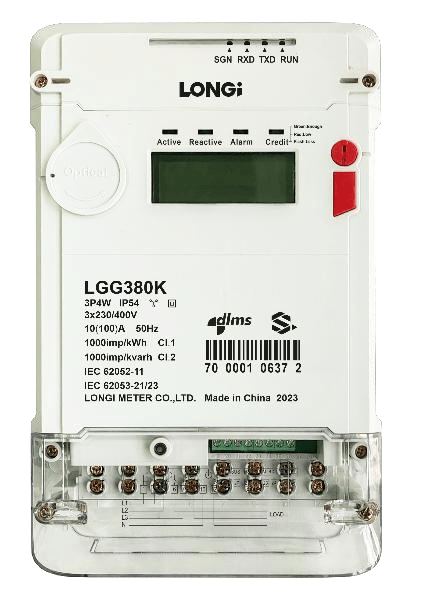
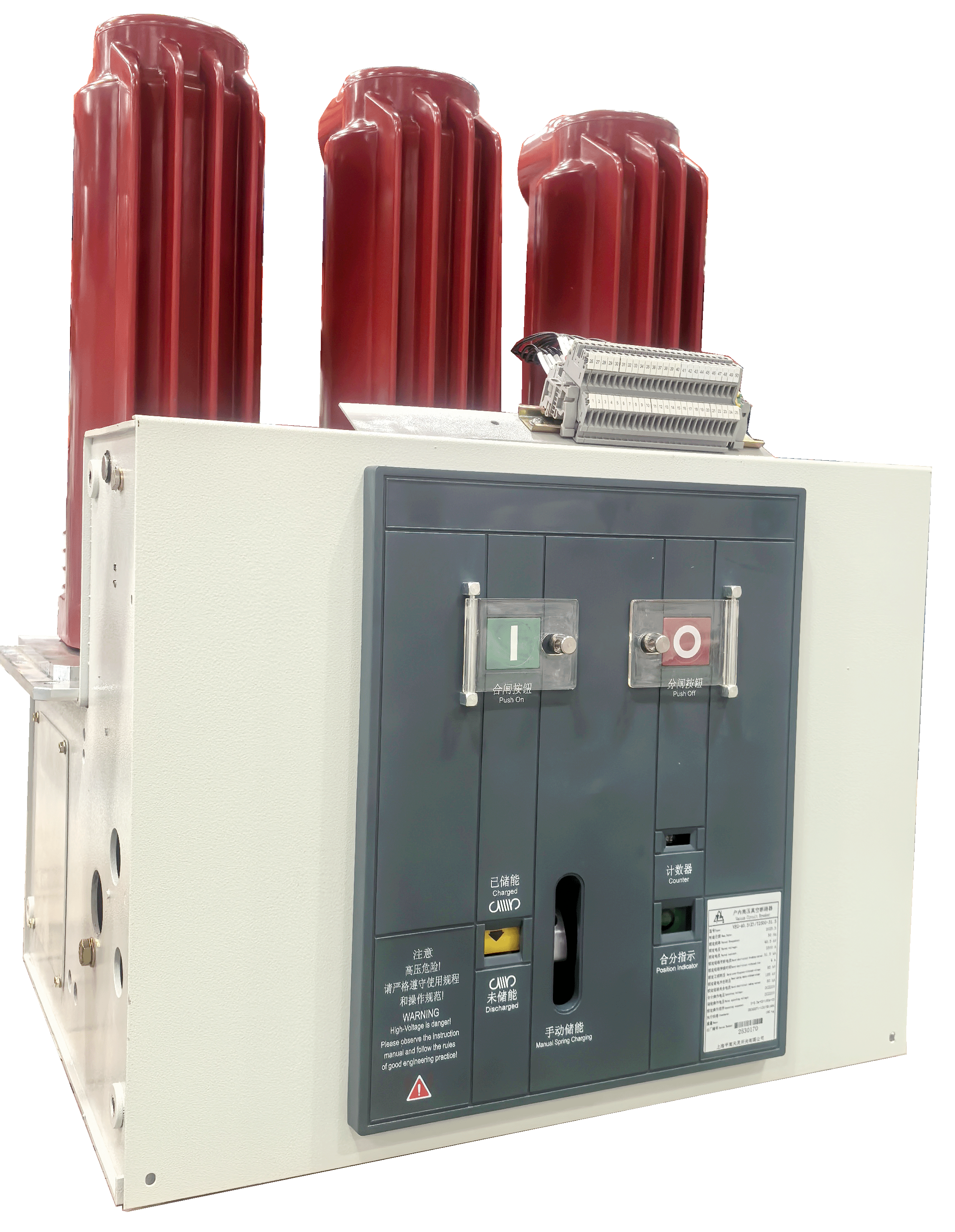
VEG-12/24/40.5 Series Vacuum Circuit Breaker
SHANGHAI PINGGAO TIANLING SWITCHGEAR CO., LTD.
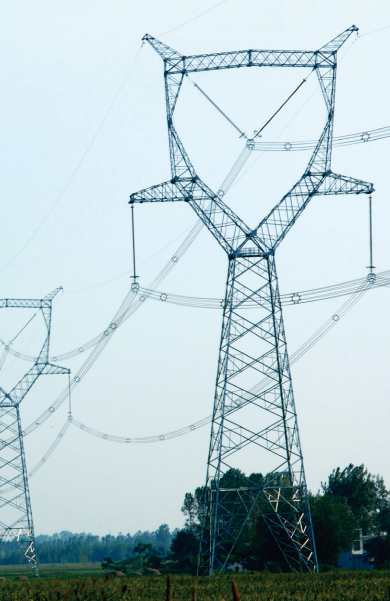
1000kV Jin Southeast-Nanyang-Jingmen UHV AC Transmission and Transformation Pilot Demonstration Project
Anhui Hongyuan Steel Tower Co., Ltd.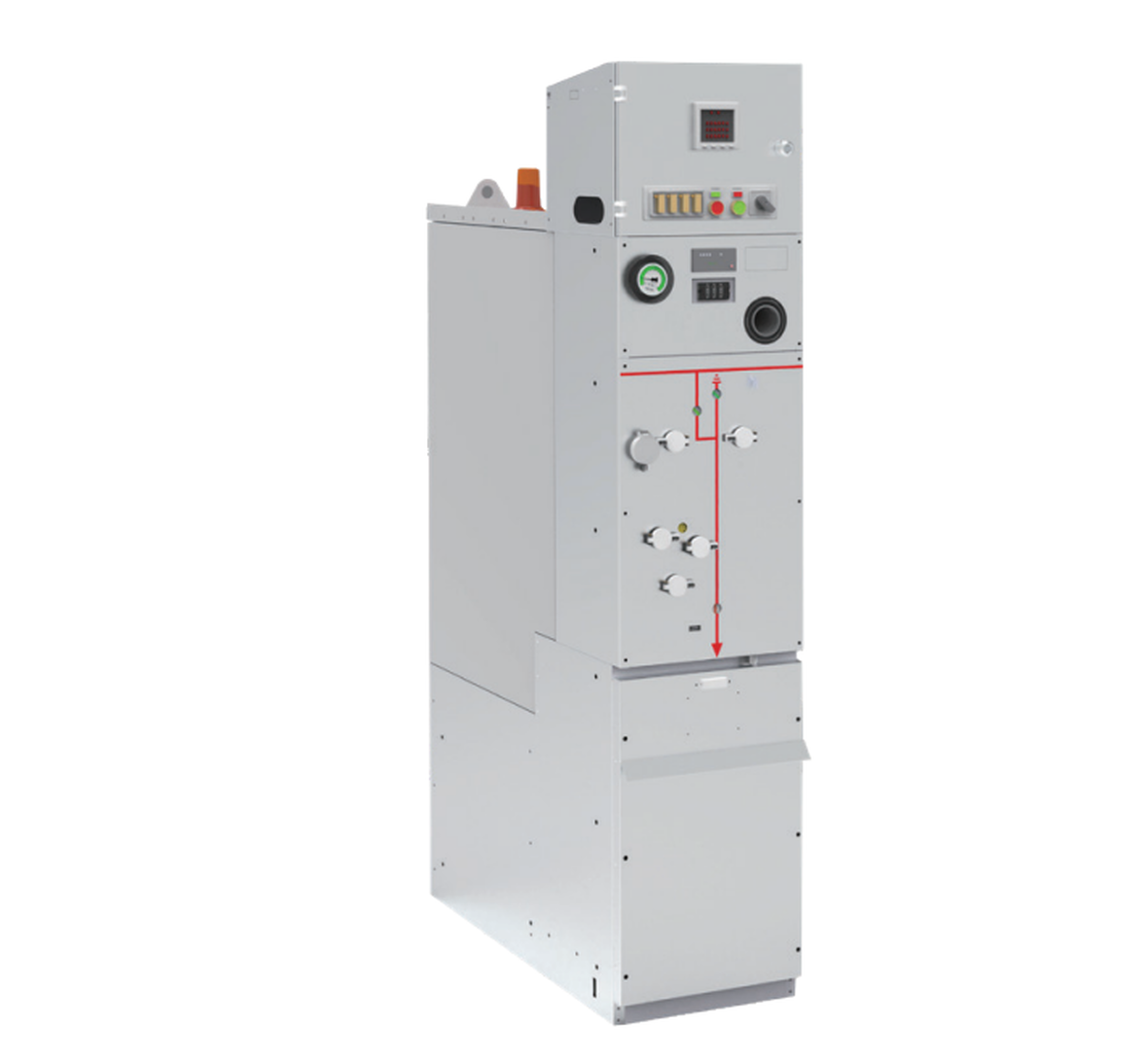
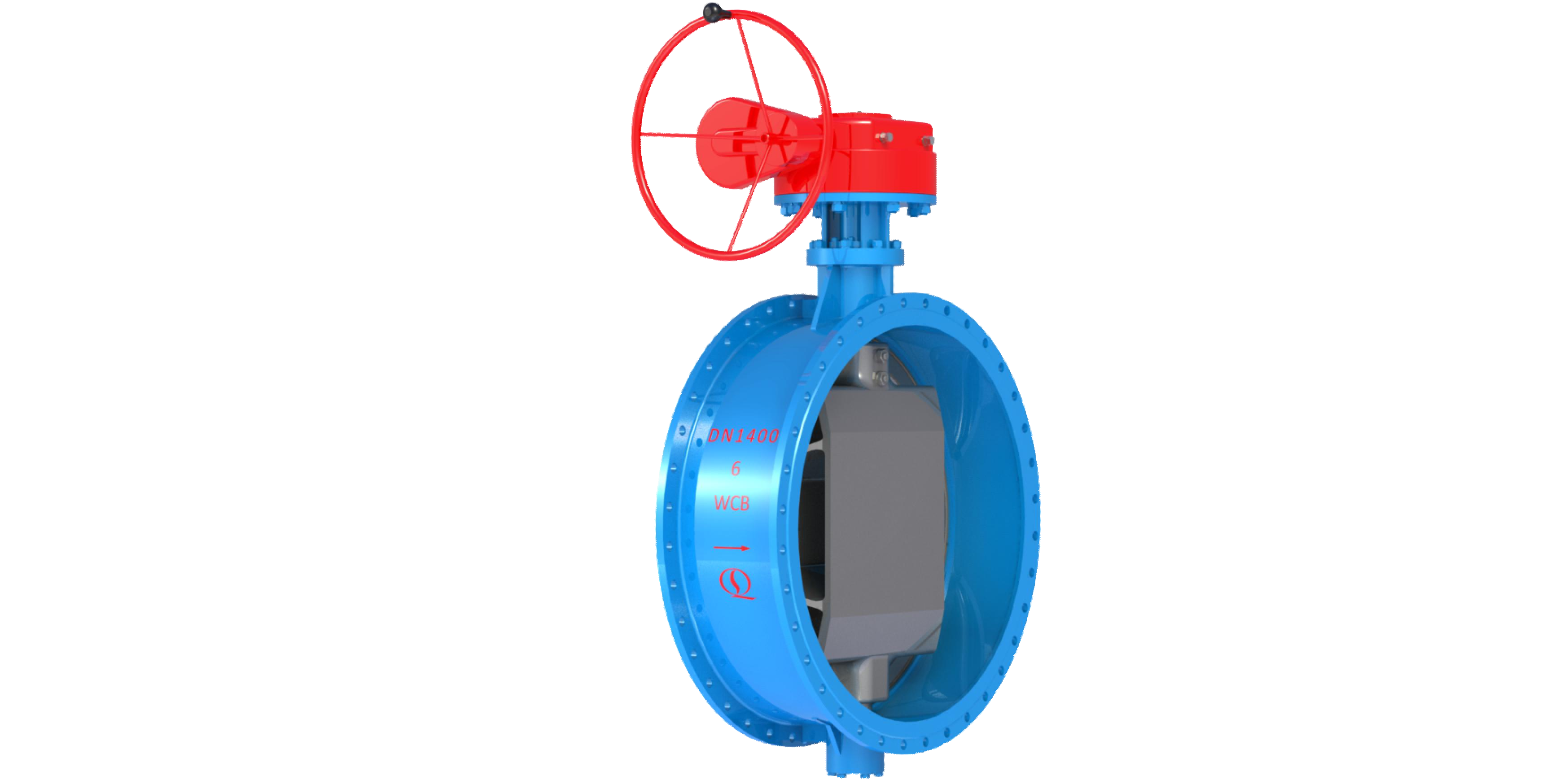
Bidirectional Metal Hard Sealed Seawater Butterfly Valve
Henan Quanshun Flow Control Science & Technology Co., Ltd.