India's First Private Orbital Rocket Vikram-1 Launched Successfully
en.Wedoany.com Reported - Indian space startup Skyroot Aerospace successfully launched the country's first private orbital launch vehicle, also the first indigenously developed orbital rocket in India.
The Vikram-1 lifted off from the Satish Dhawan Space Centre in Sriharikota at 14:35 Beijing time, executing its maiden orbital mission, "Agaman Mission," carrying multiple customer payloads and in-orbit experimental equipment. Approximately 15 minutes after liftoff, the rocket successfully deployed the payloads into a 450-kilometer orbit. Through this test flight, Skyroot Aerospace will comprehensively validate the rocket's propulsion, avionics, telemetry, guidance, navigation, and control systems, and accumulate data for subsequent commercial launches.
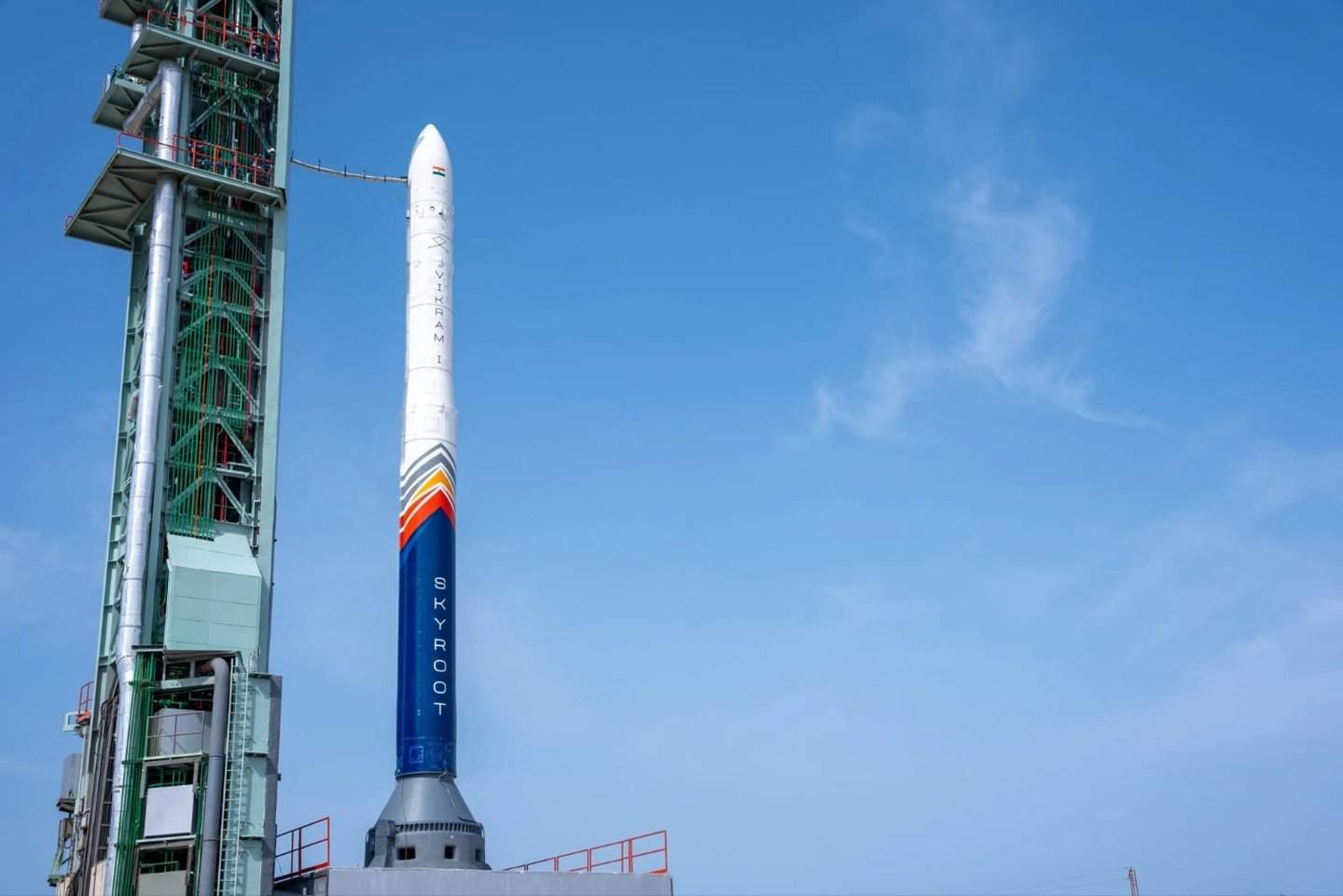
The Vikram-1 stands approximately 22 meters tall and can deliver up to 350 kilograms of payload to low Earth orbit. The rocket adopts a three-stage solid fuel design, while the orbital adjustment module uses liquid fuel and is powered by a 3D-printed engine. Both the three-stage solid fuel structure and the 3D-printed engine are being flight-tested for the first time in India. With this achievement, India becomes the third country globally to achieve orbital launch through a private enterprise.
Founded in 2018, Skyroot Aerospace is one of the new-generation startups that emerged after the opening of India's space sector, and has received support from multiple international investment institutions. Earlier this year, its valuation reached $1 billion (approximately RMB 6.785 billion), making it the first Indian space company to join the unicorn club. The rocket carried multiple experimental and commercial payloads provided by Indian and overseas institutions, including technology demonstration satellites and in-orbit experimental equipment. The Indian government aims to expand the country's space economy from its current size of about $8 billion to $44 billion (approximately RMB 298.522 billion) by 2033, driven by private enterprises.
Related Products

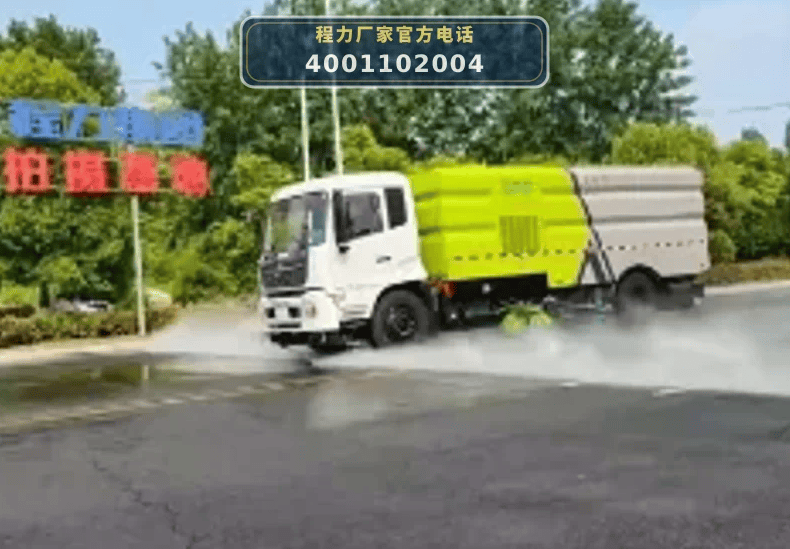
CLW5180TXSD6 Dongfeng Tianjin Washing and Sweeping Truck
ChengLi Special Automobile Co., Ltd.
ERW Welded Pipe (Black Pipe and Hot-dip Galvanized Steel Pipe)
Handan Zhengda Steel Pipe Co., Ltd.



One-Stop Steward Service for the Entire Logistics System Integration Chain
Zhongding Intelligent (Wuxi) Technology Co., Ltd.