en.Wedoany.com Reported - Breeze Airways launched 19 new and resumed routes within 72 hours, marking one of the largest network expansions since the airline began operations in 2021. The expansion from July 1 to 3 increased the airline's July flight schedule to approximately 266 daily departures, up about 44% from the same period last year. CEO David Neeleman believes Breeze Airways can achieve profitability in markets with as few as 10 passengers per day in one direction, a philosophy underpinning this expansion.
Of the 19 new routes, 13 have no direct competition from other airlines, with some restoring connectivity lost after Spirit Airlines ceased operations in early 2026. Rather than competing on congested hub-to-hub routes, Breeze Airways uses the Airbus A220 to connect secondary airports, which are often deemed too small for direct service by major carriers. The airline has built a network centered on markets with limited competition and relatively stable demand.
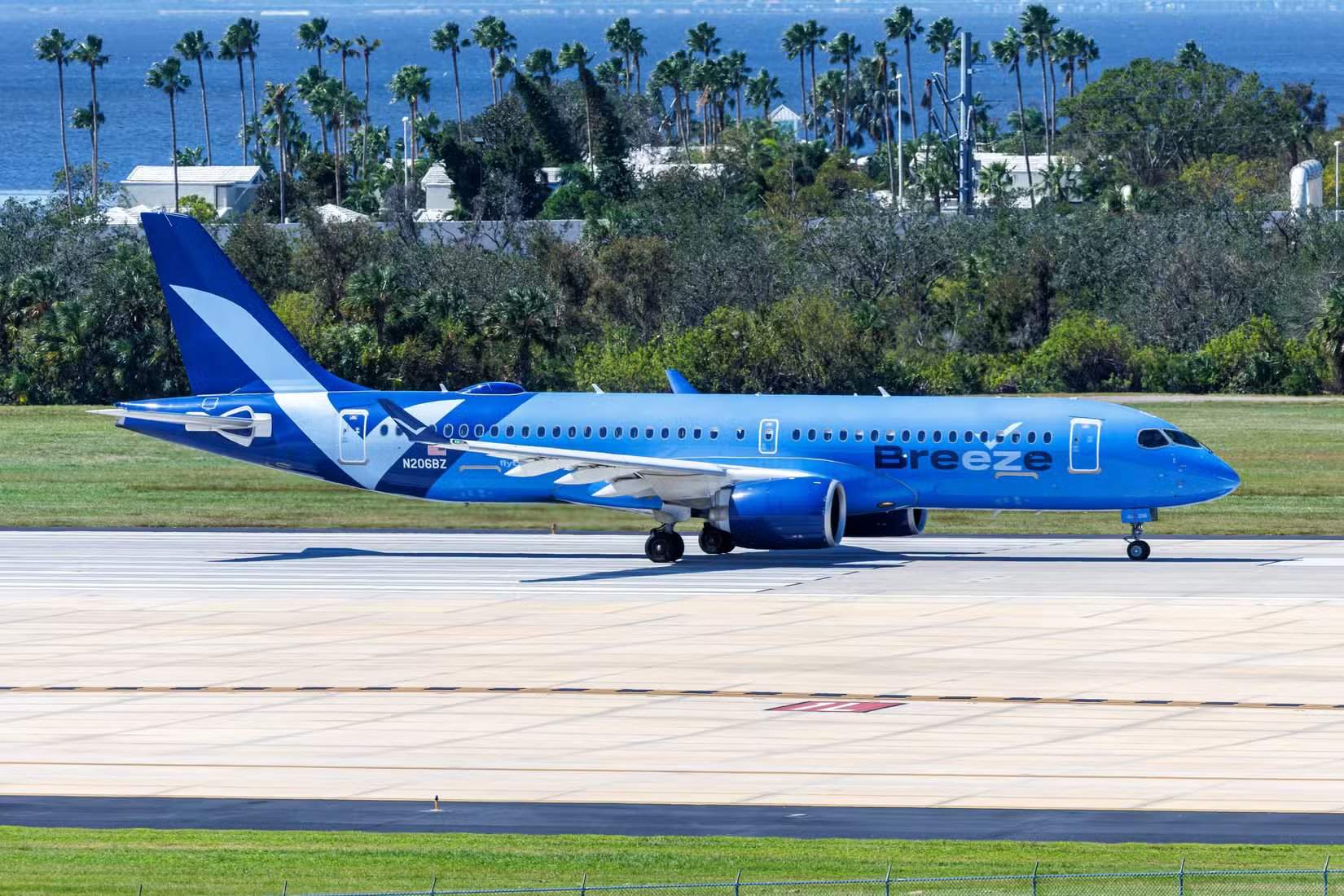
This expansion is one of the largest coordinated network expansions by Breeze Airways. Launching 19 routes in three days equates to more than six routes every 24 hours. By July 2026, operations grew to approximately 266 daily aircraft movements, a year-over-year increase of about 44%. The expansion focused on secondary airports, with Fort Lauderdale gaining multiple new destinations. First-ever direct routes, such as Akron-Canton Airport to Portland International Jetport and Fort Lauderdale-Hollywood International Airport to Salisbury-Ocean City-Wicomico Regional Airport, demonstrate the airline's willingness to enter markets previously lacking scheduled direct service. According to Aviation Magazine, approximately 68% of the new routes are monopoly routes.
David Neeleman's claim of achieving profitability in markets with 10 passengers per day in one direction does not mean each flight carries only 10 passengers, but rather measures the typical average daily travel volume between two cities. Traditional hub airlines typically require sufficient demand to support multiple daily frequencies, while Breeze Airways only needs enough weekly demand to support a few direct flights. This allows the airline to identify hundreds of overlooked markets, creating opportunities that larger operators might consider too small.
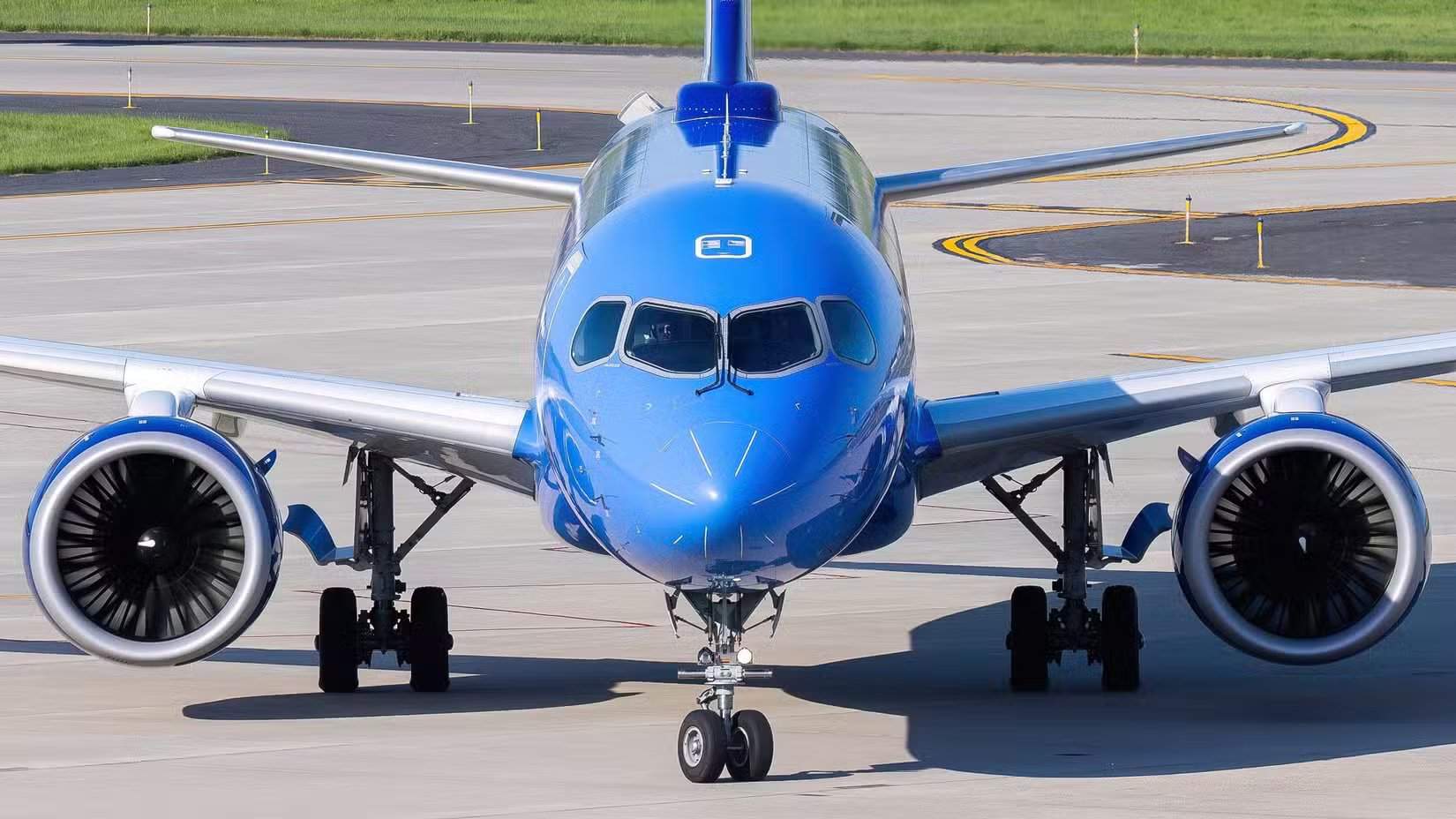
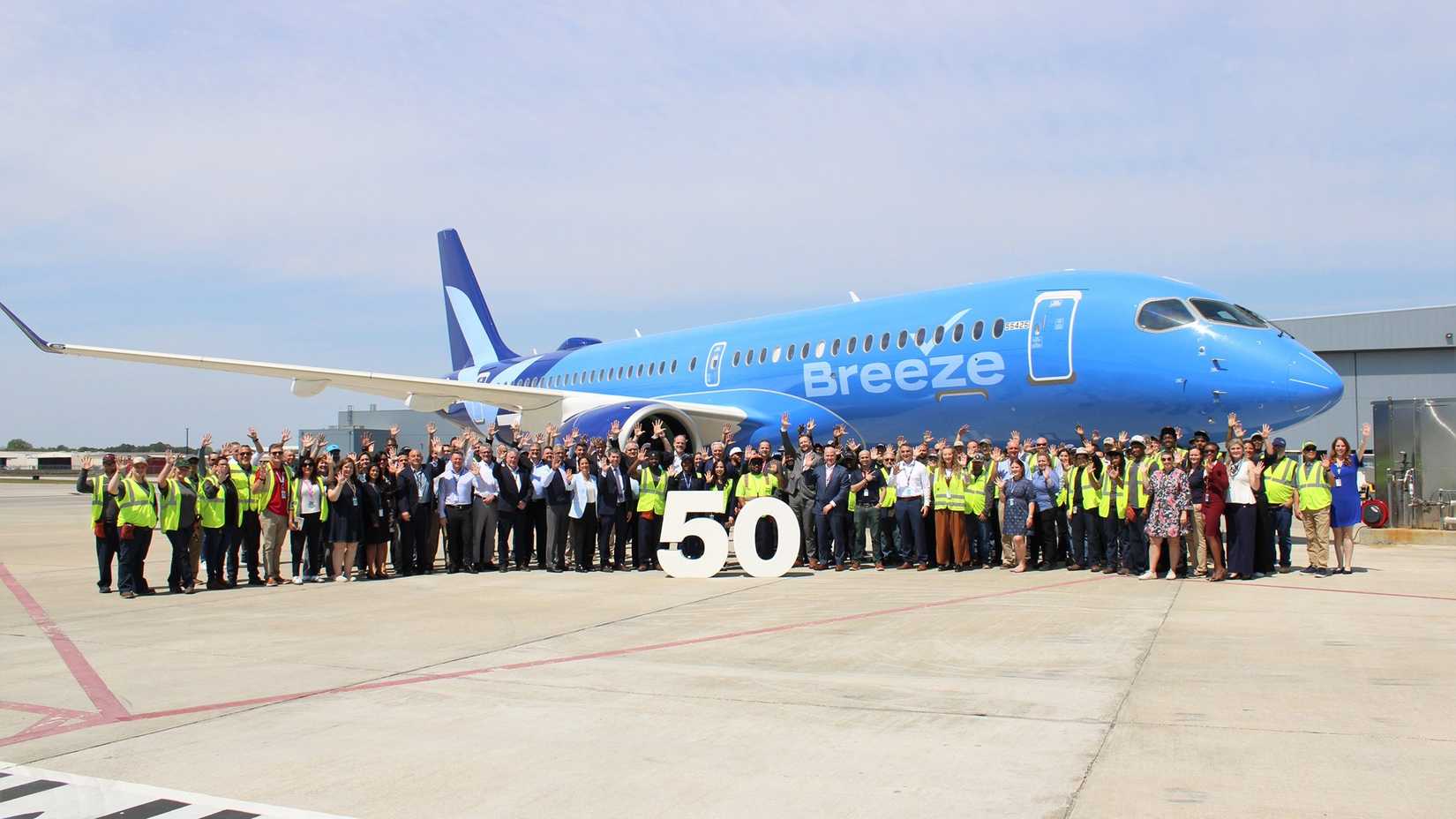
The Airbus A220-300, configured with 137 seats, combines lower operating costs with a range of approximately 3,450 nautical miles (6,390 kilometers), enabling direct flights between cities that previously required connections through major hubs. Powered by the Pratt & Whitney PW1500G geared turbofan engine, the aircraft consumes less fuel than many older aircraft of similar size, while reducing maintenance needs and airport-related costs. Lower segment costs allow Breeze Airways to schedule several flights per week without requiring extremely high load factors. Revenue sources also include a premium cabin called Ascent, bundled fares, seat selection, checked baggage, and other ancillary products, with these additional revenues helping to offset the challenges of operating in smaller markets.
Breeze Airways' expansion comes amid significant changes in the U.S. airline industry. Major carriers are increasingly concentrating on the largest hubs, reducing service to regional airports. The retirement of 50-seat regional jets, such as the Bombardier CRJ200 and Embraer ERJ-145, has made serving low-demand routes more difficult. The closure of Spirit Airlines in May 2026 accelerated these changes. Breeze Airways can enter multiple markets where passenger demand exists but airline competition has disappeared. Secondary airports offer lower landing fees, shorter taxi times, and less air traffic congestion, improving aircraft utilization and reducing delays.
Of the 19 routes launched from July 1 to 3, 13 are operated exclusively by Breeze Airways, with nearly 68% of the new services having no direct flight alternatives from other airlines. The airline has created direct markets that did not previously exist, attracting passengers who would otherwise connect through larger hubs or not travel at all. Limited competition gives Breeze Airways greater pricing flexibility, and passengers value the time savings and convenience of direct flights, making moderate fare premiums more acceptable. Operating monopoly routes also brings advantages such as lower marketing costs and the ability to tailor flight schedules to local demand.
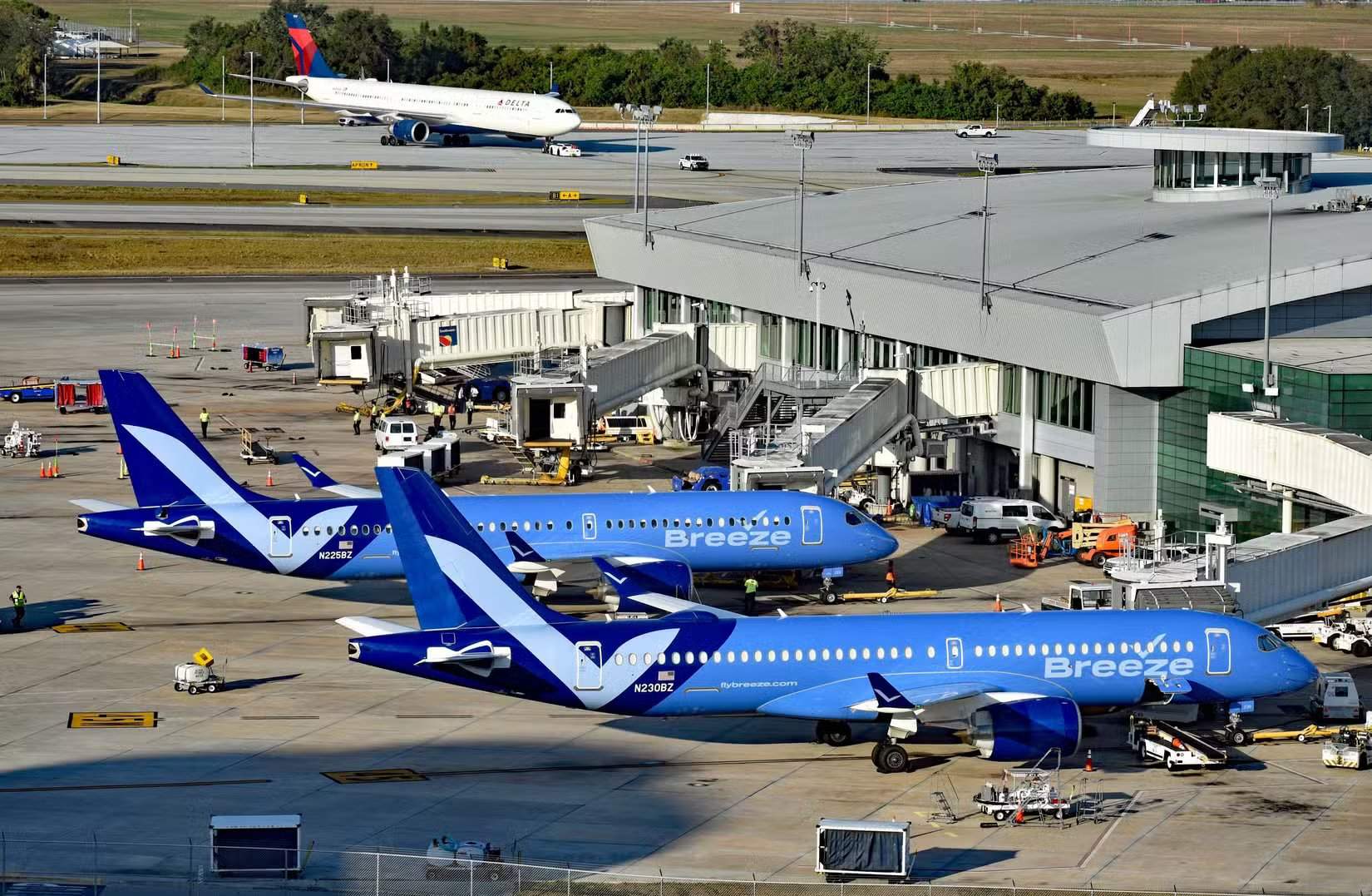
Neeleman estimates that approximately 3,500 U.S. city pairs have sufficient demand to support Breeze Airways' operating model. The airline currently serves about 280 of those markets, entering only about 8% of the long-term opportunity. Breeze Airways operates over 50 A220s, with dozens more aircraft scheduled for delivery in the coming years. Each new aircraft can open entirely new routes or increase frequency on markets exceeding demand expectations. The strategy is not to directly compete with the largest U.S. airlines on saturated routes, but to build scale through hundreds of tiny markets that collectively represent millions of passengers annually.