Dutch and German Companies Jointly Launch zepp.G240 Stationary Power Generation Equipment
en.Wedoany.com Reported - Dutch company zepp.solutions and German EKPO Fuel Cell Technologies (EKPO) have jointly launched a new generation of zero-emission stationary power generation equipment, the zepp.G240. The core of this equipment utilizes EKPO's NM12-twin fuel cell stack, specifically designed for heavy industrial applications, providing stable off-grid power supply.
Global climate protection and energy supply security demands are driving the development of hydrogen technology. Against this backdrop, EKPO and zepp.solutions have deepened their cooperation to launch high-power generation equipment such as the zepp.G240. The entire product adopts EKPO's proton exchange membrane fuel cell technology, which can replace traditional diesel generators, offering a viable path for industrial decarbonization.
The new generation of zero-emission stationary power generation equipment released by Dutch company zepp.solutions is powered by EKPO's NM12-twin fuel cell stack. This stack features high power density, excellent operational efficiency, and durability, optimized for demanding industrial scenarios. Dr. Stefan Dwenger, Managing Director of EKPO, stated that the company's fuel cell technology is not only used in the transportation sector but can also create high-power off-grid power supply solutions. The NM12-twin stack platform provides partners with the technological foundation for zero-emission equipment that can replace diesel generators.
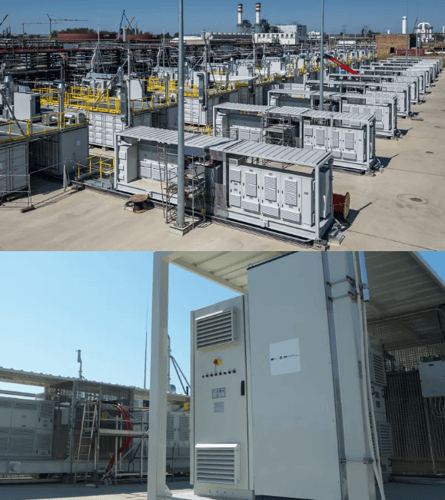
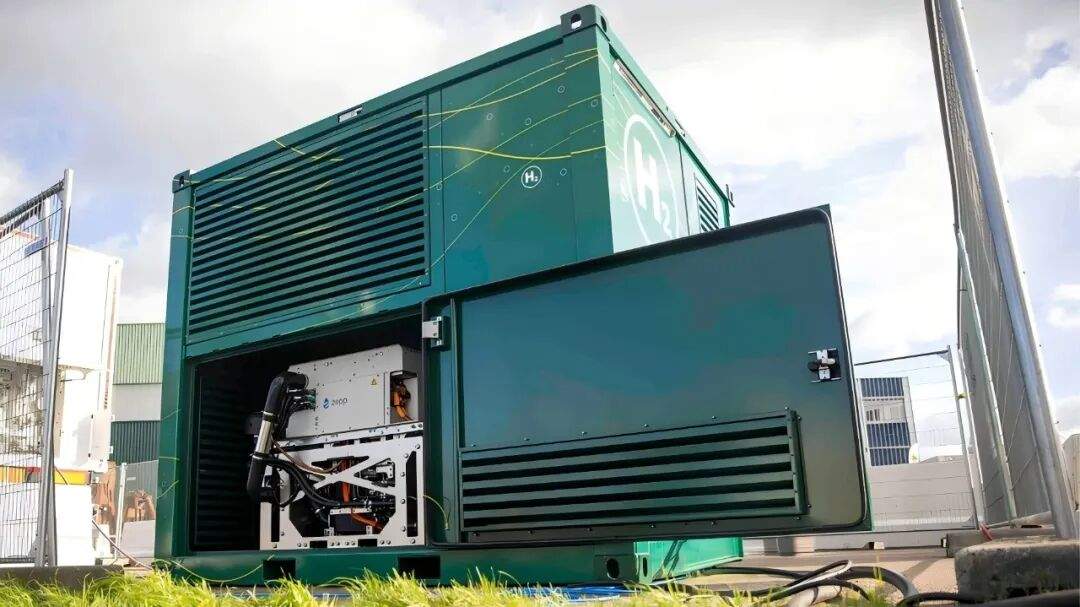
The NM12-twin stack is highly integrated and compact, directly adaptable to a 10-foot standard container, facilitating the construction of efficient energy supply systems. The stack incorporates a complete anode recirculation loop, making the product mature and reliable with stable performance under long-term operating conditions. Based on the EKPO stack, zepp.solutions' equipment can achieve high output power with low hydrogen consumption, reducing operation and maintenance costs.
Jonas Brendelberger, Chief Commercial Officer of zepp.solutions, introduced that the power output level of the zepp.G240 power generation equipment is comparable to traditional diesel generators. The entire equipment is housed in a 10-foot standard container, and the platform supports capacity expansion. The peak power of the 10-foot container can reach up to 500 kilowatts, while the 20-foot container can exceed 1 megawatt. The entire system operates with high efficiency, with power generation costs on par with diesel generators, and produces no carbon dioxide, nitrogen oxides, or particulate matter pollutants. The equipment features low noise and vibration, making it suitable for deployment in urban and environmentally sensitive areas. The electrical architecture supports both AC and DC power usage, with an optional CCS2 fast charging interface. The unit is equipped with an integrated energy storage battery, allowing autonomous startup without connection to an external power grid. A standard 40-foot container can store up to 15 megawatt-hours of zero-emission energy.
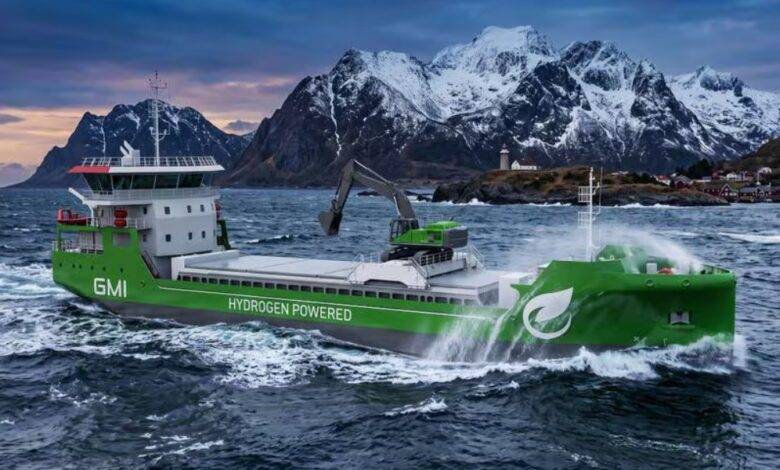
A project has already been implemented in the Netherlands: zepp.solutions provided a 10-foot containerized power generation unit, equipped with an EKPO stack, for the country's first fully electric cable-laying crane vessel, "Prins ZEs." This unit can generate power off-grid at the worksite and charge the vessel's 2 megawatt-hour energy storage battery at night, ensuring zero-emission operations for the vessel the following day.
About EKPO Fuel Cell Technologies (EKPO): Headquartered in Dettingen/Erms, Germany, it is a joint venture between two automotive parts companies, ElringKlinger and OPmobility. The company focuses on the research, development, and mass production of fuel cell stacks, with products covering passenger cars, trucks, buses, rail transit, and marine applications.
About zepp.solutions: Specializing in the development of hydrogen power generator sets and fuel cell systems, the company provides zero-emission power supply solutions. Its stationary power generator sets cover a power range from 150 kilowatts to several megawatts, with flexible scalability for applications such as construction sites, charging stations, large events, and offshore operations. The company also supplies fully integrated fuel cell systems ranging from 50 to 150 kilowatts, suitable for heavy-duty transportation and industrial sectors.
Related Products

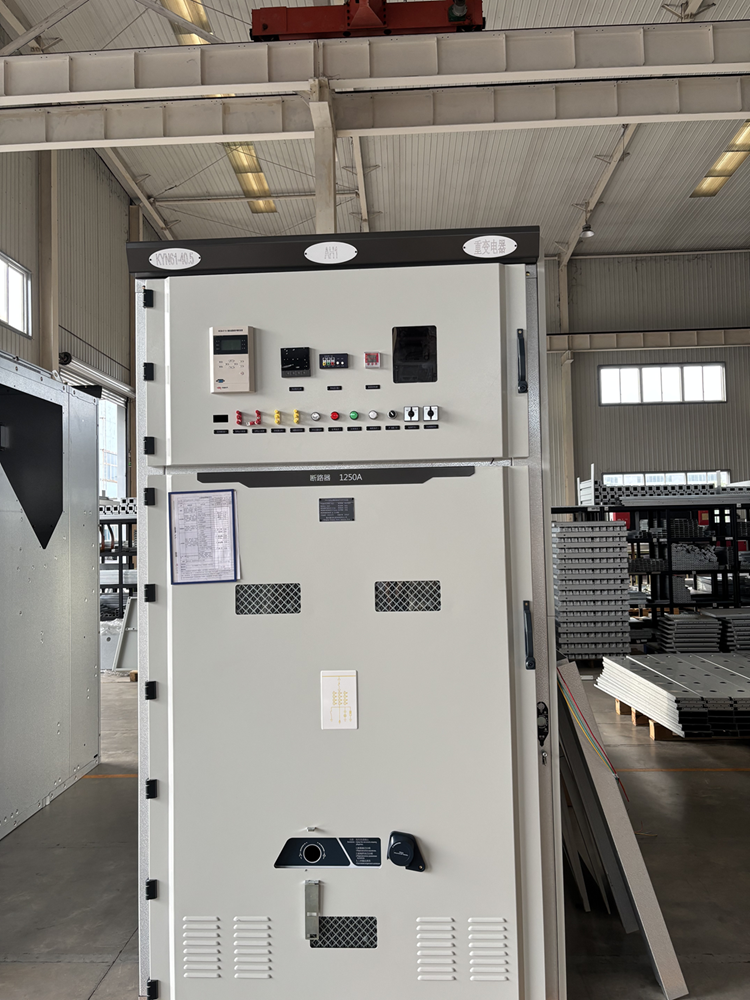
KYN61-40.5 Indoor AC Metal-clad Removable Switchgear
Chongqing Transformer Co., Ltd.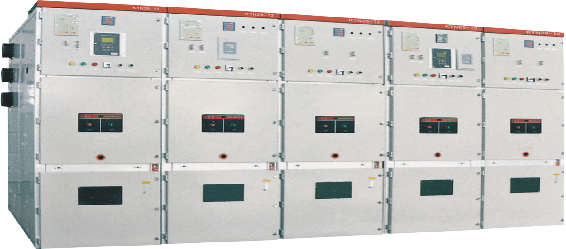
KYN28-12/24 Indoor High-Voltage Metal-Clad Removable Switchgear
Shenzhen Zhaoyang Hui Technology Co., Ltd.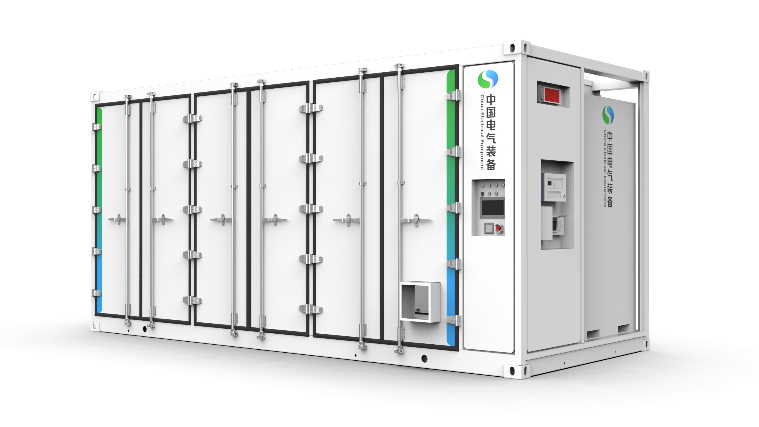
MESS8201-2507/5015-BN Prefabricated Liquid-cooled Energy Storage Battery Container
Xuchang Xuji Electric Science Energy Storage Technology Co., Ltd.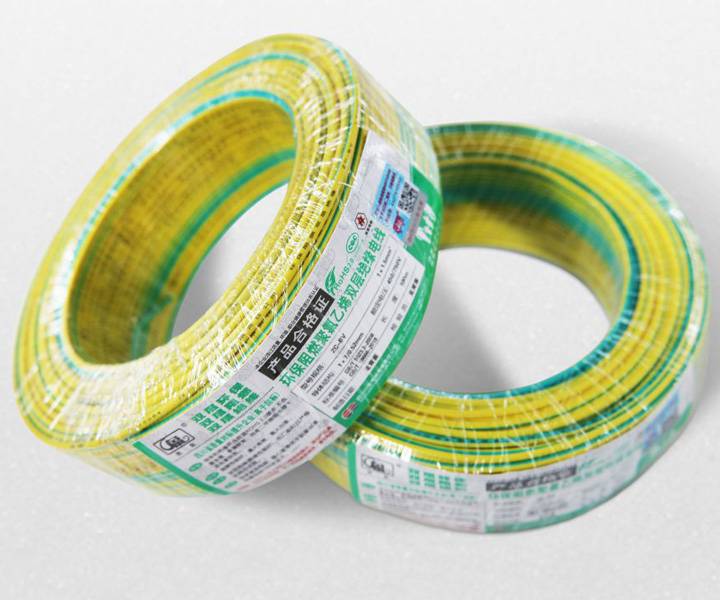
Environmentally Friendly Flame-retardant PVC Double-layer Insulated Wire
Sichuan Chndo Cable Co., Ltd.

Pneumatic high-pressure wear-resistant ball valve
Zhejiang Deca Control Valve Meter Co., Ltd.
Standard Nozzle Flowmeter
Jinggong Automatic Control Instrument Complete Technology Development Company