French NamX Develops Hydrogen-Powered Car with 1,500 km Range and 5-Second Refueling
en.Wedoany.com Reported - French-Moroccan startup NamX is developing a hydrogen-powered concept car called the NamX HUV, which claims a maximum range of 1,500 kilometers (approximately 932 miles) and a refueling time of just 5 seconds. Its core technology utilizes a fuel cell and combines traditional hydrogen storage tanks with interchangeable hydrogen capsules, aiming to reduce reliance on fixed hydrogen refueling stations.
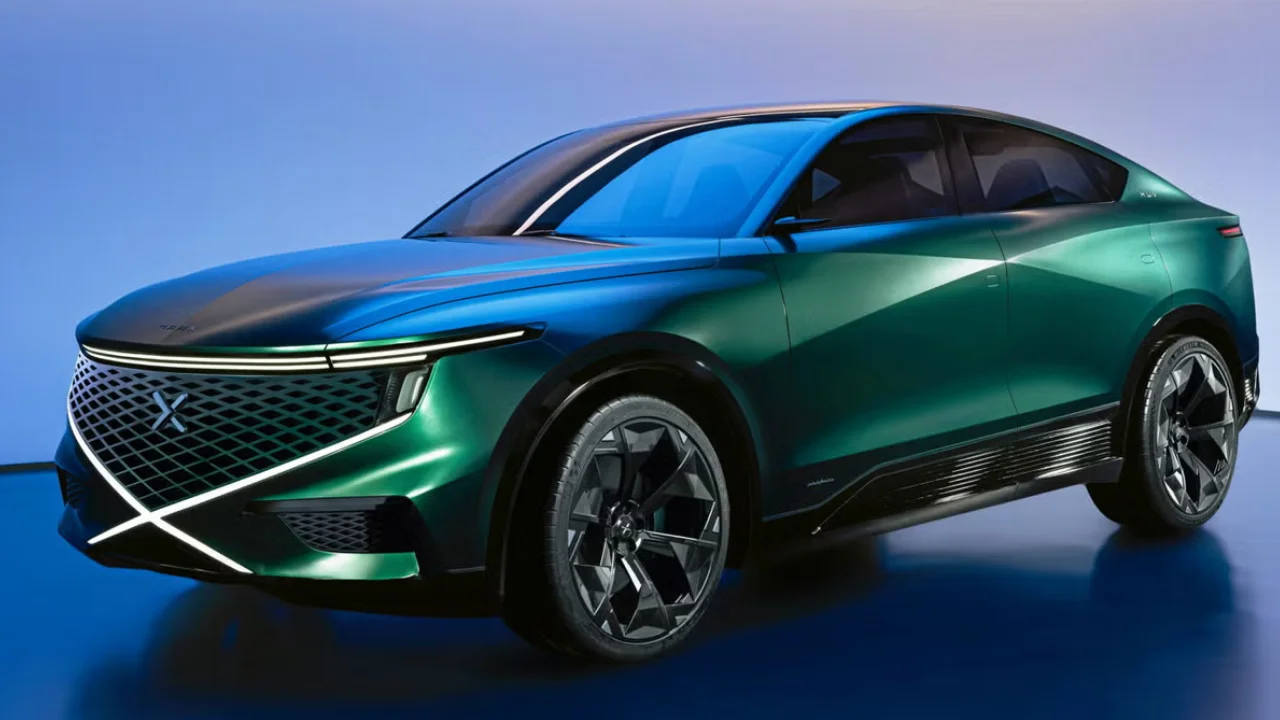
This interchangeable capsule system differentiates NamX from many hydrogen-powered vehicles, with the concept of enhancing fuel portability and providing an alternative solution during the underdeveloped phase of hydrogen refueling infrastructure. Despite announcing these technical specifications, the NamX project is still in the early stages of development, and it remains uncertain whether the capsule system will enter large-scale implementation.
The production cost and conversion complexity of hydrogen fuel are seen as barriers to adoption, and the lack of an extensive refueling network also limits the popularity of such vehicles. Between 2018 and 2026, high production costs, fuel prices, and insufficient infrastructure have led automakers to primarily focus zero-emission projects on battery electric vehicles.
From a technological evolution perspective, hydrogen-powered cars are not a new concept. In 1966, General Motors showcased the Electrovan, described as the world's first vehicle equipped with a hydrogen fuel cell. In 2002, the Toyota FCHV and Honda FCX received government certification and were leased to public institutions in Japan and California. In 2014, the Toyota Mirai was officially launched, becoming the first mass-produced fuel cell vehicle available for retail purchase. The differentiating highlight proposed by NamX lies in its interchangeable capsule technology and the resulting reduced dependence on fixed hydrogen refueling stations.
Related Products


CAP1400 main feedwater flow nozzle flowmeter.
Jiangsu Hongda Instrument Technology Co., LTD.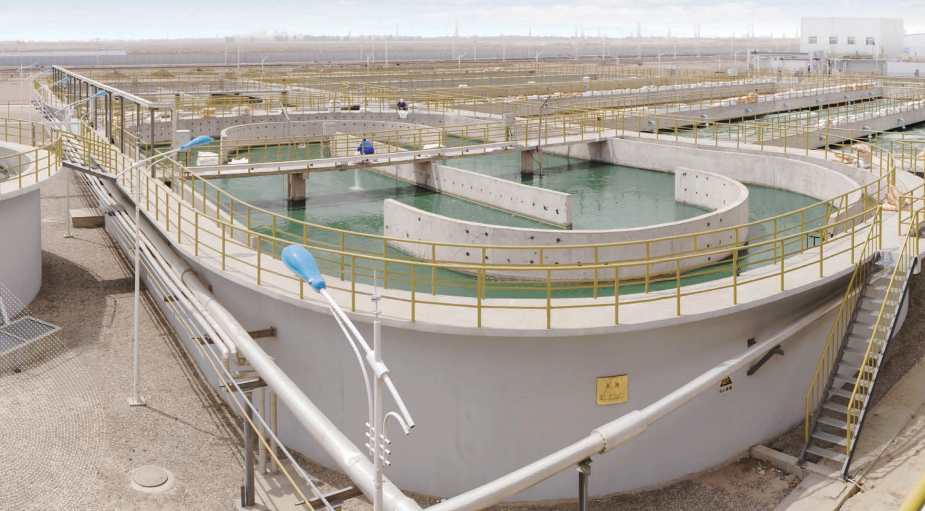
714CD Series C-Band Weather Radar
Chengdu Zhongdian Jinjiang Information Industry Co., Ltd.
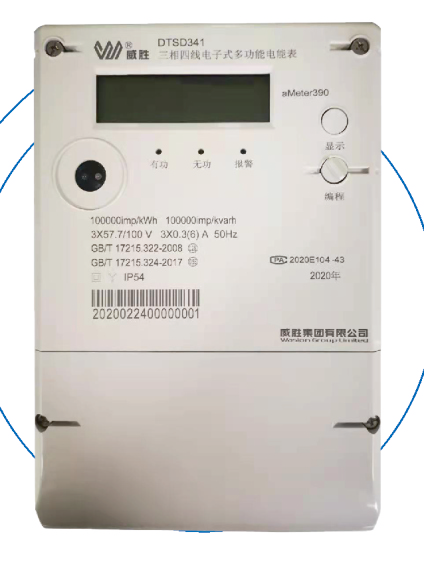
Overseas IEC Gateway Energy Meter - DTSD341/DSSD331-aMeter390
Wasion Group Limited Co., Ltd.