South Korea's SK Group: Advancing Global Site Selection for Plant Construction to Meet AI Demand
en.Wedoany.com Reported - Chey Tae-won, Chairman of South Korea's SK Group and the Korea Chamber of Commerce and Industry (KCCI), described the supply-demand imbalance in the global memory semiconductor market as "a scene of utter chaos" and publicly announced that the group is comprehensively reviewing global locations, including the United States, to build a new semiconductor production plant for SK Hynix. Speaking at a press conference during the 49th KCCI Jeju Forum held at the Jeju Shilla Hotel on July 15, Chey stated that in response to the surge in demand driven by artificial intelligence (AI), "we are searching not only in South Korea but also globally, including the U.S., for the best locations to build fabs as quickly and on as large a scale as possible," thereby expanding the production expansion framework from domestic to global.
![Chey Tae-won, Chairman of SK Group and the Korea Chamber of Commerce and Industry, speaks at a press conference during the 49th KCCI Jeju Forum held at the Jeju Shilla Hotel on July 15. [Photo provided by the Korea Chamber of Commerce and Industry]](https://img.wedoany.com/2026/0720/20260720031101154.jpg)
Chey pointed out that the core of the severe supply-demand mismatch lies in the pace of AI technology evolution outpacing the physical construction speed of semiconductor manufacturers. He provided specific data: in the AI sector alone, demand next year is expected to increase by at least 60% to 100% compared to this year, while the overall memory market will also grow by more than 50% to 60%. However, building and operating a semiconductor fab requires several years and tens of trillions of Korean won, creating high supply barriers. He warned, "Currently, almost all companies cannot immediately increase supply next year."
Chey revealed that global big tech companies and related governments are actively courting and pressuring SK Hynix from all directions to secure High Bandwidth Memory (HBM). He lamented, "Not only me, but the South Korean government is also likely to start receiving lobbying and pressure from other governments demanding the provision of semiconductors," suggesting that this battle has escalated to the level of national security. While current memory prices are at historical highs, he diagnosed this as "an abnormally high level," reasoning that although well-capitalized AI companies can bear the costs, downstream IT equipment manufacturers such as smartphones and PCs may not withstand the price increases, leading to a contraction of the entire information technology market. He warned against complacency and relying on price hikes to delay expansion, arguing that "even if profit margins decline, supply should be increased to stabilize prices, so that South Korea's semiconductor industry can sustain and develop in the long term."
Chey emphasized the keywords "speed and scale," noting that if existing dominant players like SK Hynix and Samsung Electronics allow supply shortages and insist on high-price policies, new entrants seeking profits (such as Chinese capital or other U.S. tech companies) will inevitably flood the market. His goal is to build a "super-gap capacity barrier" by exponentially increasing supply capabilities to prevent latecomers from catching up. Regarding the expansion of site selection to the U.S., including continuous pressure from senior officials such as U.S. Commerce Secretary Howard Lutnick for local semiconductor investment, Chey acknowledged, "Considering trade pressure and other issues, fabs should also be built in the U.S. as much as possible," as well as regulatory obstacles in South Korea such as water, electricity, permits, and resident compensation for domestic plant construction. He stated that the group will comprehensively compare global candidate sites based on factors such as approval speed, grid guarantees, and government subsidy scales, prioritizing "locations that can start construction the fastest," adhering to a "speed management" strategy.
Related Products
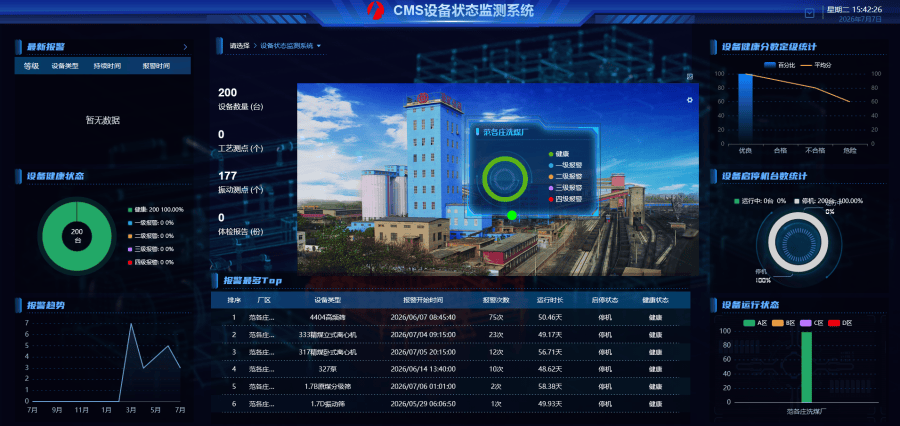


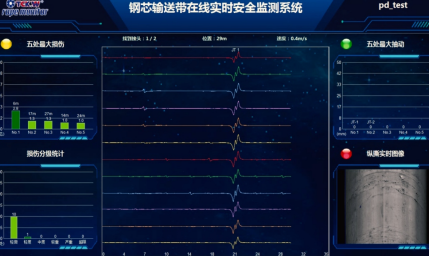
Conveyor Belt Intelligent Monitoring System
LUO YANG WIRE ROPE INSPECTION TECHNOLOGY CO., LTD.
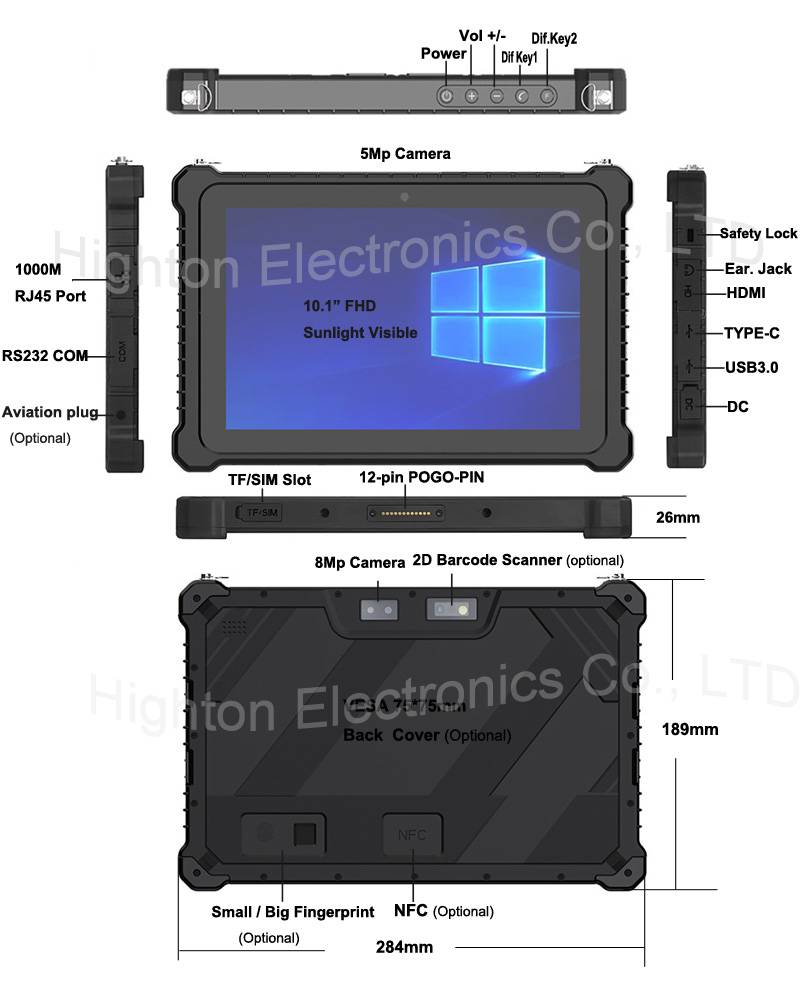
Hot Selling 10 Inch Intel N5100 I5 I7 FHD 8 +128GB 16+256GB Win10 Pro Win11 Pro 4G 5G Rugged Tablet PC Pad with NFC Barcode
Highton Electronics Co., Ltd.

D12 Humanoid Robot
Automation Research Institute Co., Ltd. of China South Industries Group Corporation
20 Inch 1600*900 Full HD 60Hz TFT LED Monitor with VGA and DP Interfaces for Desktop Computers-Business Use
Guangzhou Zanying Optoelectronics Technology Co., Ltd.