Overseas Zero-Carbon Park Projects Need System Planning and Local Operation
en.Wedoany.com Reported - As global manufacturing decarbonization, green supply chain upgrading and clean energy infrastructure development accelerate, the Zero Carbon Industrial Park is becoming an important overseas opportunity for energy equipment companies, park operators and engineering service providers. Compared with exporting solar panels, batteries, chargers or energy-saving devices separately, zero-carbon park projects require system planning, business models, local policy adaptation and long-term operation capability.
Market demand differs by region. Europe and North America often focus on carbon accounting, green electricity, energy efficiency, data disclosure and supply chain compliance. The Middle East has opportunities in industrial cities, renewable energy bases and hydrogen projects, with strong attention to clean energy supply and water efficiency. Parts of Southeast Asia, South Asia, Africa and Latin America are building industrial parks and receiving manufacturing investment, where customers may focus on reliable power, lower energy costs, foreign investment attraction and better infrastructure.
The first barrier is localized energy planning. Tariff structures, green power policies, grid connection rules, land conditions, climate resources and tenant energy profiles vary from country to country. A solar-storage-charging solution that works in one park may not be directly suitable for parks in the Middle East, Southeast Asia or Europe.
Project developers must redesign the energy system according to local solar resources, grid stability, natural gas prices, water availability, load curves and policy incentives. The second barrier is operation capability. A zero-carbon park does not achieve its target simply after construction. It requires energy dispatch, equipment maintenance, carbon data accounting, tenant service, green power procurement and revenue allocation.
Overseas projects also involve multilingual documentation, local maintenance teams, regulatory communication, financial institution review and tenant attraction. Without local operation capability, projects may face idle equipment, unstable returns or unverifiable low-carbon data.
In the future, international zero-carbon park business will move from equipment package sales to low-carbon industrial infrastructure delivery. Companies with capabilities in renewable energy, grids, storage, energy management, carbon management, water circularity, park investment attraction and local service will be better positioned in high-quality overseas projects. As global supply chains move toward lower-carbon models, zero-carbon industrial parks will become an important carrier for industrial upgrading and green manufacturing globalization.
Related Products


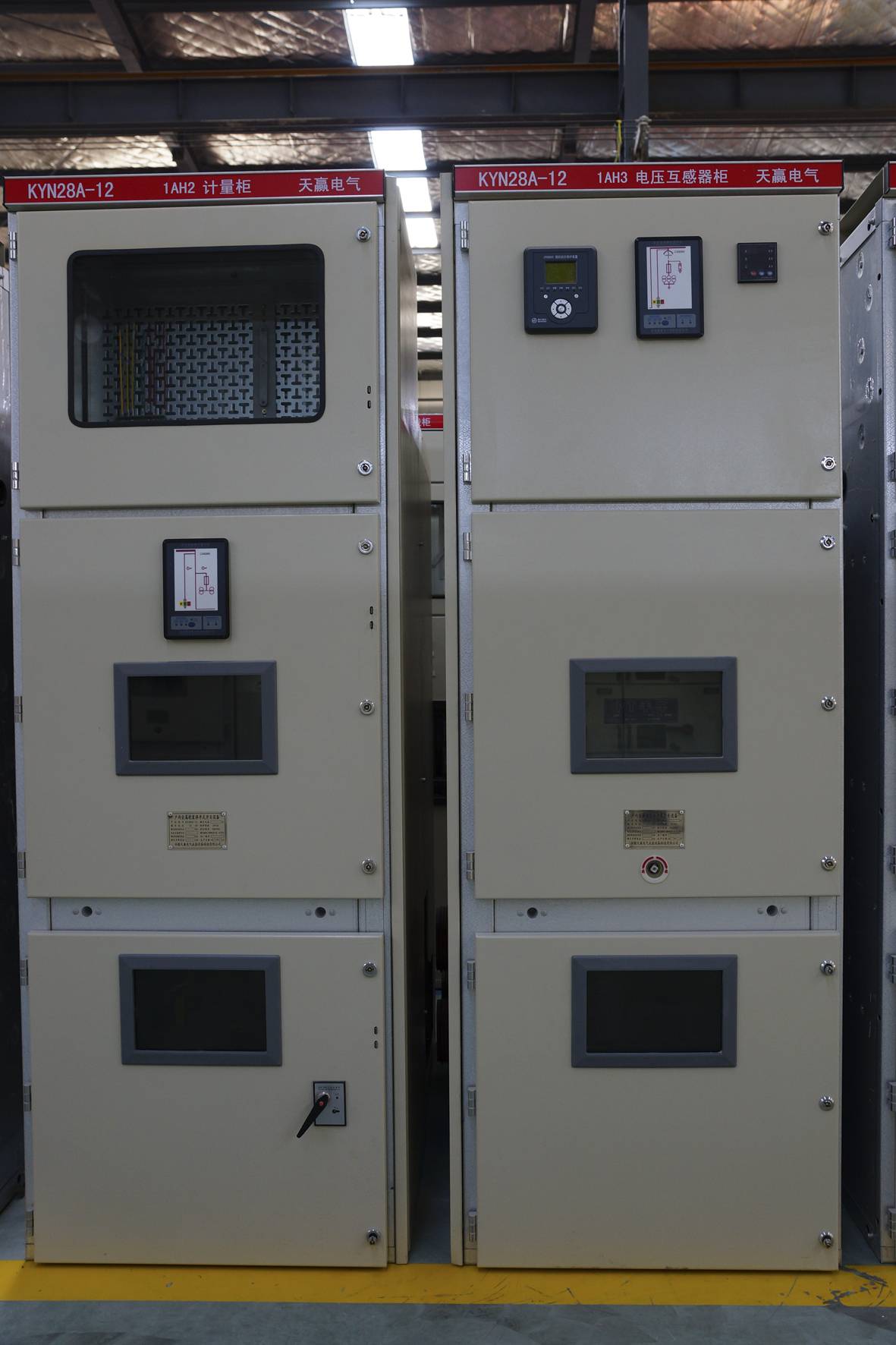
KYN28 - High Voltage Switchgear
Anhui Tianying Electrical Equipment Manufacturing Co., Ltd.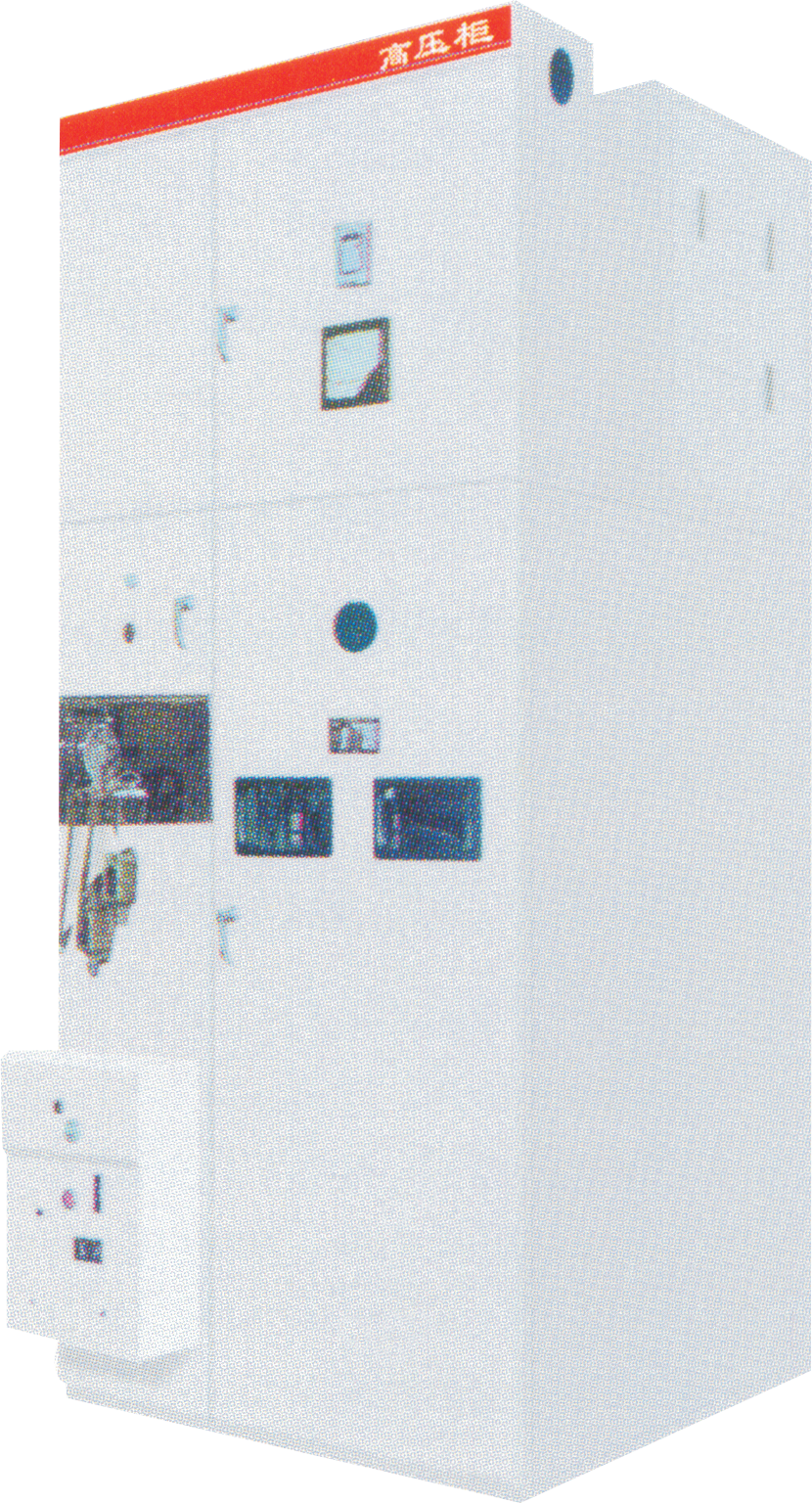
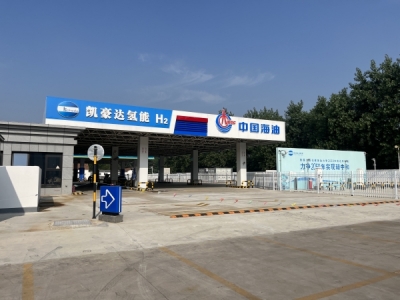
Hydrogen production and hydrogenation charging refueling gas integrated energy station
Shenzhen Kohodo Hydrogen Energy Co., Ltd.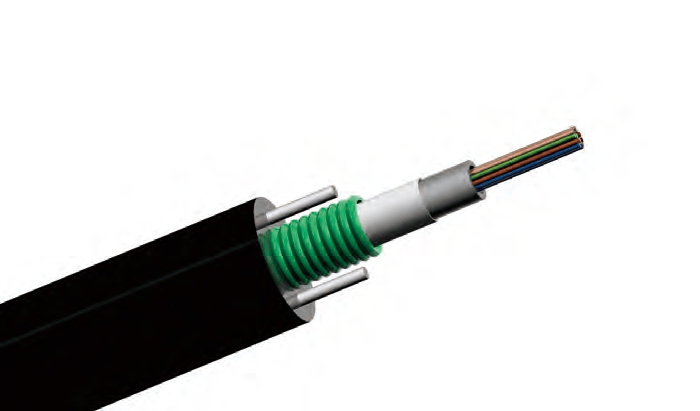
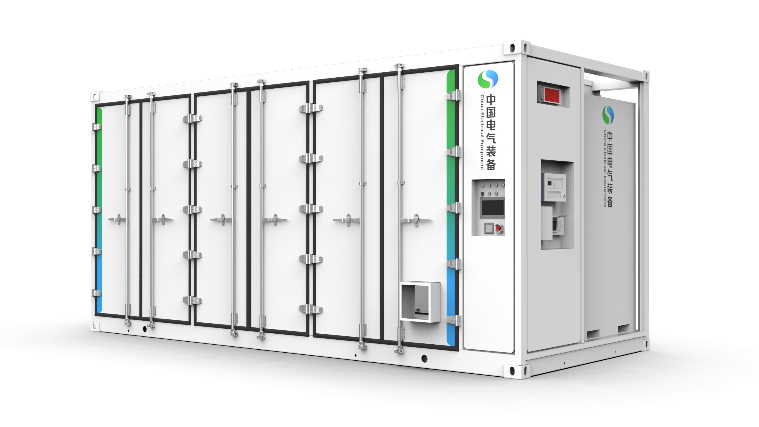
MESS8201-2507/5015-BN Prefabricated Liquid-cooled Energy Storage Battery Container
Xuchang Xuji Electric Science Energy Storage Technology Co., Ltd.