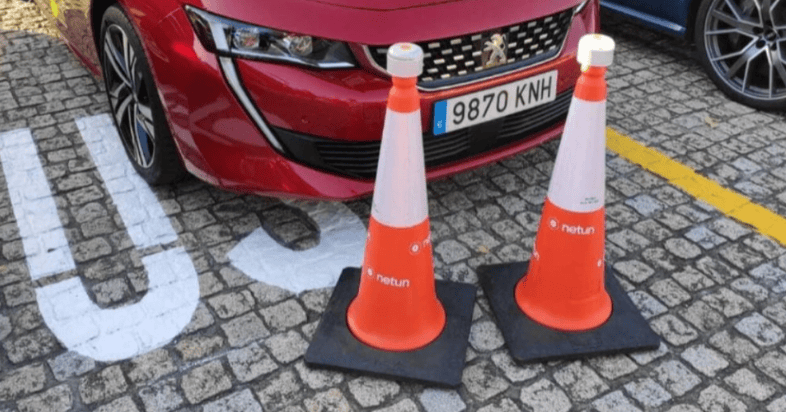
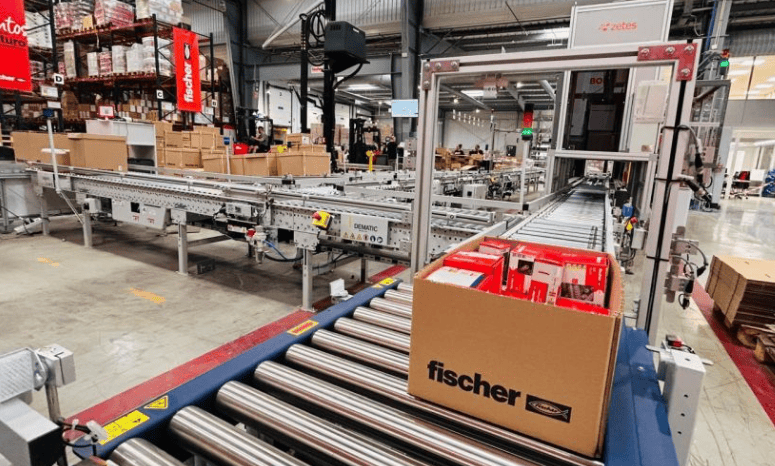
en.Wedoany.com Reported - Vitoria-Gasteiz, Spain, has launched a comprehensive plan to optimize urban goods distribution by building urban micro-hubs, implementing a low-emission zone, and promoting the DataDUM data project. The goal is to address the growth in distribution activities without sacrificing the quality of life in the city center, achieving a more efficient and sustainable urban logistics model.
One of the core elements of this strategy is the San Martín micro-hub, designed as a consolidation and redistribution center for goods before they enter the city center. This model can reduce the number of delivery trips within the central superblock, promote the use of more sustainable transport modes, and achieve more efficient last-mile delivery. This initiative complements the Low Emission Zone (ZBE), which came into effect in 2025 and regulates access for specific vehicles to the city center to reduce polluting emissions and improve environmental quality.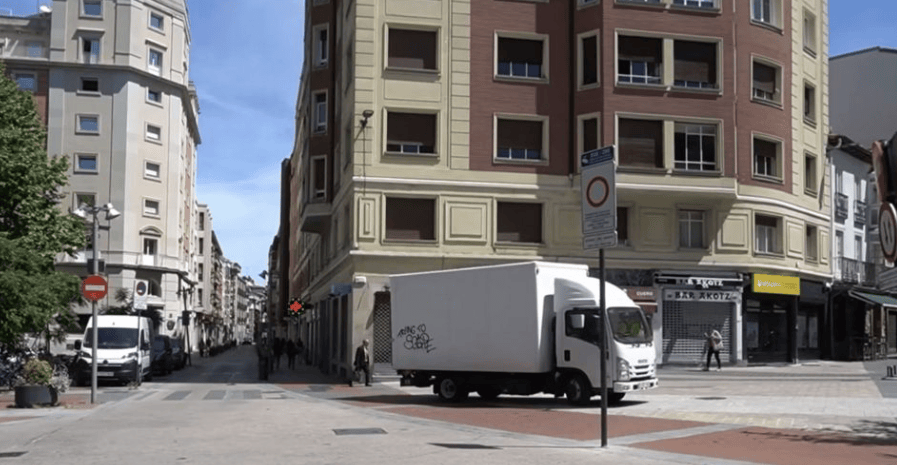
The third part of this model is the DataDUM project, which leverages data exchange between the government and logistics operators to improve urban goods distribution management. The project pursues measurable goals, such as increasing compliance with loading and unloading regulations, optimizing parking space usage through real-time information, improving route planning, reducing waiting times, and adapting logistics solutions to the needs of each type of delivery. The project is committed to data-driven management to improve operational efficiency and better utilize public space without increasing restrictions.
These initiatives are part of Mobility Lab Vitoria-Gasteiz, an innovation space designed to identify, develop, and validate advanced solutions in urban mobility and logistics. Currently, the lab has 28 organizations that have joined its data space, including public administrations, businesses, logistics operators, universities, and technology centers, all collaborating on pilot projects related to electric mobility, last-mile logistics, low-emission zones, sustainable public transport, and bicycle mobility. The industrial and technological ecosystem of the province of Álava is one of the main assets of this initiative. Companies such as Mercedes-Benz, Michelin, Talgo, and BH, along with research institutions like CIC energiGUNE, Basquevolt, and the University of the Basque Country (Universidad del País Vasco), combined with logistics infrastructure such as Arasur, the Vitoria Transport Centre (Centro de Transportes de Vitoria), Foronda Airport, and the Jundiz Intermodal Terminal, make the region an ideal environment for testing new mobility and urban distribution models. Furthermore, Álava's strategic location within the Trans-European Transport Network (TEN-T) corridors, along with Vitoria-Gasteiz's track record as the European Green Capital, a Global Green City, and a member city of the EU's 100 Climate Neutral and Smart Cities mission, further strengthens its role as a testing ground for European projects in urban logistics.