China to Build National-Level Zero-Carbon Factories and Zero-Carbon Computing Facilities
en.Wedoany.com Reported - Today (July 22), the "Notice on Organizing the Construction of National-Level Zero-Carbon Factories" (hereinafter referred to as the "Notice") was officially released, marking the launch of China's efforts to build national-level zero-carbon factories and zero-carbon computing facilities.
The construction of zero-carbon factories refers to the process of continuously reducing carbon dioxide emissions within defined boundaries and gradually approaching near-zero levels through emission reduction measures such as technological innovation, structural adjustment, and management optimization.
The Notice specifies the application requirements for national-level zero-carbon factories, selecting manufacturing enterprises and computing facilities that have a certain foundation for construction, clear construction goals, well-defined implementation pathways, and a commitment to achieving construction targets within a specified timeframe. These will be included in the national-level zero-carbon factory construction list on a merit-based basis.
In terms of evaluation indicators, three core indicators are set: carbon emissions per unit of energy consumption, the share of non-fossil energy consumption, and the share of physically recognized non-fossil energy electricity consumption. Applicants must meet the basic requirements of these core indicators and commit to achieving the target requirements during the construction period. Additionally, eight guiding indicators across four categories—process decarbonization, collaborative carbon reduction, intelligent carbon control, carbon offsetting, and information disclosure—are established.
In the next steps, the Ministry of Industry and Information Technology will focus on fostering the construction of national-level zero-carbon factories, promoting the development of an industrial ecosystem for zero-carbon factory construction that encompasses energy supply, technology research and development, standard setting, and financial support, thereby enhancing the low-carbon competitive advantage of the industry.
Related Products

Yingping Mining Section Open-pit Tailings Backfill Treatment of Goaf Ecological Restoration EPC Project
China Bluestar Lehigh Engineering Corporation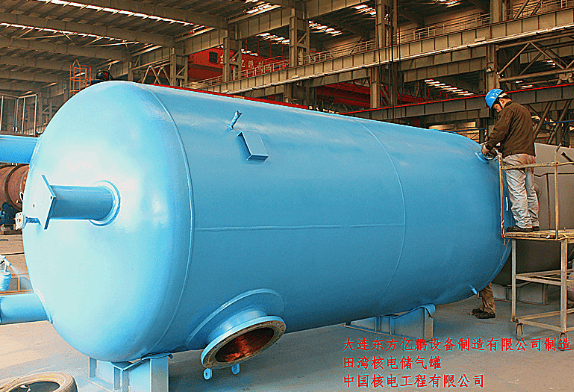
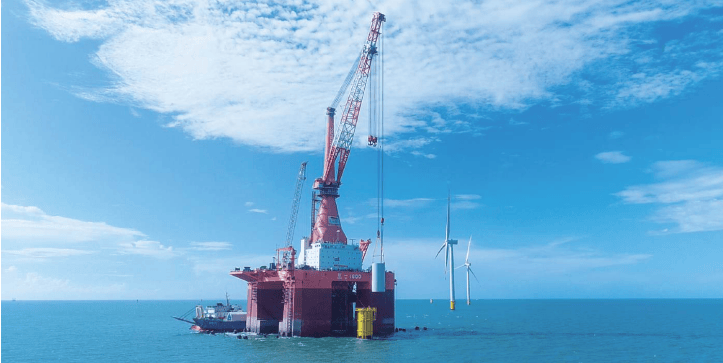
"Shunyi 1600" Deep-submerging Bottom-sitting Multi-functional Wind Power Engineering Vessel
Zhengli Offshore Engineering Co., Ltd.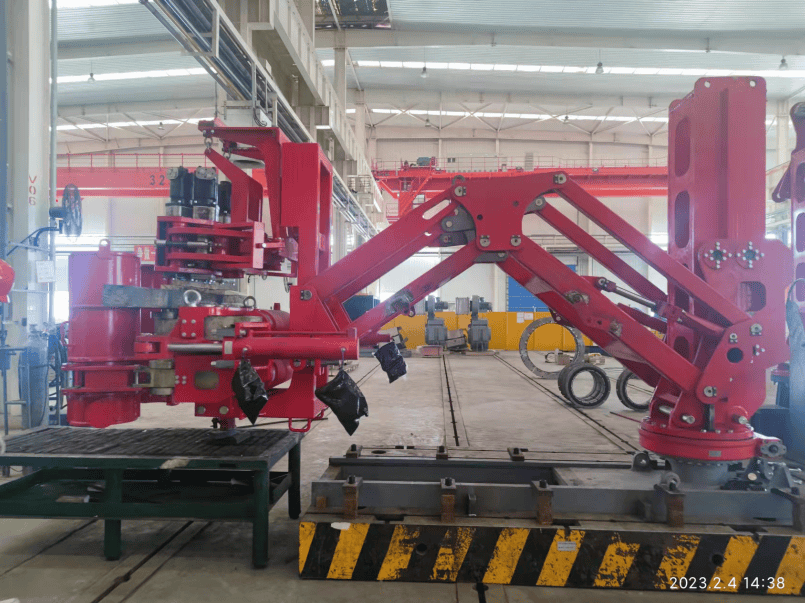
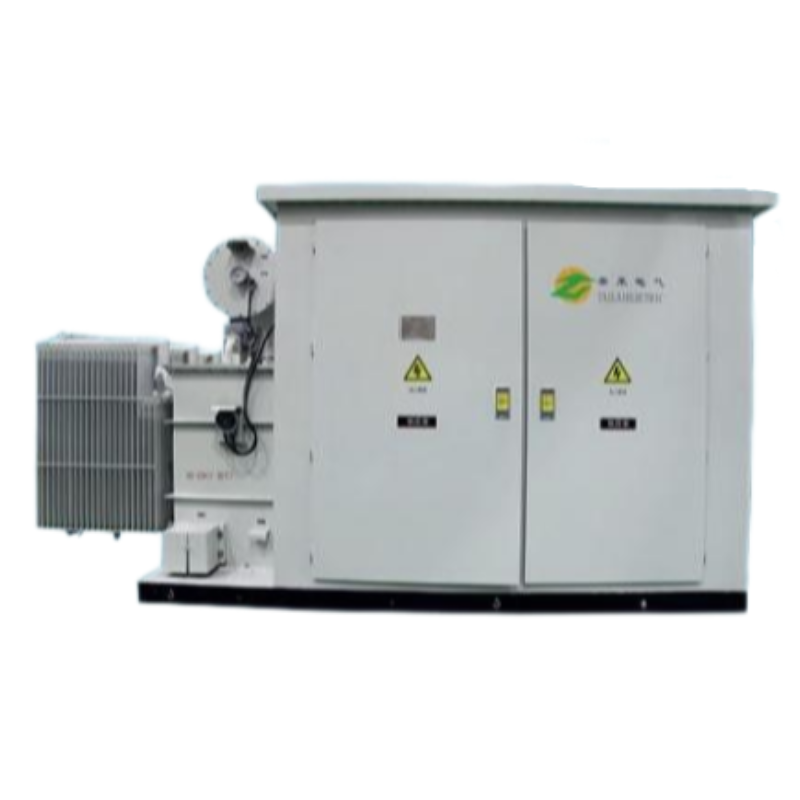
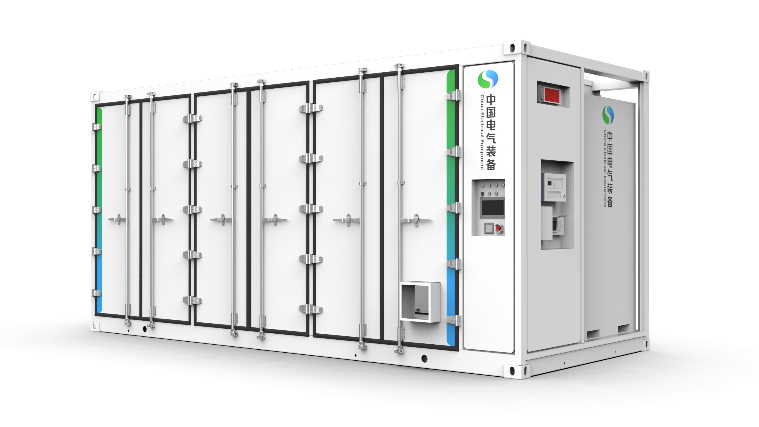
MESS8201-2507/5015-BN Prefabricated Liquid-cooled Energy Storage Battery Container
Xuchang Xuji Electric Science Energy Storage Technology Co., Ltd.