Hong Kong Polytechnic University's New Solar Cell Maintains 97% Efficiency After 2000 Hours of Shading Test
en.Wedoany.com Reported - A research team from the Hong Kong Polytechnic University (PolyU) has developed a novel perovskite-organic tandem solar cell that maintains stable performance even when partially shaded. The findings were published in the journal Nature Materials.
The study shows that this thin-film solar cell retains over 90% of its original efficiency after withstanding a reverse bias voltage of up to -40 volts, a condition that typically damages standard thin-film solar cells. When sunlight is blocked by trees, clouds, buildings, or birds, solar panels may experience reverse bias stress, a negative voltage that reduces power output and can cause permanent damage to thin-film solar cells. The PolyU team stated that the new design offers greater resistance to such issues, bringing the technology closer to practical application.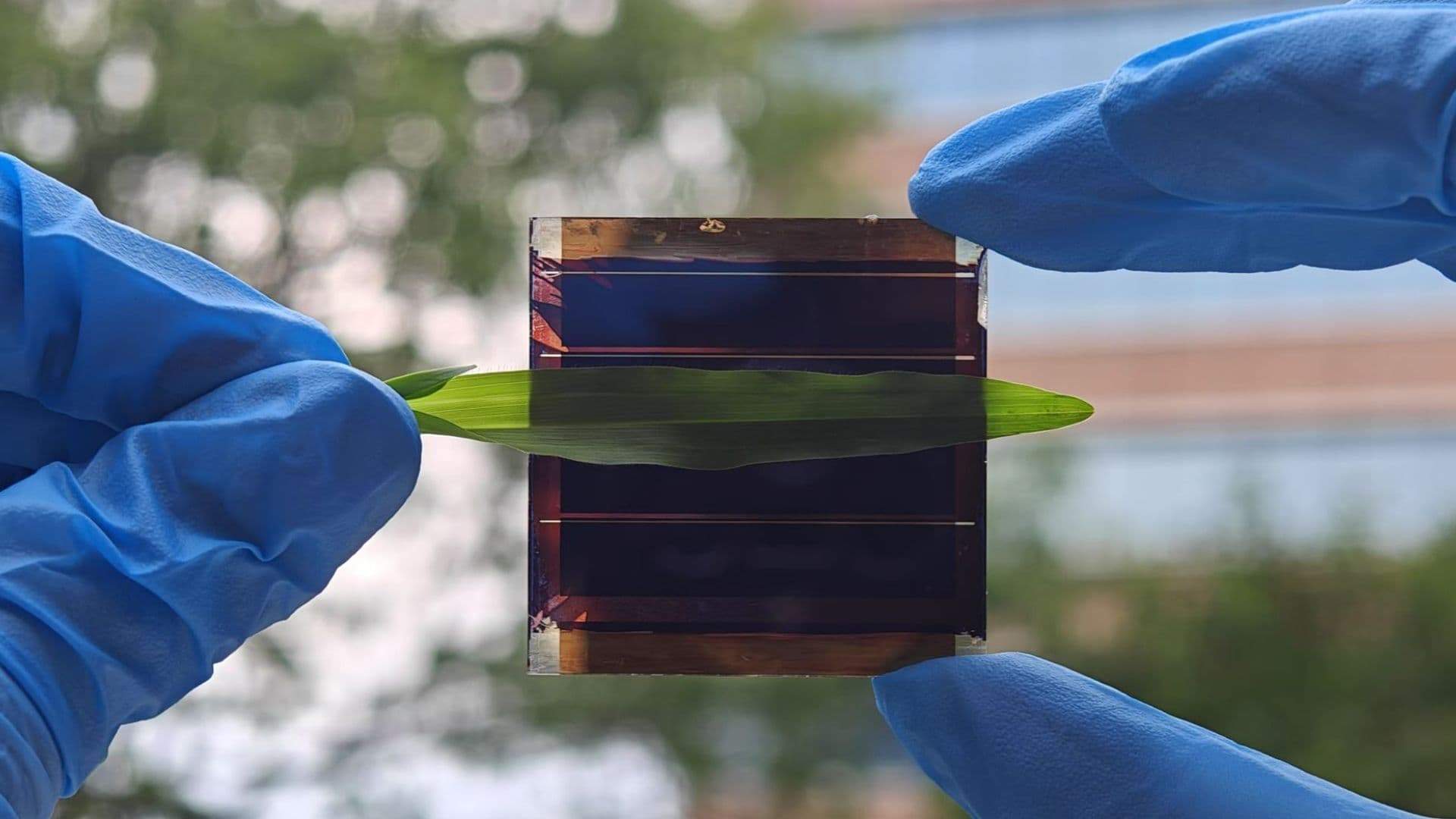
Thin-film solar technologies such as cadmium telluride, copper indium gallium selenide, perovskite, and organic solar cells are popular due to their lightweight, flexibility, and low manufacturing costs. However, when a panel is partially shaded, the shaded cells generate a negative voltage, stressing the material. These solar cells carry both electrons and ions, and prolonged exposure to reverse bias reduces performance and eventually leads to damage. The team discovered that the damage originates from defects called deep trap states, which exist in the power-generating layer—the bulk heterojunction. These defects trap charges, reducing efficiency and increasing the likelihood of permanent damage during reverse bias operation.
To address this issue, the researchers suppressed isolated acceptor clusters in the donor-acceptor blend region of the solar cell, reducing the number of deep trap states and making the device more durable. The new organic solar cell can withstand a breakdown voltage exceeding -35 volts, setting a new standard for the stability and efficiency of organic solar cells.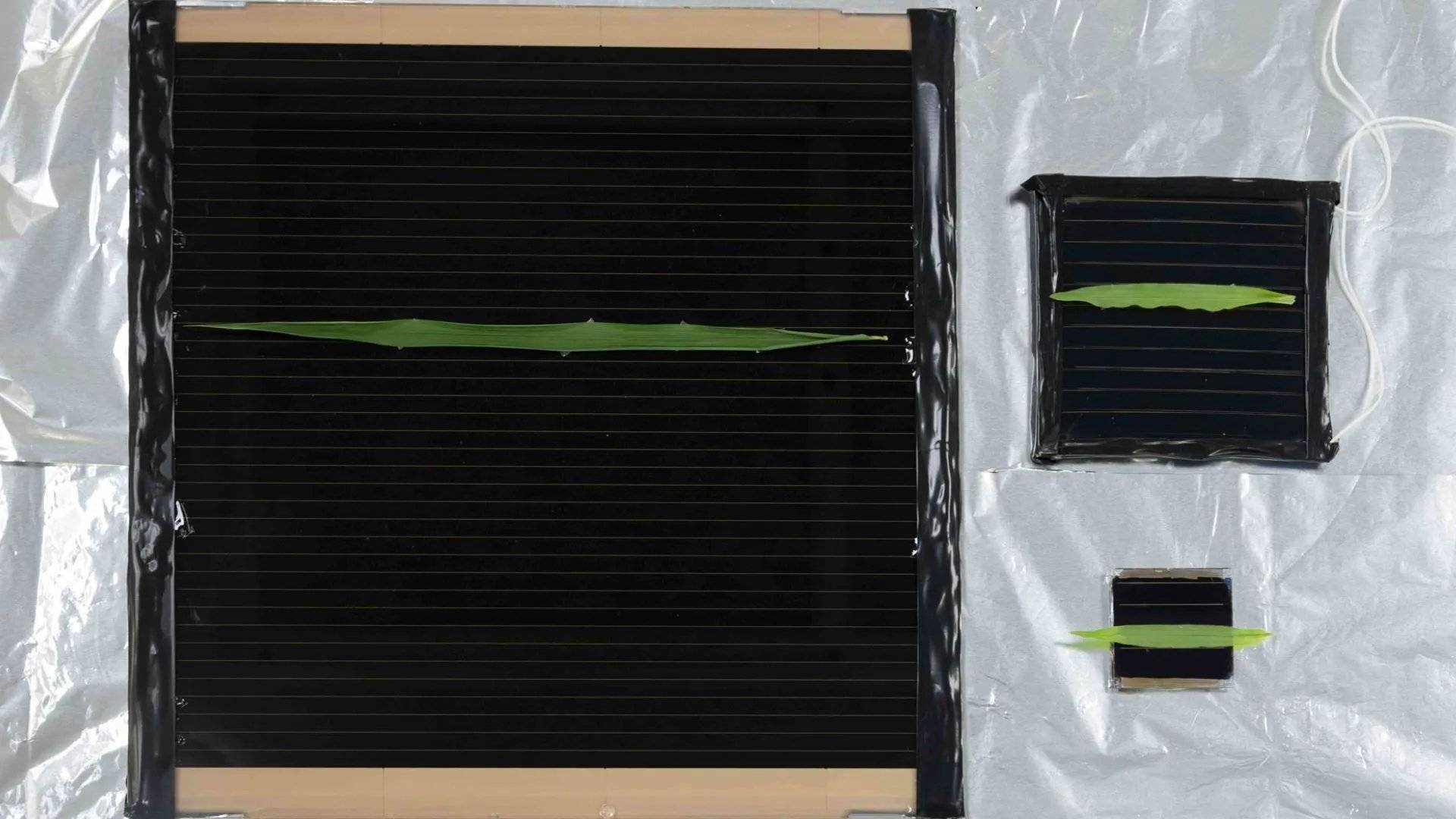
The study also shows that the improved organic solar cell can protect the perovskite layer in n-i-p inorganic perovskite-organic tandem solar cells by preventing reverse tunneling, thereby preventing device damage during shading. Even after withstanding -40 volts, the tandem solar cell retains over 90% of its original efficiency. These devices maintained 90% of their initial efficiency after operating at -20 volts for 12 hours, and 97% efficiency after operating at -4.5 volts for 2000 hours (approximately 83 days). The researchers stated that these results surpass what current thin-film solar technologies can achieve.
Professor Li Gang, Chair Professor of Energy Conversion Technology in the Department of Electrical and Electronic Engineering at PolyU, stated that the team has made significant progress in the stability of organic solar cells and perovskite-organic tandem solar cells under challenging reverse bias conditions, contributing a breakthrough to the understanding of device operation and durability. This new work builds on the team's previous research published in Nature Energy in 2025. In that study, they developed n-i-p inorganic perovskite-organic tandem solar cells with a power conversion efficiency of 25.9%, independently certified as 25.1% through bottom contact modulation. In this new study, the tandem solar cell achieves a power conversion efficiency exceeding 26% and demonstrates greater resistance to reverse bias stress, bringing the technology closer to use in practical solar modules.
Related Products


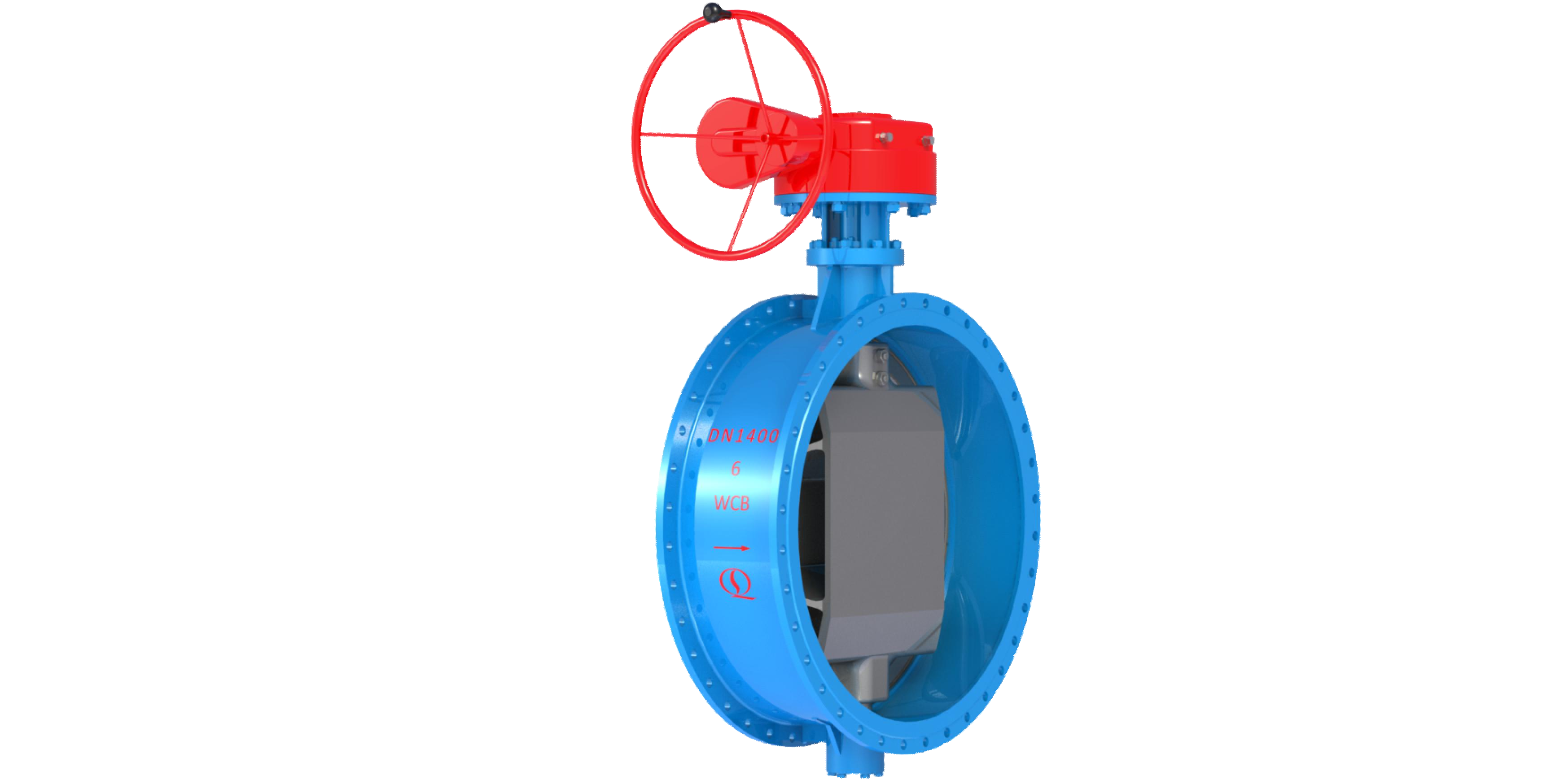
Bidirectional Metal Hard Sealed Seawater Butterfly Valve
Henan Quanshun Flow Control Science & Technology Co., Ltd.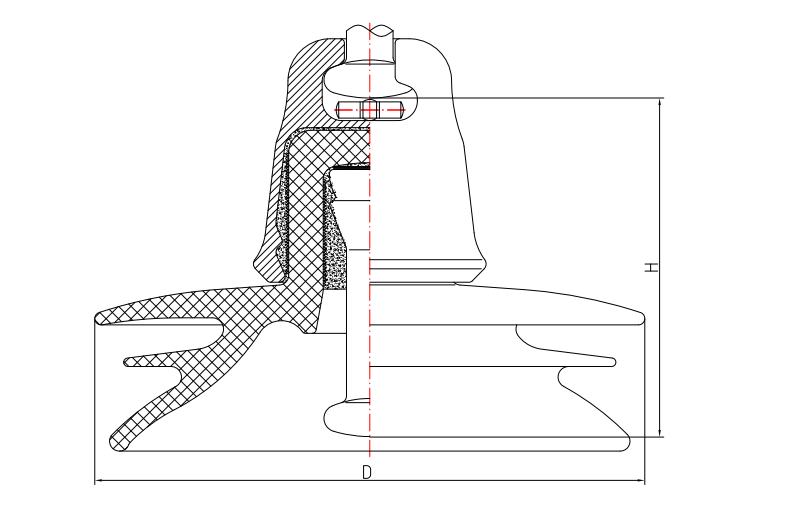
Post-type AC Pollution-resistant Disc Suspension Porcelain Insulator (Triple Umbrella Type)
Shandong High Voltage Insulator Co., Ltd.


714CD Series C-Band Weather Radar
Chengdu Zhongdian Jinjiang Information Industry Co., Ltd.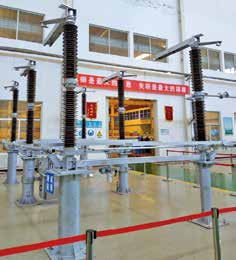
GW4-40.5/72.5/126/145/170/252/363/420 Series Double-column Horizontal Rotary High-voltage AC Disconnect Switch
SHANDONG TAIKAI DISCONNECTORS CO., LTD.