China's Bison Series Robots Deployed at Large-Scale Solar Power Station in Algeria
en.Wedoany.com Reported - The Bison series robots from Beijing Relu Robotics Co., Ltd. are being deployed in the construction of an undisclosed large-scale solar power station in Algeria.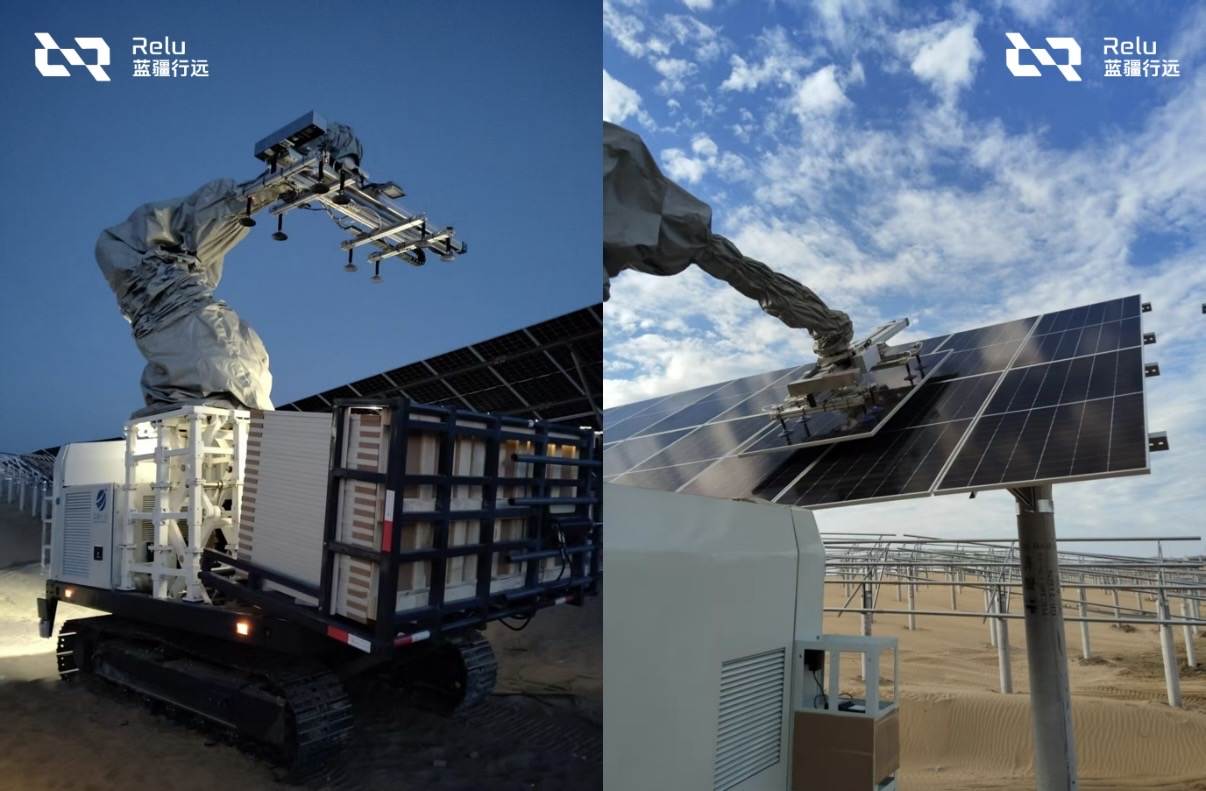
The company stated that in outdoor operations, robots must contend with uncertain factors such as intense sunlight, wind and sand, rain and snow, rugged terrain, and high altitudes, making stable and efficient operation an engineering challenge. Relu Robotics addresses this challenge by combining high-precision 3D perception, intelligent decision-making, and adaptive motion control.
The Bison series is specifically designed for ground-mounted photovoltaic facility construction, featuring a 9-ton platform to enhance outdoor stability. Its robotic arm can handle loads weighing up to 50 kilograms, with an effective working range exceeding 5 meters. According to Relu Robotics, the self-developed 3D perception technology and system adaptive motion control algorithm achieve perception accuracy of less than 3 millimeters, bracket angle recognition error of less than 0.5 degrees, installation accuracy of 5 millimeters, and repeat positioning accuracy of less than 1 millimeter.
The platform is designed for remote solar projects and can operate in harsh environments, with a maximum climbing capability of 20 degrees. The operating temperature range is -20°C to 60°C, with a vehicle protection rating of IP54 and a main component protection rating of IP65. The platform dimensions are 5,200 mm × 2,100 mm × 2,450 mm, equipped with an extended-range diesel power system, supported by a 33.4 kWh CATL battery and a 30 kW range extender. The robot uses steel tracks measuring 3,440 mm in length and 400 mm in width, suitable for terrains such as sand, desert, wasteland, hills, and gentle slopes. Average fuel consumption is 2 liters per hour, with a maximum system speed of 4 km/h and an operating altitude of up to 5,000 meters.
Relu Robotics stated that the Bison series has undergone field tests in regions such as Inner Mongolia and Xinjiang, where harsh conditions like sandstorms, high temperatures, and significant temperature differences are common. For prolonged operation at remote construction sites, the robot is equipped with a 200-liter fuel tank. Based on a typical 10-hour workday, daily fuel consumption is less than 20 liters, allowing continuous operation for up to 10 days on a full tank.
The robot operates through a three-stage process: the vision system identifies photovoltaic modules, mounting structures, and environmental conditions; the artificial intelligence control system analyzes the environment, plans movement paths, and determines positioning requirements; the robotic arm picks up, transports, aligns, and installs the modules.
Related Products
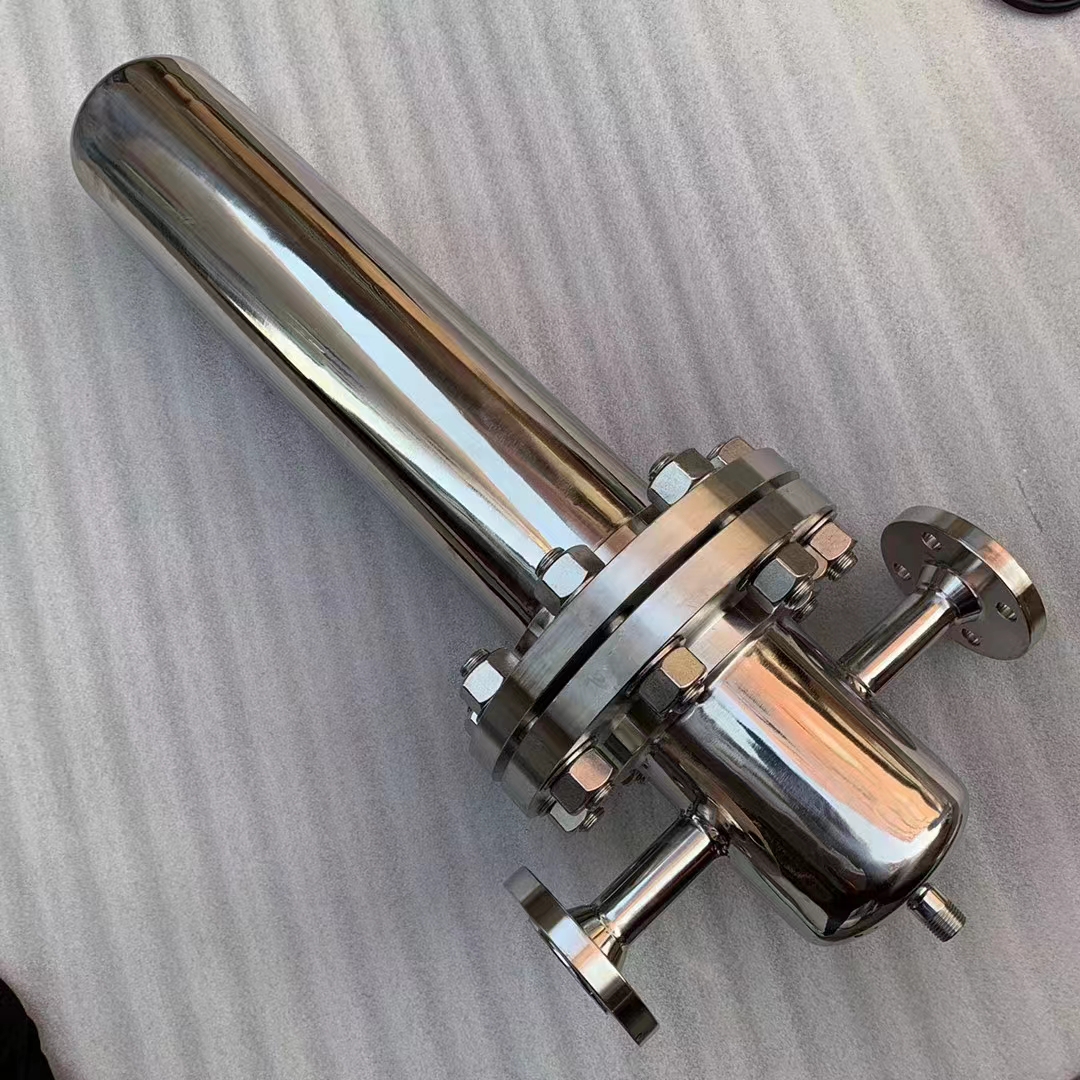


Standard Nozzle Flowmeter
Jinggong Automatic Control Instrument Complete Technology Development Company

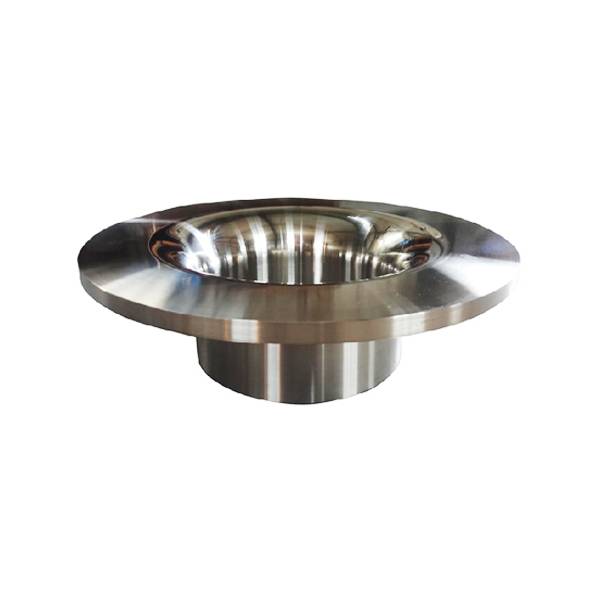
CAP1400 main feedwater flow nozzle flowmeter.
Jiangsu Hongda Instrument Technology Co., LTD.
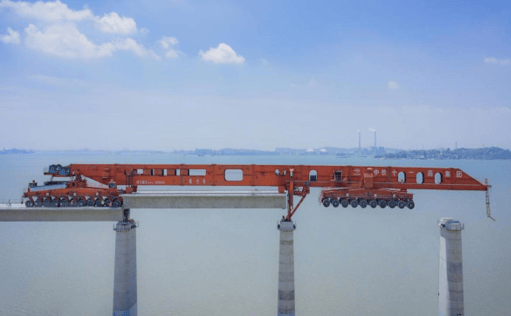
High-Speed Railway Lifting, Transporting, and Erecting Equipment: Integrated Transport and Erection Machine
Hanjiang Heavy Industry Co., Ltd. of China Railway 11th Bureau Group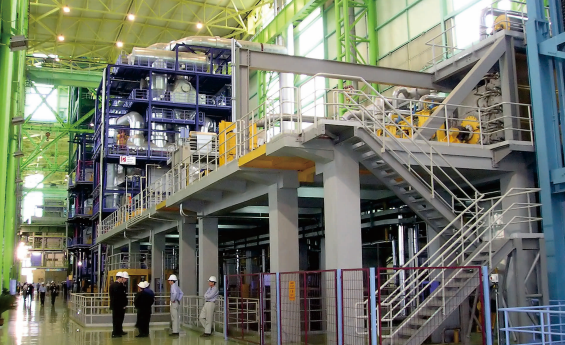
Strip Coating and Plating Production Line Equipment
MCC-SFRE HEAVY INDUSTRY EQUIPMENT CO., LTD.