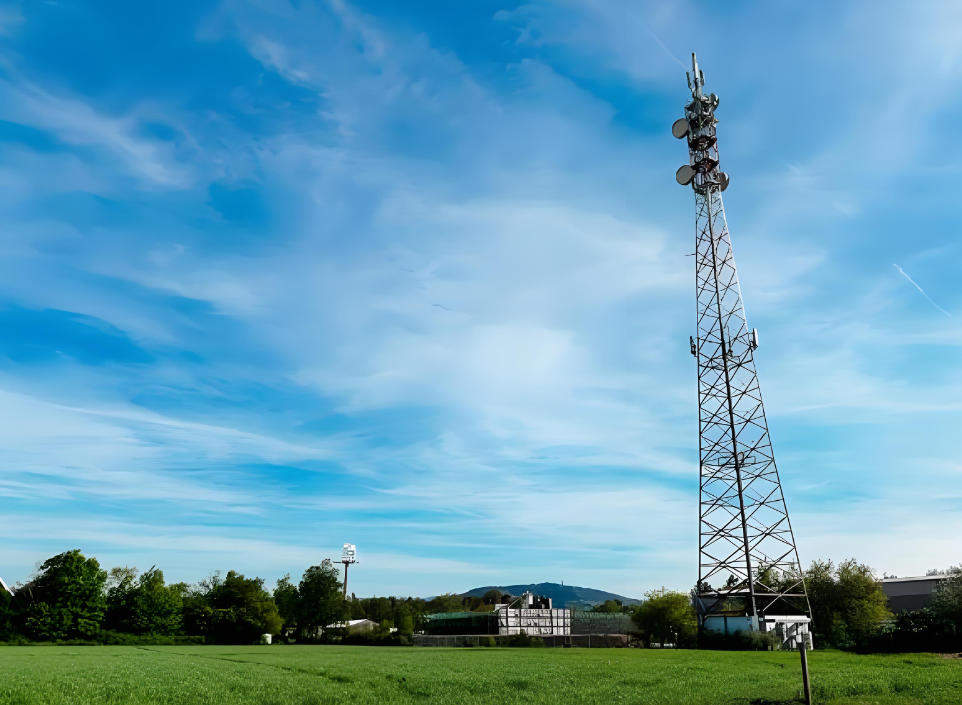
en.Wedoany.com Reported - SpaceX is transitioning from a satellite supplier for wireless operators to a potential competitor, a role shift that is shaking up the telecom industry's newly established partnerships. This transformation is advancing most rapidly in the direct-to-phone business: Starlink's satellite-to-phone service, based on a partnership with T-Mobile, officially launched commercially in July 2025 under the name T-Satellite. It now has approximately 10 million active users across 22 countries, served by over 650 satellites.
This commercial success has fueled SpaceX's greater ambitions. During the company's IPO roadshow, President Gwynne Shotwell informed investors that SpaceX plans to directly challenge AT&T, Verizon, and T-Mobile through retail cellular services and has applied to trademark "Starlink Mobile." The key spectrum resources supporting this ambition are already in place. In May 2026, the U.S. Federal Communications Commission approved SpaceX's acquisition of wireless spectrum licenses from Boost Mobile parent company EchoStar for approximately $17 billion, part of a broader $40 billion deal in which AT&T separately acquired 50 megahertz of spectrum. Since existing phones cannot use the newly acquired frequency bands, the launch of true retail services may require waiting for next-generation, higher-power satellites and upgraded phones. Meanwhile, SpaceX is in negotiations with Charter Communications, the largest home internet provider in the U.S., to route phone traffic through Charter's terrestrial network. If an agreement is reached, this would combine SpaceX's spectrum and satellites with terrestrial infrastructure it does not own.
The market viewed the Charter negotiations as a warning signal: after the news broke, Charter's stock rose, while shares of major wireless operators fell by 5% to 7%. However, analysts caution against being overly optimistic about the pace of industry transformation. BNP Paribas noted that Charter's existing mobile virtual network operator (MVNO) agreement with Verizon may prohibit it from reselling network access to SpaceX, and there is a "suburban gray zone" where neither low-earth orbit satellites nor terrestrial hotspots can independently provide good service. Analysts estimate that building a network truly capable of challenging existing operators will take several years and require over $100 billion in spectrum and infrastructure investment.
SpaceX is not the only satellite operator targeting this field, and its competitors are betting on entirely different structures. AST SpaceMobile, backed by AT&T, Verizon, Vodafone, and Google, is building a network designed to access operators' own spectrum and infrastructure rather than bypassing them. This partnership-first model is progressing more slowly, with only seven satellites launched as of early 2026 and plans to launch about 60 this year. This development trend makes it difficult for the industry to define whether satellite operators are suppliers, competitors, or something in between. This ambiguity has become a core variable in operators' business models, spectrum strategies, and the underlying architecture of mobile connectivity in the coming years.