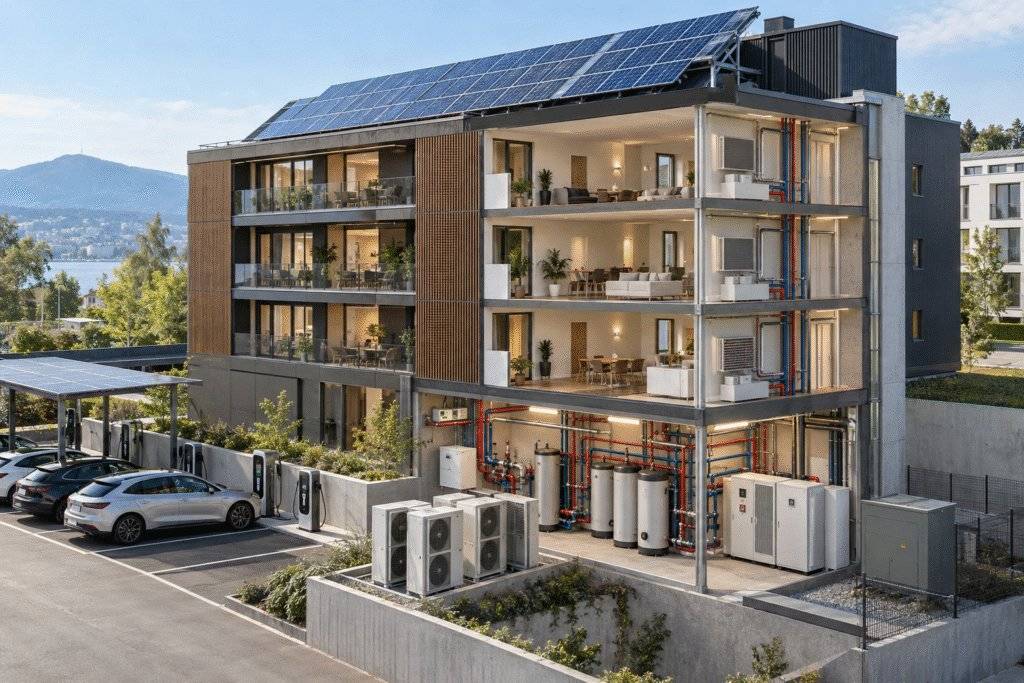
Proposed Changes by California ISO Could Expand or Broaden Wholesale Market Participation for Distributed Energy Resources
en.Wedoany.com Reported - Brian Turner, a senior director at AEU, told Utility Dive that a draft proposal from the California Independent System Operator (CAISO) introduces a "small accounting change" that could significantly reshape California's battery market.
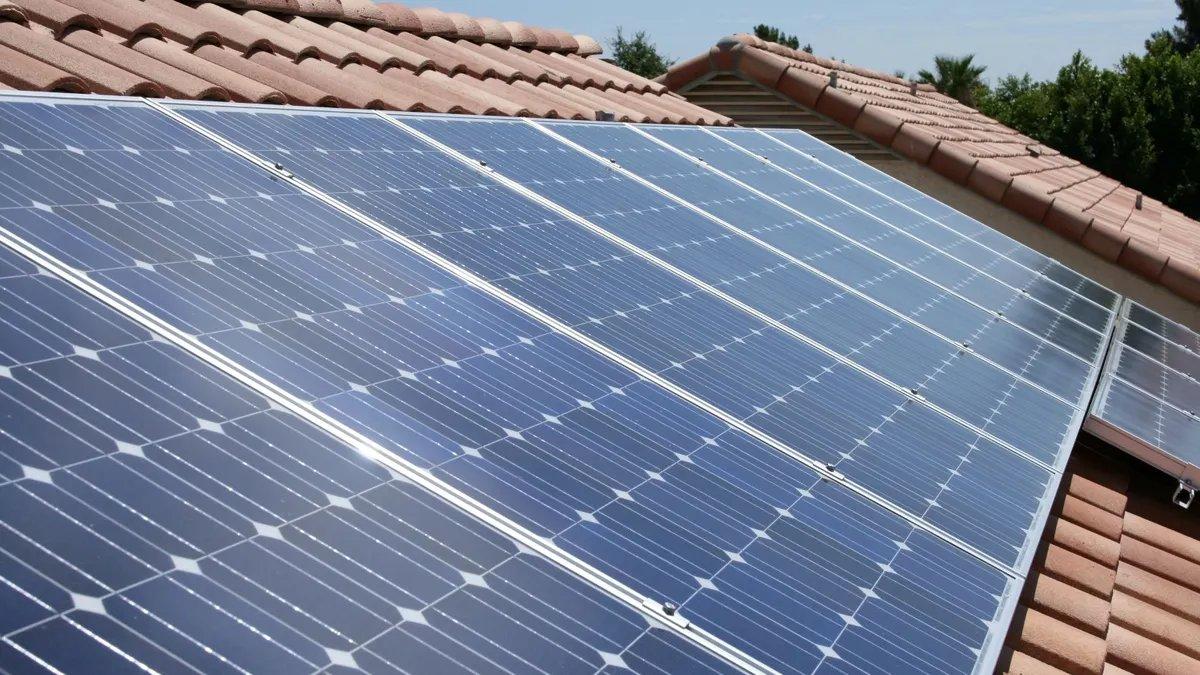
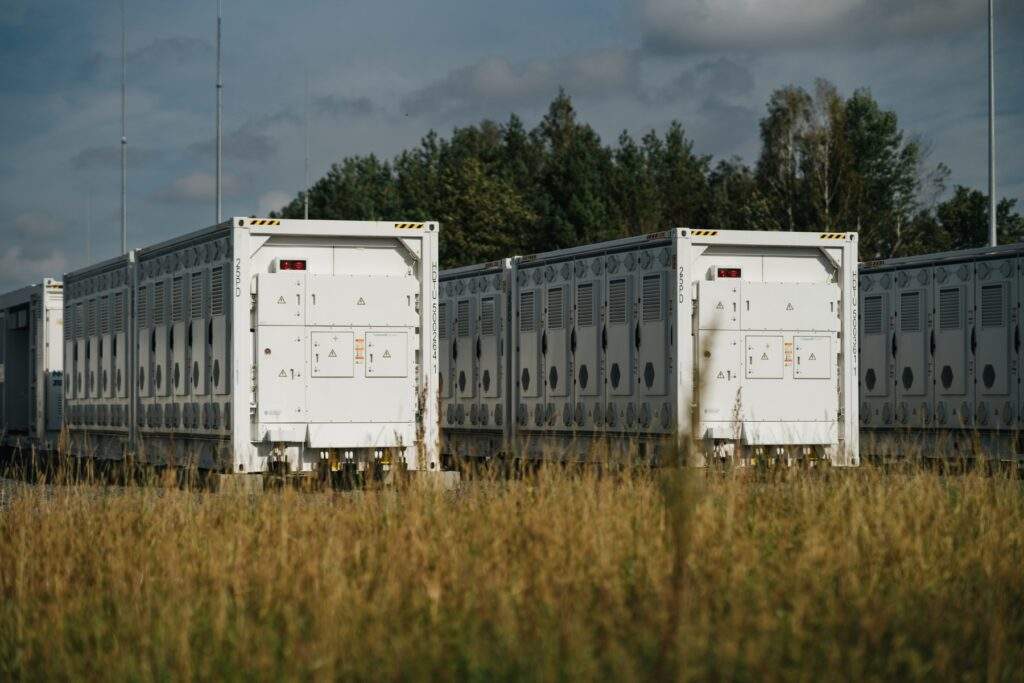
Turner said the current system effectively excludes behind-the-meter batteries from CAISO's resource adequacy market, partly due to grid operators' concerns about the deliverability of locally exported power. Today, batteries can capture wholesale market value when they offset on-site load during peak hours, but output beyond the meter only earns retail net metering or net billing tariff credits.
The draft proposal seeks to assign wholesale value to behind-the-meter battery aggregations that help reduce load within CAISO's more than 20 sub-load aggregation points (sub-LAPs)—distinct areas of CAISO's transmission grid. Turner noted this sounds technical but carries significant implications for how California can derive genuinely deliverable resources from distributed energy resources (DERs). In the draft summary, CAISO stated the approach could "leverage more behind-the-meter resources without modifying the fundamental definition of demand response as load reduction." Aggregators seeking to become net energy exporters would still need to enter the "appropriate generation interconnection queue process." However, CAISO's proposal also preserves the possibility of achieving net exports at the aggregation level in future versions of the demand response framework.
A related demand response rulemaking underway at the California Public Utilities Commission (CPUC) could further advance distributed resource participation in the nation's largest behind-the-meter battery market, though the timeline for the agency's action remains unclear. In a scoping ruling issued in February, the CPUC said it would consider multiple issues surrounding demand response and set an accelerated schedule to address the most urgent matter: whether to approve or modify the "transition year" funding extension, which allows the state's investor-owned utilities to continue operating existing demand response programs and pilots through the 2028-2029 biennial period.
The scoping ruling also lists four additional demand response issues, including reforms to "make demand response resources more consistent, predictable, reliable, and cost-effective," such as valuation methods for participating resources, CAISO market integration, resource adequacy valuation, and cost-effectiveness assessments. The CPUC said it aims to make decisions on these four less urgent issues by the fourth quarter of 2026, while allowing itself up to two years—until February 2028—to resolve all outstanding matters. Turner believes that for when the CPUC will answer these questions, "the optimistic estimate is the first half of 2027." He added that the pending CAISO framework "really makes it easier for the CPUC and the new governor"—who appoints CPUC members, subject to state Senate confirmation—"to prioritize getting this done... as a near-term win for affordability and reliability."
Related Products


220kV and Below Voltage Level Energy-saving Oil-immersed Power Transformers
FuZhou TianYu Electric Co., Ltd.
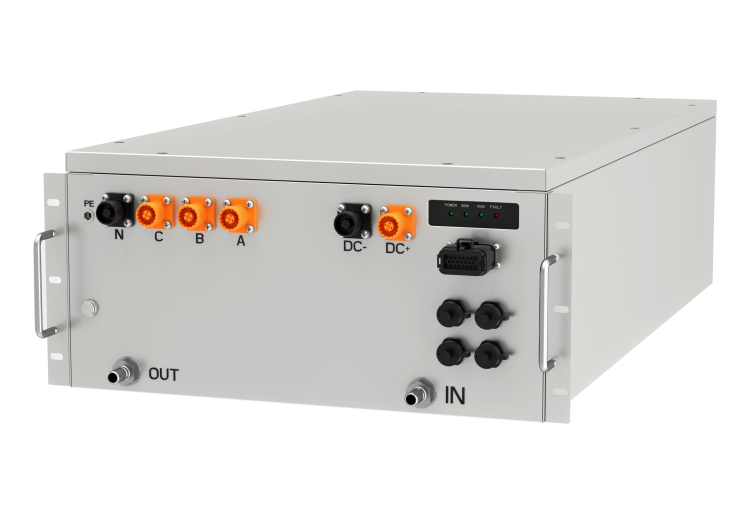
Mars (Liquid Cooling) Series Industrial and Commercial Energy Storage Converter High Protection Module
Shenzhen Winline Technology Co., Ltd.
Hydraulic Turbine Genset
Dongfang Electric Corporation Dongfang Electric Machinery Co., Ltd.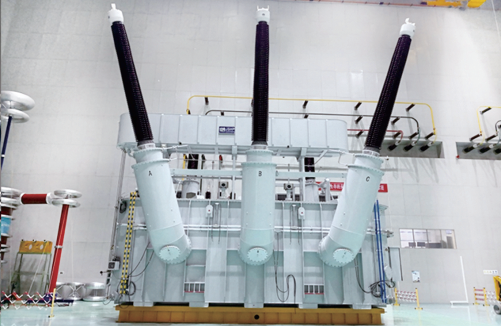
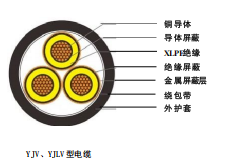
Rated Voltage 6-35kV Cross-linked Polyethylene Insulated Power Cable
TONGDING INTERCONNECTION INFORMATION CO., LTD.
Double-slide Triple-sealed Hot Air Isolation Door
Xi'an Yingchuan Electric Power Equipment Co., Ltd.
FR2000H 2.15MWh (Air-cooled) 20-foot Containerized Energy Storage System
Jiangyin Furen High-tech Co., Ltd.