Wedoany.com Report-Jun 6, Indian Prime Minister Narendra Modi inaugurated a 14km extension of the Orange metro line in Kanpur on May 30, continuing efforts to expand urban mass transit in Uttar Pradesh’s second-largest city. The new segment includes five stations and extends the line underground to Kanpur Central, the city’s primary railway hub. This development connects Kanpur Central with the Indian Institute of Technology Kanpur (IIT Kanpur) in the northwest of the city.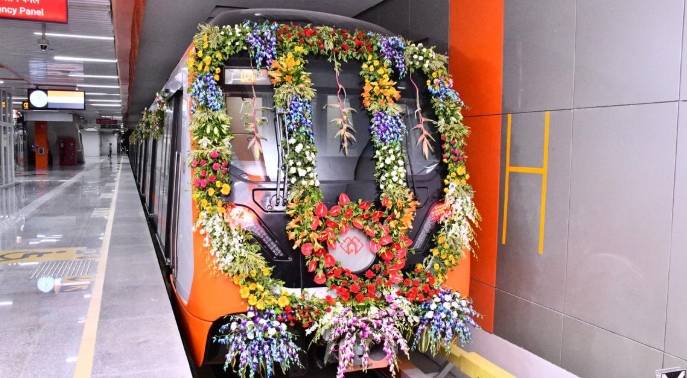
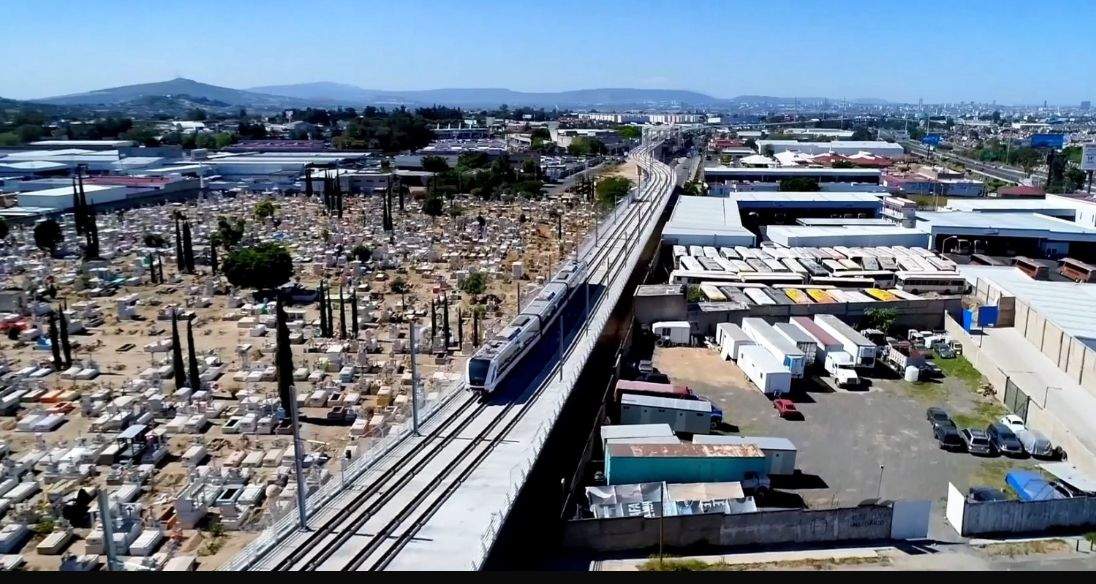
A train is inaugurated on the Orange Line
The original section of the Orange Line was inaugurated in 2021. With the latest extension, the metro system now links key locations through both elevated and underground routes. Further construction is ongoing on a southern extension to Naubasta, which will add seven more stations upon completion.
During the inauguration, Prime Minister Modi emphasized the project’s impact: “A few years ago, our government gifted Kanpur its first metro. Today the Orange Line of Kanpur Metro has reached Kanpur Central. The city now boasts both elevated and underground Metro lines, connecting key parts of the city.” He also remarked: “Traffic used to be a major issue in Kanpur, and many doubted whether a Metro could be built here. But today we are witnessing the successful operation of an extraordinary project like Kanpur Metro.”
All 40 trains used in the Kanpur Metro system were manufactured domestically at Alstom’s Savli plant in Gujarat. The trains, designed for speeds up to 80km/h, are fully automated and equipped with air conditioning. They feature Flexx bogies and the Mitrac propulsion system, which enables regenerative braking for improved energy efficiency.
Olivier Loison, Managing Director of Alstom India, commented: “We are committed towards reshaping the transportation landscape of the state. The extended metro service will transform mass mobility in Kanpur and provide a safe, efficient, and sustainable mode of transportation.”
The metro extension is expected to ease congestion, enhance daily commuting, and support economic activity in the region. By connecting major institutions and transport hubs, the system is positioned to play a key role in improving urban infrastructure and accessibility.
This project reflects broader efforts to modernize urban transportation across India, with an emphasis on sustainability, energy efficiency, and localized manufacturing. The development also supports India’s goal of strengthening domestic production capabilities and expanding smart city infrastructure.