Greenland's Jameson Land Onshore Oil Drilling Delayed, Permit Target Adjusted to Winter 2027
en.Wedoany.com Reported - The Government of Greenland stated clearly on August 12 that the proposed oil drilling activities in the eastern Nunap Qeqqa/Jameson Land onshore basin cannot be carried out during the 2026–2027 winter season. Project investor Greenland Energy and license holder White Flame Energy are now adjusting their target for obtaining the relevant permits to the winter of 2027, thereby postponing the original exploration plan.
This adjustment first takes effect at the permitting level. On August 11, Greenland Energy filed a document with the U.S. Securities and Exchange Commission stating that the project's complexity requires a broader and more complete review process. Information published by the Government of Greenland shows that the project must sequentially complete procedures including technical document review, environmental impact assessment, social impact assessment, and public consultation, and is currently still in the first step of an approval process consisting of 11 stages.
The project comprises three oil exploration licenses—OEEL 2015-13, OEEL 2015-14, and OEEL 2018-40—all held by White Flame Energy, a subsidiary of 80 Mile, with validity extending through 2028. The Government of Greenland ceased issuing new oil and gas exploration licenses in 2021, but previously issued licenses remain valid due to existing legal relationships. Greenland Energy does not directly hold these licenses; its role is that of project investor and proposed operator.
Under the interest transfer arrangement signed by both parties in September 2025, Greenland Energy's subsidiary March GL bears all drilling and preparation costs for the first two exploration wells. After the first well reaches the agreed depth of approximately 3,500 meters or is drilled to the base of the Permian, March GL can acquire a 50% working interest in the project; upon completion of the second well, the working interest can increase to 70%. The aforementioned interest transfer remains subject to approval by the Government of Greenland.
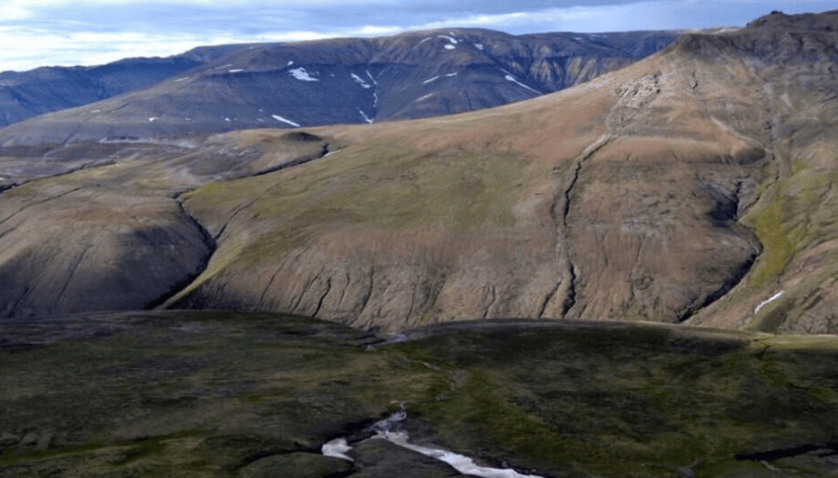
The Jameson Land onshore basin is located in east-central Greenland, and the three licenses cover an area of approximately 2.08 million acres. Documents filed by the companies with U.S. regulators show that no modern exploration well has been drilled in the project area to date, and no commercial oil or gas discovery has been established. The 1 to 13 billion barrel figure provided by third-party assessments represents unrisked recoverable prospective resources, which still require verification through drilling, appraisal, and subsequent development studies, and cannot be used as oil reserves or future production.
Disputes over project permits had already emerged in late July. White Flame was previously authorized to transfer a small amount of equipment in 2025, but that permit expired in December of that year. After the company resubmitted its application in 2026, some equipment was transported to Nerlerit Inaat Airport near the project before the approval process was completed, prompting the Greenland Mineral Resources Authority to issue a formal warning to the license holder. The relevant equipment may be stored temporarily at the airport, but may not be transported onward to the drilling site until the necessary approvals are obtained.
This postponement also shifts the originally planned Arctic logistics, rig mobilization, wellsite preparation, and integrated oilfield services to a later date. The project parties had previously reached drilling, transportation, and well services arrangements with Canada's Stampede Drilling, shipping company Desgagnés, and Halliburton, respectively, but these contractual preparations cannot substitute for the Government of Greenland's approval of environmental, social impact, and field operations. Whether the project can advance to the actual drilling stage will depend on the completion of the subsequent permitting process, rather than the construction schedule unilaterally announced by the companies.
Related Products

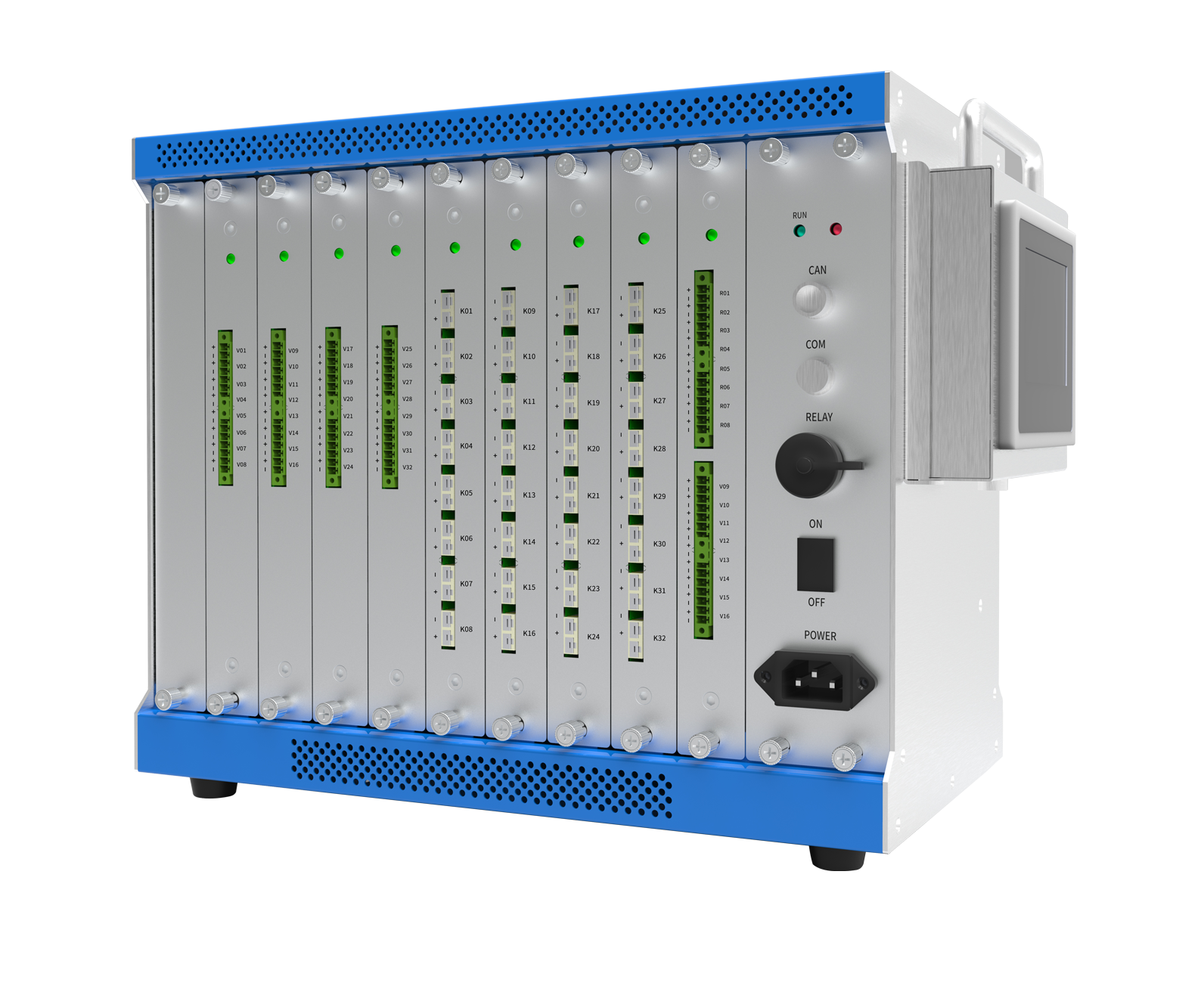
Optional Accessory - Auxiliary Sampling Module
Beijing Soaring Electric Technology Co., Ltd.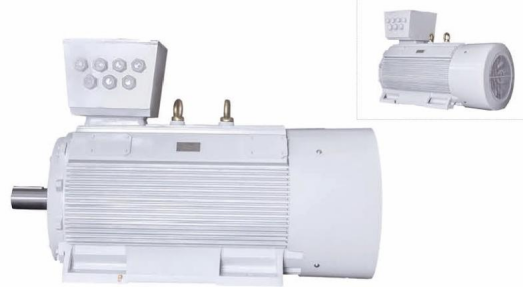
YE3 Series Low Voltage High Power Three-Phase Asynchronous Motor
Shandong Lijiu Electrical Machinery Co., Ltd.

Off-Grid Fuel Cell Supercharging Station (180kW Configuration)
Shanghai REFIRE Group Limited

High-voltage Direct Current (HVDC) Transmission System Research and Integrated Design
XI'AN XD POWER SYSTEMS CO., LTD.
CITIC Heavy Industries Offshore Wind Power Equipment Hydraulic Pile Hammer
CITIC Heavy Industries Co., Ltd.