Wedoany.com Report-Aug. 7, Nuclear power generation in South Korea is projected to reach 222.7 terawatt-hours (TWh) by 2035, reflecting a compound annual growth rate (CAGR) of 2.4% from 2024 to 2035. This forecast is based on GlobalData’s latest publication, South Korea Power Market Outlook to 2035, Update 2025.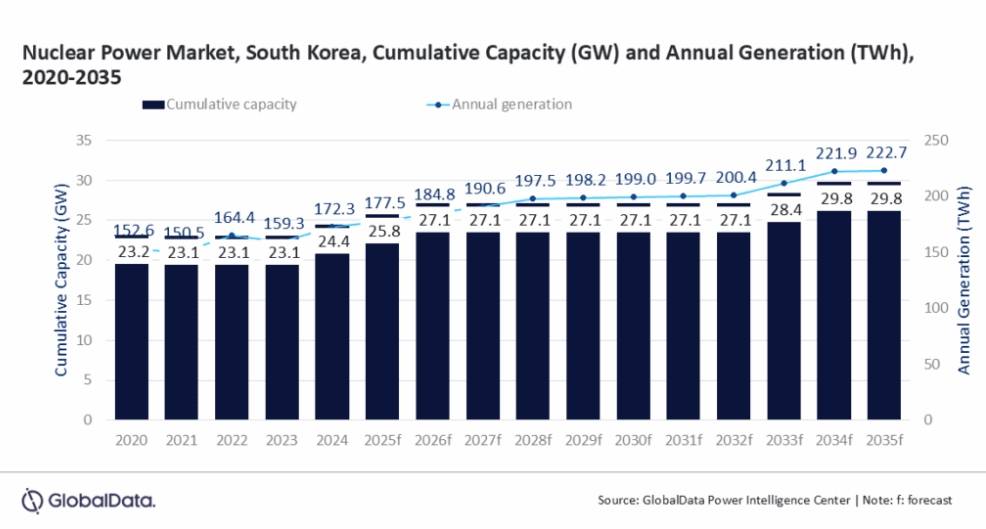
South Korea meets its electricity demand entirely through domestic production, with no cross-border electricity trade or grid interconnection with neighboring countries. The country’s ability to maintain stable electricity supply is supported by a strong nuclear energy infrastructure. In 2022, South Korea reversed an earlier policy to phase out nuclear energy and reaffirmed its commitment to expanding nuclear power as a central part of its energy strategy.
Currently, South Korea operates 25 nuclear reactors, with four additional units under construction. Nuclear energy accounts for nearly one-third of national electricity consumption. By 2035, the total installed nuclear capacity is expected to reach 29.8 gigawatts (GW).
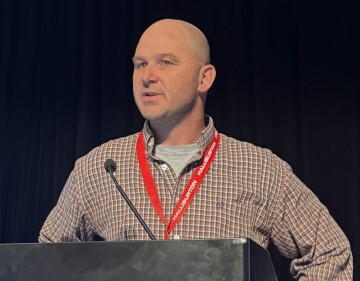
Attaurrahman Ojindaram Saibasan, senior power analyst at GlobalData, stated: “South Korea stands as one of the most significant consumers of energy and ranks among the leading greenhouse gas (GHG) emitters globally. The country currently grapples with the dual challenge of bolstering energy security and reducing carbon emissions. The nation’s reliance on thermal and nuclear power to satisfy domestic electricity needs is notable. The utilisation of fossil fuels for thermal power not only escalates emissions but also, due to scant natural reserves, necessitates the costly importation of coal and gas.”
In November 2012, the temporary shutdown of two nuclear reactors due to substandard parts highlighted the operational risks associated with the country’s nuclear dependency. During this period, peak demand combined with reduced generation caused the electricity reserve margin to fall below 10%, raising concerns about energy reliability.
To address future demand and reduce dependency on fossil fuels, South Korea’s 11th Basic Plan for Long-Term Electricity Supply and Demand outlines plans to raise the share of nuclear power to 35.2% of the national energy mix by 2038. This includes the construction of three new reactors and one small modular reactor (SMR), adding approximately 4.4GW of capacity.
In addition to expanding domestic capacity, South Korea seeks to become a key player in the global nuclear sector. The country aims to secure contracts for the construction of 10 nuclear reactors overseas by 2030. South Korean nuclear enterprises have already participated in major international projects, including the Barakah nuclear plant in the United Arab Emirates and proposals in the Czech Republic.
Saibasan concluded: “South Korea intends to expand its nuclear energy capabilities, thereby solidifying the role of nuclear power within its energy portfolio. Domestic nuclear enterprises are increasingly recognised on the global stage, securing contracts in nations such as the Czech Republic and achieving successful completion of international projects, including the United Arab Emirates’ Barakah nuclear plant.”