Wedoany.com Report-Oct. 26, Saudi Arabia-based engineering, manufacturing and construction company Pemco will initiate the construction of a 200MW gas-piston power plant in Samarkand by the end of 2025, according to Jurabek Mirzamahmudov, Uzbekistan’s Minister of Energy.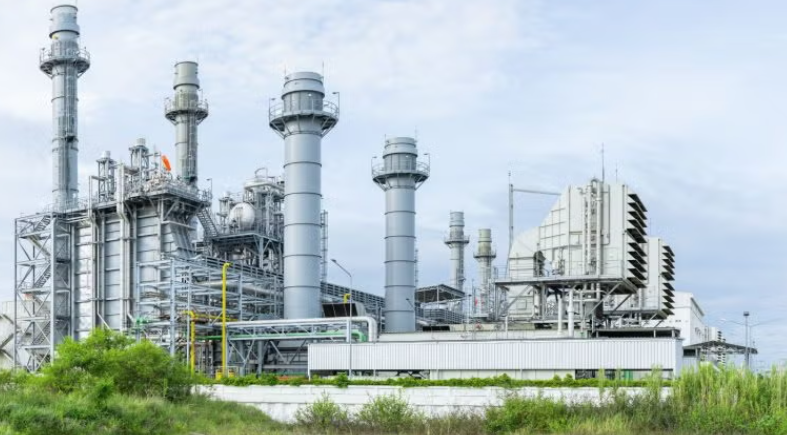
Uzbekistan is pursuing new renewable energy projects, including wind and solar stations.
The new facility is anticipated to enhance the energy supply in the Samarkand region, adding to Uzbekistan’s goal of maintaining a stable electricity supply to meet increasing demand.
The announcement was made after a meeting between President Shavkat Mirziyoyev and other Saudi business figures.
Mirzamahmudov highlighted several ongoing collaborations with Saudi companies in the energy sector.
ACWA Power has introduced Uzbekistan’s inaugural large-scale thermal power plant, while a solar power plant is already operational in the Kibray district of Tashkent.
Two large wind farms in Bukhara and the first 100MW wind power facility in Karakalpakstan have also been commissioned.
Uzbekistan is pursuing new renewable energy projects, including wind and
Saudi Arabia-based engineering, manufacturing, and construction company Pemco will commence building a 200 MW gas-piston power plant in Samarkand by the end of 2025, Uzbekistan’s Minister of Energy Jurabek Mirzamahmudov announced. The facility aims to bolster electricity provision in the Samarkand area, supporting the nation’s efforts to ensure consistent power availability amid rising consumption.
The disclosure followed a discussion between President Shavkat Mirziyoyev and Saudi business representatives. Mirzamahmudov pointed out multiple active partnerships with Saudi firms in the energy domain, highlighting the strengthening ties between the two countries.
ACWA Power has established Uzbekistan’s first major thermal power plant, contributing to expanded generation capacity. Additionally, a solar power plant is functioning in Tashkent’s Kibray district, demonstrating early adoption of photovoltaic technology.
Large-scale wind farms in Bukhara and the initial 100 MW wind facility in Karakalpakstan have been brought online, enhancing renewable integration into the grid. These developments reflect Uzbekistan’s focus on harnessing wind resources for sustainable output.
The country is advancing further renewable initiatives, such as additional wind and solar installations, along with the nation’s pioneering large-scale battery storage system in Parkent district. This storage project will improve grid stability by managing intermittent renewable generation.
Mirzamahmudov also outlined intentions to supply the new Tashkent airport with renewable aviation fuel. This effort stems from a joint venture between Saudi Arabia’s Vision Invest and U.S.-based Air Products, which have committed to constructing a sustainable aviation fuel (SAF) plant. The SAF production will promote lower-emission operations at the airport.
These undertakings form part of Uzbekistan’s comprehensive approach to broadening its energy mix in preparation for evolving requirements. By incorporating diverse sources, the strategy seeks to achieve greater reliability and environmental sustainability.
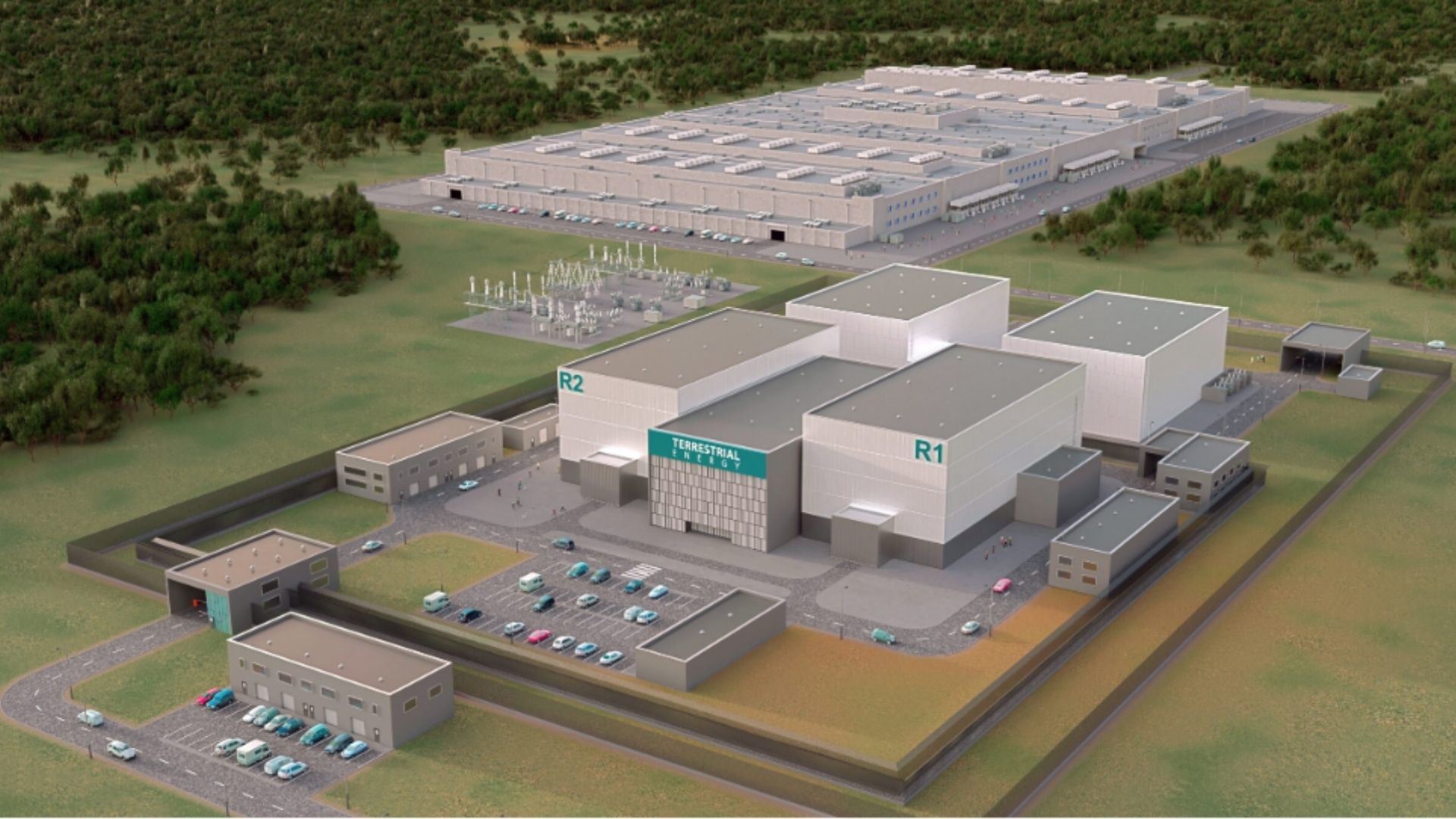
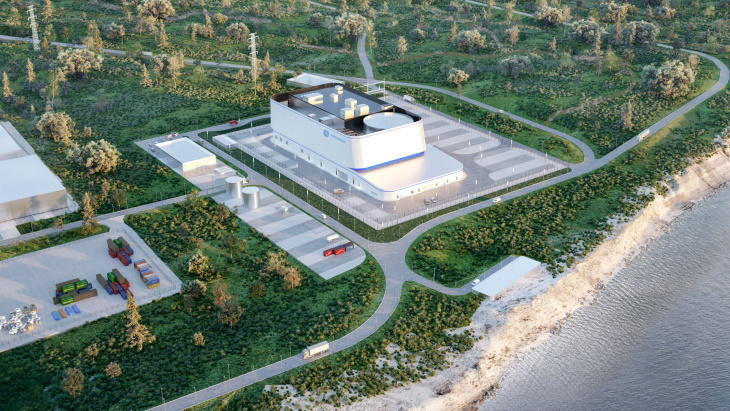
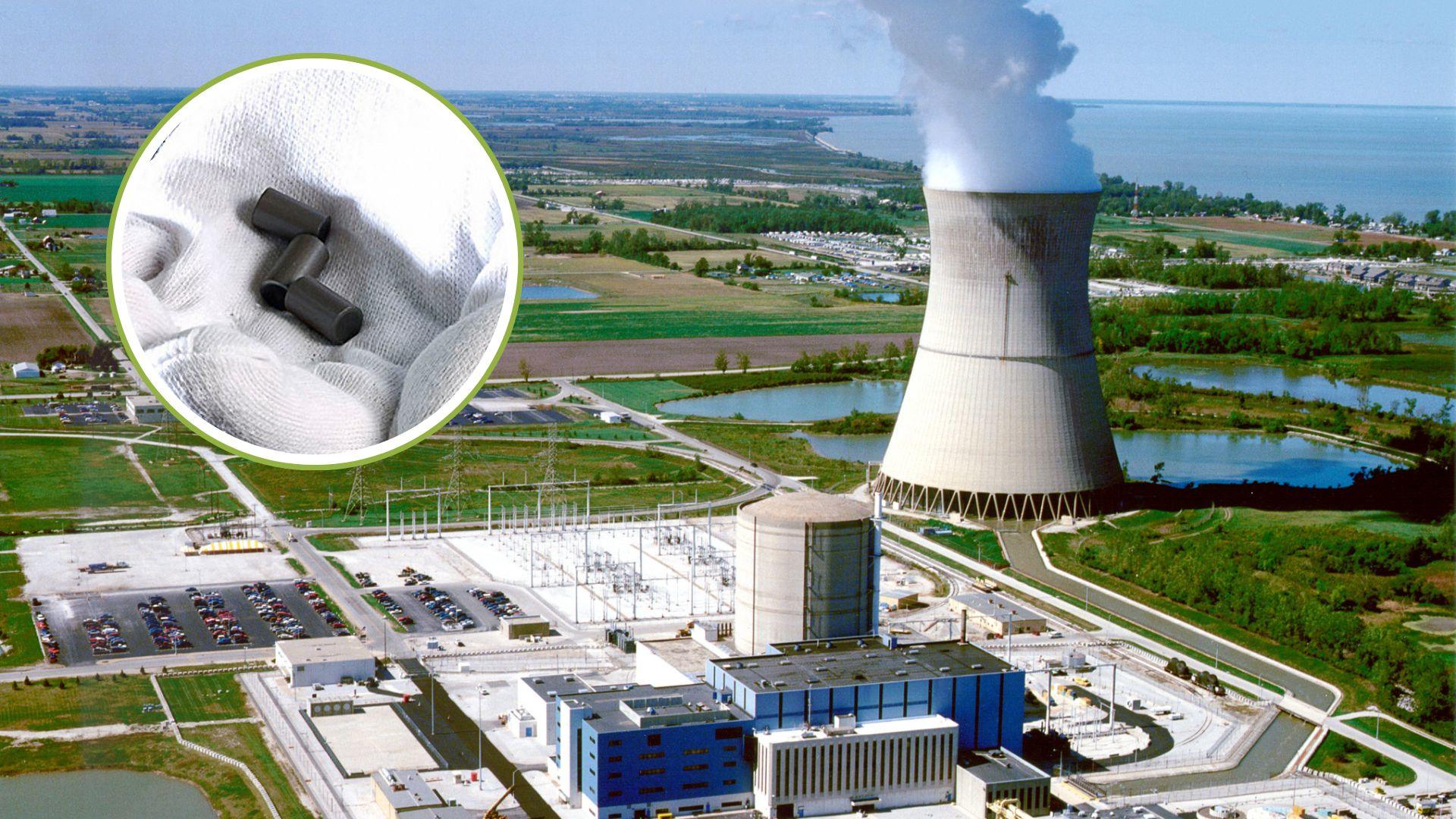
Earlier coverage from The Times of Central Asia indicated that Uzbekistan aims to operationalize a high-capacity nuclear power plant by 2035. According to Uzatom director Azim Akhmedkhadjaev, the first small modular reactor will start functioning in 2029 in the Jizzakh region, with subsequent units added in the early 2030s.
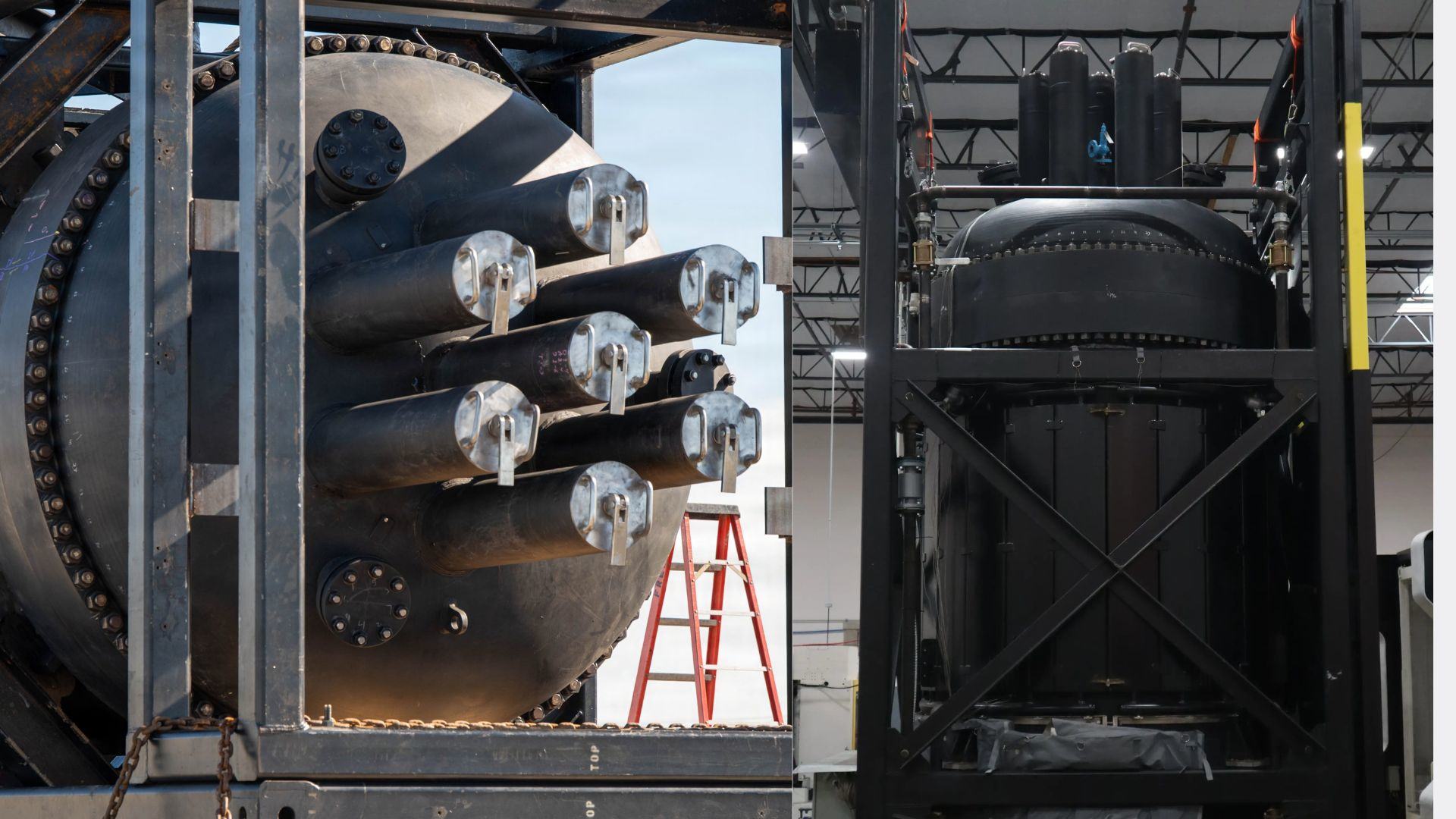
The Jizzakh initiative, featuring six 55 MW reactors for a total of 330 MW, will employ Russian RITM-200N technology adapted for onshore use. Site assessments confirm its suitability, with preparatory activities underway to accelerate deployment.
Uzbekistan’s energy expansion underscores a balanced progression toward modernization. Combining conventional enhancements like the Samarkand plant with renewables and emerging nuclear options positions the country to address demand growth effectively. These projects not only fortify domestic supply but also attract international expertise, fostering long-term economic resilience.
Through strategic alliances, Uzbekistan is building a versatile energy framework that supports industrial development and urban expansion. As implementations proceed, they promise to elevate living standards while aligning with global trends in efficient, low-impact power generation.
solar stations, and is planning the country’s first large-scale battery storage system in Parkent district.
Mirzamahmudov also highlighted plans to support the new Tashkent airport with renewable aviation fuel production.
This initiative is facilitated by a collaboration between Saudi Arabia’s Vision Invest and US-based Air Products, who have agreed to develop a sustainable aviation fuel (SAF) plant.
These energy initiatives are part of Uzbekistan’s broader strategy to diversify its energy sources in anticipation of future needs.
According to earlier reports from The Times of Central Asia, the nation plans to have a high-capacity nuclear power plant fully operational by 2035.
According to Uzatom director Azim Akhmedkhadjaev, the initial small modular reactor will become operational in 2029 in the Jizzakh region, with additional units to follow in the early 2030s.