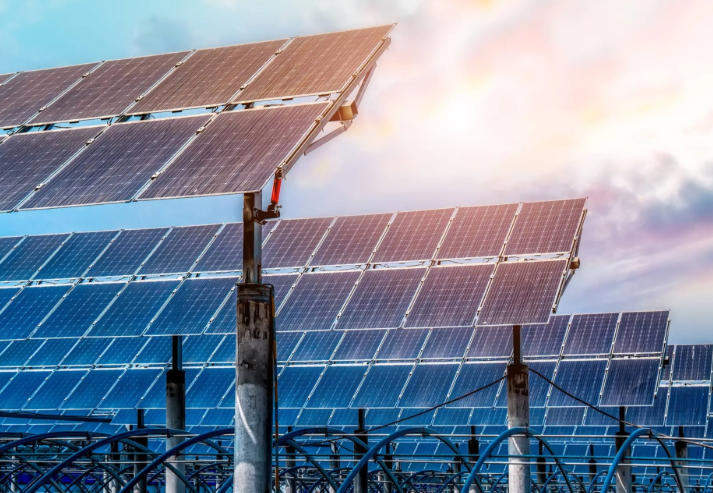
SoftBank Fine-Tunes PV-Battery Tech for High Altitudes
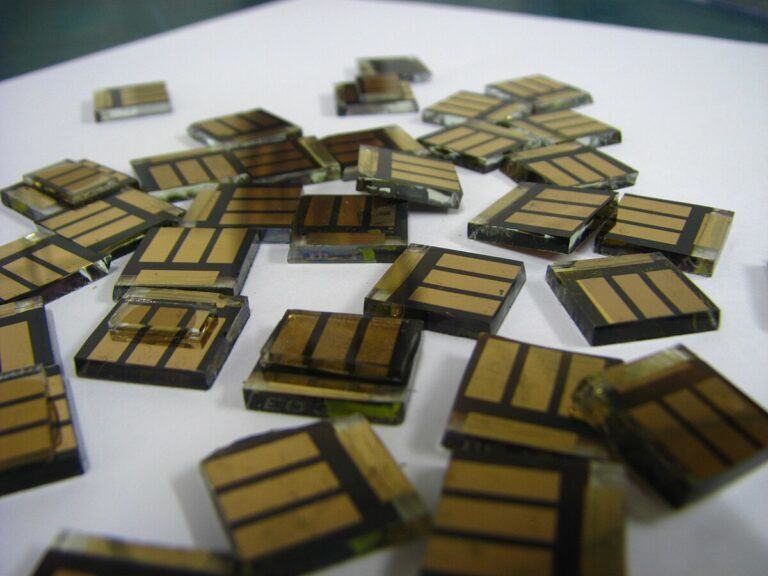
Wedoany.com Report-Oct. 25, SoftBank Corp, a subsidiary of Japan’s SoftBank Group, has launched a four-year research initiative to develop advanced battery technology and high-efficiency solar cells for high-altitude platform station (HAPS) aircraft. The project, set to commence before March 31, 2026, is supported by Japan’s New Energy and Industrial Technology Development Organization (NEDO) and involves collaboration with the National Institute of Advanced Industrial Science and Technology (AIST), battery specialist Enax, and solar module manufacturer Choshu Industry.
A concept of a HAPS aircraft
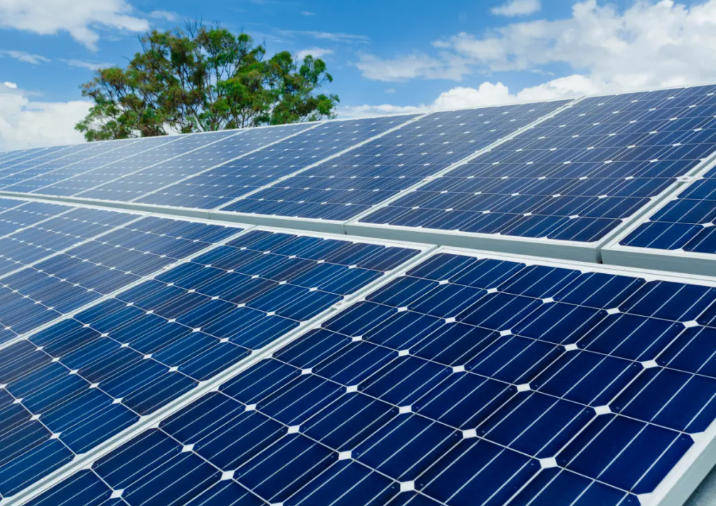
The initiative focuses on creating lightweight, durable components capable of withstanding the extreme conditions of HAPS operations, which occur at altitudes above commercial airspace. These uncrewed aircraft, designed to carry payloads like telecommunications equipment, require robust power systems to operate for extended periods. The research targets improvements in photovoltaic (PV) cells and battery technologies to address challenges such as cold temperatures, low air pressure, intense ultraviolet radiation, and the unique solar spectrum at high altitudes.
A key objective is developing solar modules with thinner, lighter cells and materials to reduce aircraft weight while maintaining performance. The project also considers operational needs in higher-latitude regions like Japan, where shorter winter sunlight hours demand efficient energy capture and storage. The collaboration aims to ensure these modules remain reliable under harsh environmental conditions, supporting long-duration missions.
Battery development is equally critical. “To reduce the weight of the battery pack, it is necessary to assess the performance of next-generation battery cells with high gravimetric energy density (Wh/kg), such as lithium metal batteries, which offer advantages in both weight and volume reduction compared to lithium-ion secondary batteries, and to develop technologies that enable their integration into battery packs,” SoftBank Corp stated. These advancements aim to enhance energy efficiency and extend operational capabilities for HAPS aircraft.
This project builds on a 2024 feasibility study that identified key technical requirements for HAPS battery and solar technologies. The new funding from NEDO enables expanded research to address these challenges, advancing the practical application of HAPS systems. SoftBank’s prior publications on HAPS activities underscore its commitment to refining this technology for telecommunications and other uses.
The collaboration leverages AIST’s research expertise, Enax’s battery innovation, and Choshu Industry’s solar module proficiency to create a sustainable, high-performance energy system. By reducing component weight and improving durability, the project supports the broader adoption of HAPS technology, which could enhance connectivity in remote areas and contribute to disaster response and environmental monitoring.
This initiative reflects Japan’s focus on advancing clean energy solutions for innovative applications. The development of lightweight, resilient solar and battery technologies positions SoftBank and its partners as leaders in high-altitude aviation, fostering sustainable progress in telecommunications and beyond.
Related Products

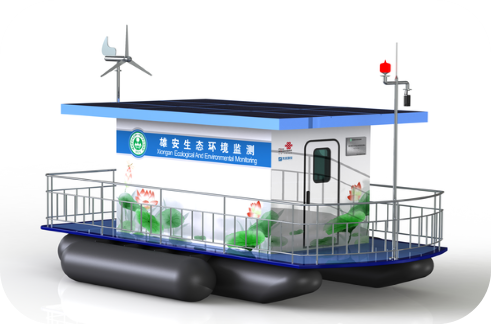
Floating Boat Water Quality Automatic Monitoring System
Hebei Sailhero Environmental Protection High-tech Co., Ltd.
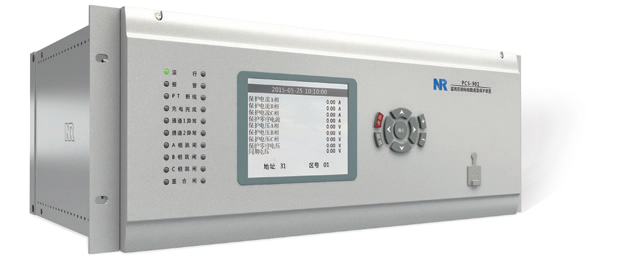
PCS-901 Series Ultra (Extra) High-voltage Transmission Line Complete Protection Device
Nanjing NR Electric Co., Ltd.
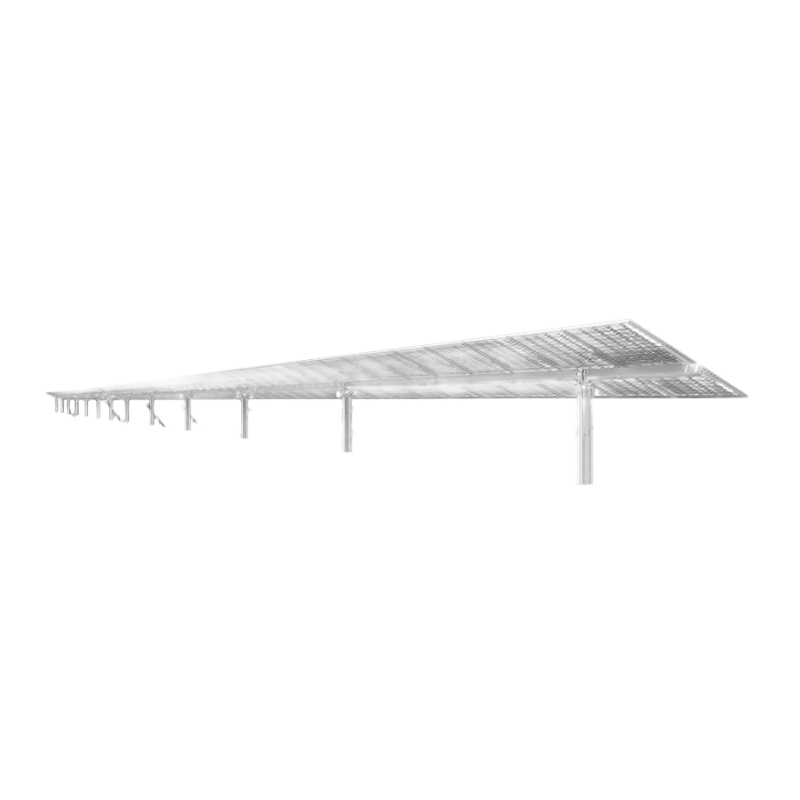
TAI Slew-drive Single-axis Independent 1P Tracking Bracket System
ANTAI TECHNOLOGY CO., LTD.
Inductive Power Harvesting Self-Powered Device - Safuneng
SELF ENERGY TECHNOLOGY (SHENZHEN) CO., LTD.
Ultrasonic Wind Speed and Direction Instrument
Kingmach Measurement & Monitoring Technology Co., Ltd.
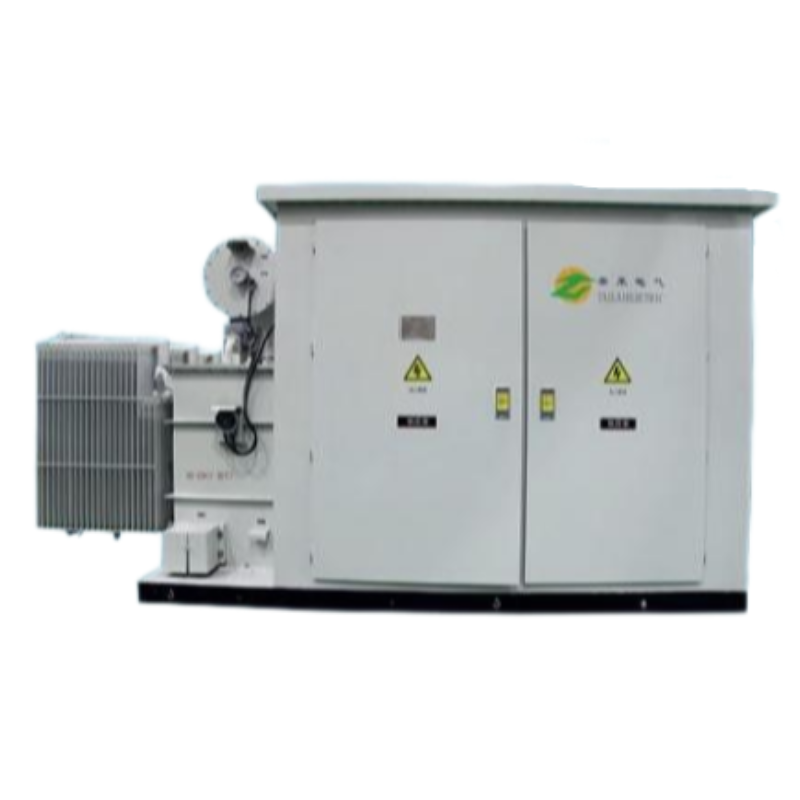
Smart Photovoltaic Prefabricated Substation
Shanghai Jinyou Jinhong Intelligent Electric Co., Ltd.