Xinjiang’s Horgos Becomes China’s Largest Land Port for Vehicle Exports
Wedoany.com Report-Oct. 25, Horgos Port in northwest China's Xinjiang Uygur Autonomous Region has emerged as the country's largest land port for commercial vehicle exports, with shipments exceeding 300,000 units so far this year, according to Urumqi Customs. This milestone highlights the port's growing role in facilitating efficient trade flows across borders.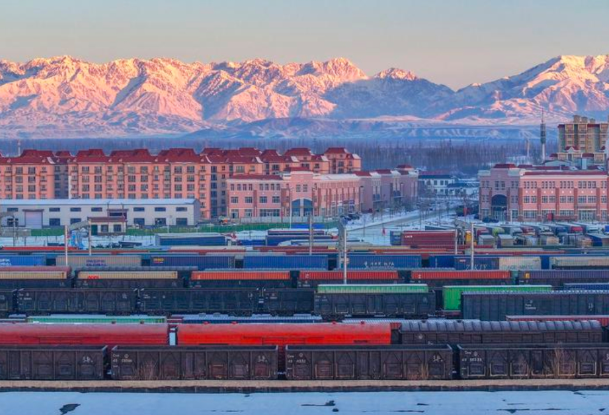
In the first three quarters of the year, Xinjiang's overall foreign trade volume achieved 393.14 billion yuan (approximately 55.4 billion U.S. dollars), marking a 22.1% increase from the previous year. This upward trajectory demonstrates sustained momentum in regional commerce, driven by enhanced logistics and market access.
The port's achievements align with a wider pattern of increased involvement from private companies in Xinjiang, which now contribute 98% to the expansion in foreign trade. A total of 3,629 such enterprises are actively participating, fostering dynamic growth in various sectors. Key areas of strength include household appliances, lighting fixtures, and automotive products along with components, all showing robust results, as noted by Li Qinghua, vice commissioner of Urumqi Customs.
Xinjiang's commerce with countries participating in the Belt and Road Initiative rose 14.2% year on year, reaching 341.49 billion yuan during the same period. Central Asian partners continue to lead as primary trading counterparts, with combined volumes totaling 215.73 billion yuan. These connections underscore the region's strategic position in facilitating cross-continental exchanges.
Li Qinghua highlighted upcoming priorities: “Future efforts will focus on establishing the core Silk Road Economic Belt area, enhancing regulatory efficiency, and empowering enterprises to drive high-quality foreign trade development.”
This progress reflects coordinated strategies to optimize trade infrastructure and support business operations. Horgos Port's capacity for handling large-scale vehicle shipments has streamlined exports to neighboring markets, benefiting manufacturers and logistics providers alike. The involvement of private firms has diversified offerings, from consumer goods to industrial equipment, ensuring balanced trade portfolios.
The surge in volumes with Central Asian nations promotes mutual economic benefits, including shared supply chains and investment opportunities. By improving customs processes and connectivity, Xinjiang is positioning itself as a vital node in broader international networks. This not only boosts local economies through job creation and revenue but also enhances product accessibility for global consumers.
Ongoing initiatives aim to sustain this growth trajectory while prioritizing efficiency and innovation. Enhanced regulatory frameworks will aid enterprises in navigating trade requirements, while infrastructure upgrades at ports like Horgos will accommodate rising demands. The emphasis on high-quality development ensures long-term viability, aligning with goals for stable and inclusive commerce.
Overall, these developments illustrate Xinjiang's evolving contributions to national and regional trade landscapes. With private sector dynamism at the forefront, the area is set to continue its role in fostering reliable export channels and strengthening partnerships across Asia.
Related Products



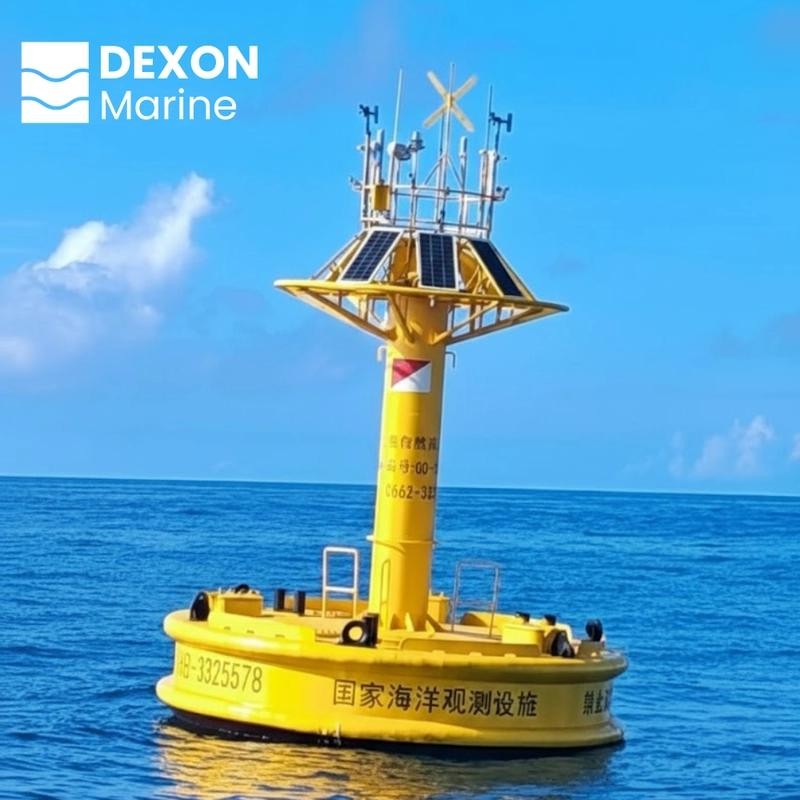
3m intelligent buoy combining navigation safety and real-time marine monitoring integrated navigation and marine monitoring system for real-time maritime data
Chengdu Dixin Technology Co., Ltd.![IVECO Cash-in-Transit [DMT5048XYCL3-AM] - Chongqing Dima Industry Co., Ltd](https://img.wedoany.com/2026/0911/20260911030157582.png)


Industrial and Commercial Point-Type Gas Detector
Jinan Benan Technology Development Co., Ltd.
Pantograph-Catenary Comprehensive Detection Device (1C)
CHENGDU TANGYUAN ELECTRIC CO., LTD.