Singapore and China Elevate Cooperation on Green Shipping Corridor
Wedoany.com Report-Oct. 28, Singapore and China have agreed to jointly establish a green and digital shipping corridor to foster innovation, strengthen maritime connectivity, and support the global shift toward a more sustainable shipping sector. The formal collaboration on the Singapore-China Green and Digital Shipping Corridor (GDSC) was confirmed through a memorandum of understanding (MoU) signed on October 19 by the Ministry of Transport of the Republic of Singapore and the Ministry of Transport of the People’s Republic of China.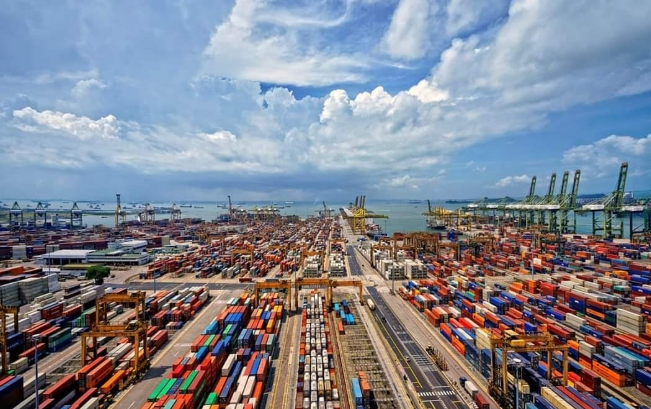
The MoU elevates previous collaboration at municipality and provincial levels, which involved projects with Tianjin and Shandong, to a national framework. This step reflects both countries’ commitment to advancing maritime decarbonization and enhancing the overall efficiency and resilience of maritime transport.
Under the agreement, Singapore and China will engage with industry stakeholders to improve port operations, supply chain processes, and the adoption of sustainable technologies. The collaboration will focus on developing infrastructure, standards, and supporting technologies that enable low-carbon shipping practices and enhance connectivity across the maritime ecosystem.
The initiative also emphasizes digitalization of maritime operations. The MoU promotes the use of data-driven systems to increase operational efficiency, transparency, and resilience throughout the maritime value chain. By integrating digital solutions, the corridor aims to streamline processes, reduce emissions, and facilitate informed decision-making for shipping operators and port authorities.
This partnership complements Singapore’s broader efforts to establish sustainable shipping corridors in the region. Last month, Singapore signed an MoU with India to develop a green shipping corridor, which includes supporting infrastructure and technologies to transition the maritime sector toward zero or near-zero greenhouse gas emission fuels.
The Singapore-China GDSC is expected to serve as a model for future green and digital shipping initiatives, demonstrating how international collaboration can drive innovation, environmental sustainability, and operational efficiency in the maritime industry. By combining expertise, technology, and regulatory support, both countries aim to promote cleaner shipping practices while enhancing trade connectivity across Asia and beyond.
Through this corridor, Singapore and China intend to support the maritime sector’s long-term transition to sustainable fuels, encourage investment in low-carbon technologies, and foster knowledge exchange among ports, shipping companies, and related industries. The initiative underscores the growing importance of aligning environmental goals with trade and transport efficiency in the global shipping sector.
Overall, the MoU sets a foundation for comprehensive collaboration on decarbonization, digital transformation, and sustainable infrastructure in maritime transport, positioning Singapore and China at the forefront of regional efforts to build greener and smarter shipping networks.
Related Products




XC-6000e Type Aviation Catering Truck (Fuel Type)
Shenzhen CIMC-TianDa Airport Support Ltd.![IVECO Cash-in-Transit [DMT5048XYCL3-AM] - Chongqing Dima Industry Co., Ltd](https://img.wedoany.com/2026/0911/20260911030157582.png)

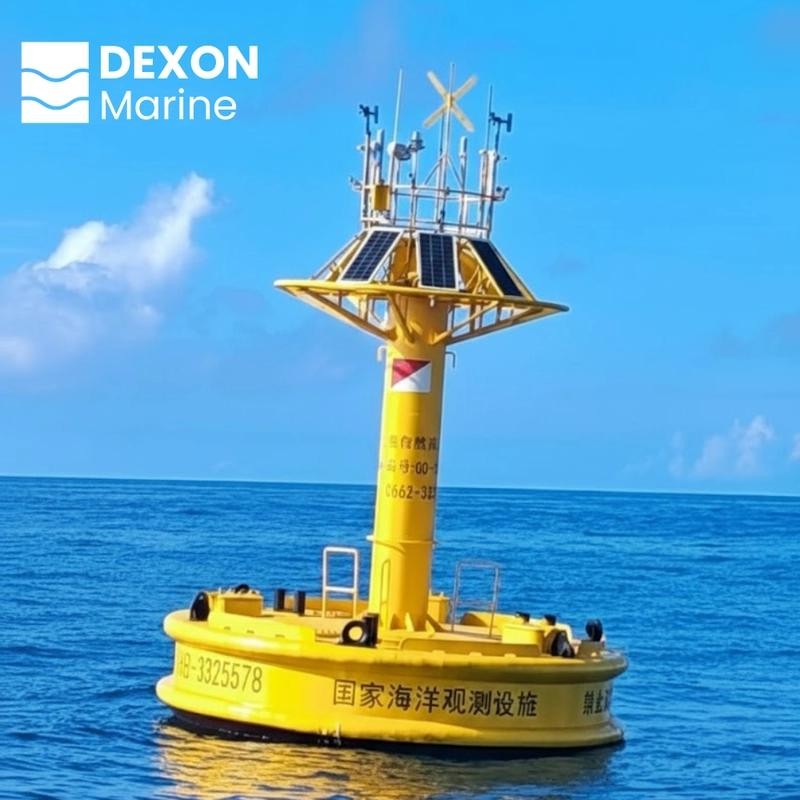
3m intelligent buoy combining navigation safety and real-time marine monitoring integrated navigation and marine monitoring system for real-time maritime data
Chengdu Dixin Technology Co., Ltd.
Pantograph-Catenary Comprehensive Detection Device (1C)
CHENGDU TANGYUAN ELECTRIC CO., LTD.