U.S. Cattle Industry Braces for Impact as Mexican Imports Loom
Wedoany.com Report-Oct. 31, Jackie Moore, owner of Joplin Regional Stockyards in Missouri, said the U.S. cattle market is likely to react strongly once live cattle imports from Mexico resume. “Probably the thought of it happening and when it happens, it’s probably going to break the market,” Moore told Brownfield, though he added he does not expect any price downturn to last long. “They’re going to cross those cattle, and that’s going to add to our numbers,” he said. “But I think we’ll be short enough of cattle domestically. Once we get past the thought of those cattle coming across, we’re back in good shape. I don’t think there are enough numbers over here to break the market because we’re going to be so short here in the US.”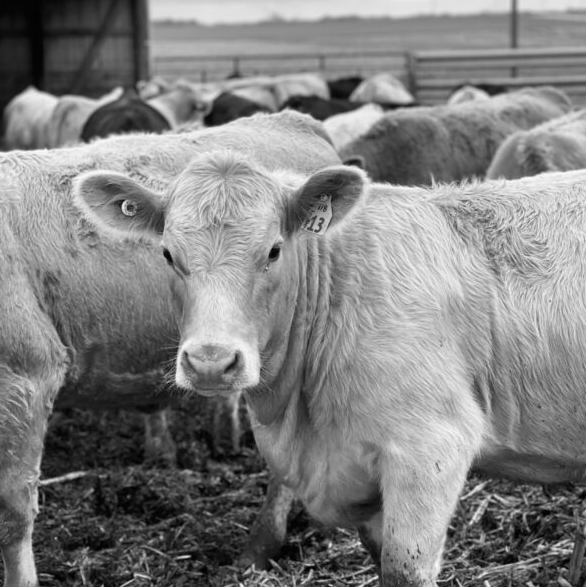
A date for reopening the southern border to Mexican cattle imports has not yet been set. U.S. Agriculture Secretary Brooke Rollins said at the National FFA Convention in Indianapolis that she will meet with Mexico’s President Claudia Sheinbaum and Agriculture Minister Julio Berdegue on Monday. “There’s about 250,000 head of cattle waiting to move over,” Rollins said. “But I am not convinced yet that we have this under control.”
Texas Agriculture Commissioner Sid Miller has supported partially resuming live cattle imports from Mexico to help stabilize domestic supplies. He noted that about 15% of feeder cattle in the U.S. come from Mexico, but the extended pause has caused a supply backlog. November to February is traditionally the “Mexican feeder cattle season,” and Miller suggested ports could reopen in a controlled, incremental way without increasing the risk of pests such as New World screwworm.
Earlier this week, Miller praised the FDA’s decision to grant an Emergency Use Authorization for a new animal drug to treat New World screwworm larvae in adult dogs and puppies. This development provides additional tools to manage the pest risk, supporting a potential gradual resumption of Mexican cattle imports.
Moore emphasized that while Mexican cattle will temporarily increase supply, the U.S. domestic shortage should prevent a long-term price decline. The resumption of trade is expected to have an immediate market impact, but Moore said the market will stabilize once the initial flow of imported cattle is absorbed.
The discussions between U.S. and Mexican agricultural authorities, combined with the FDA’s recent actions, indicate careful steps are being taken to reopen imports safely while maintaining domestic herd health and market stability. For producers and stockyards, the timing and scale of imports will be closely monitored to balance supply and price stability.
In summary, once live cattle imports from Mexico resume, the market may see short-term fluctuations, but domestic supply shortages are expected to prevent prolonged price declines. Authorities are coordinating with Mexico and implementing measures to manage pest risks, ensuring a controlled and safe reopening of trade in Mexican feeder cattle.
Related Products



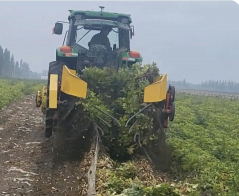
4HS-8 High-efficiency Peanut Inverted-laying Harvester
Hebei Yongfa Hongtian Agricultural Machinery Manufacturing Co., Ltd.

Industrial and Commercial Point-Type Gas Detector
Jinan Benan Technology Development Co., Ltd.
714CD Series C-Band Weather Radar
Chengdu Zhongdian Jinjiang Information Industry Co., Ltd.