Wedoany.com Report-Nov. 13, The NTA – Metropolitan Mass Transit System has launched the prequalification process for the design and construction of the first phase of the Tel Aviv Metropolitan Metro Programme in Israel. The project, valued at around NIS65 billion ($20 billion), aims to establish a modern urban rail system across the Tel Aviv metropolitan area.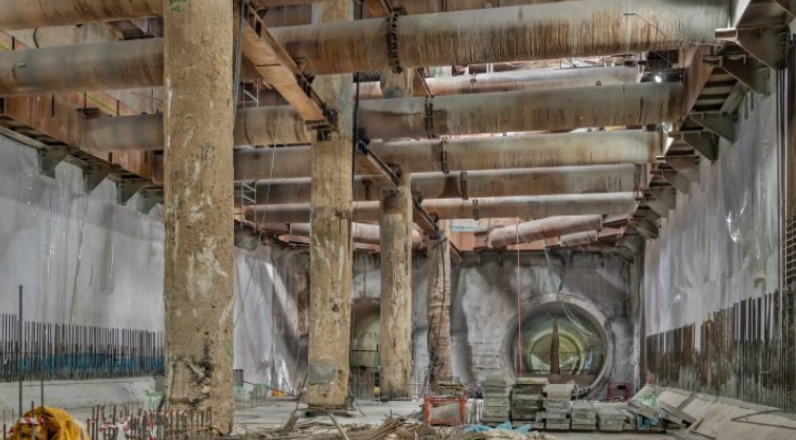
The Tel Aviv metro will eventually comprise three lines: M1, M2, and M3.
NTA is overseeing the development of a metro network comprising three primarily underground lines, covering approximately 150 km and including 109 stations. The prequalification invitation is intended to identify potential participants who may later be invited to submit bids for the first construction phase.
The initial stage encompasses 76 km of tunnels and 59 stations, divided into 11 ‘Infra #1 Work Packages’. Each package involves the design and construction of tunnel sections using tunnel boring machines, as well as building underground stations through cut-and-cover methods. Four of the 11 packages will additionally cover station or crossover construction using traditional sequential tunneling techniques.
The award of contracts for these work packages will occur in several phases over multiple years. Once prequalification submissions are evaluated, the committee will publicly announce which participants meet the requirements and are not disqualified. These qualified participants will be invited to participate in future tenders for the project.
The metro network is planned as a frequent urban rail system. Trains on the M1 line are expected to be approximately 115 meters long, while M2 and M3 line trains will be around 95 meters long, each with a width of about 3.2 meters. Service frequency is projected at two-minute intervals on the M1 and M2 lines and three-minute intervals on the M3 line, helping reduce street-to-street journey times.
Passenger capacity is estimated at around 27,000 passengers per hour per direction on Line M1, approximately 21,000 per hour per direction on Line M2, and about 11,000 per hour per direction on Line M3. The metro lines’ design is aligned with the 2050 transportation model, aiming to support future urban mobility needs and provide efficient, high-capacity transit across Tel Aviv.
This prequalification step marks the start of a major infrastructure effort that will enhance connectivity, reduce travel times, and improve public transport accessibility in the region. By involving multiple work packages and phased construction, the Tel Aviv Metro Programme is structured to ensure efficient project delivery while maintaining high safety and technical standards.
The NTA’s initiative reflects a commitment to developing a world-class metro network capable of serving the growing metropolitan population, integrating advanced rail technology, and supporting sustainable urban transport solutions for the decades ahead.