Eastern Pacific Locks in 12 Newbuilds at Hengli
Wedoany.com Report-Dec.1, China's Hengli Shipbuilding has finalized a large-scale newbuilding contract with Singapore-based Eastern Pacific Shipping (EPS), covering 12 vessels in total. The agreement, valued at between $1.1 billion and $1.6 billion, includes three different ship types and represents one of the yard's largest orders this year.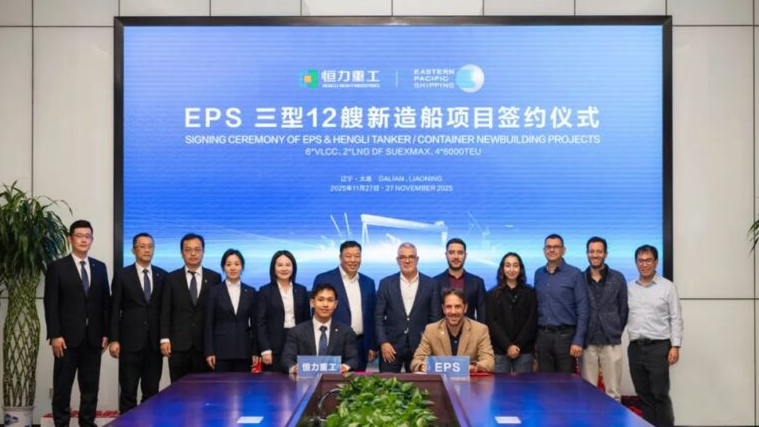
The package consists of six 306,000 dwt very large crude carriers (VLCCs), marking EPS's first VLCC newbuilding commitment in over seven years, following the demolition of its 2000-built Maritime Jewel in 2018. The order supports the company's ongoing efforts to expand its crude-oil tanker fleet after previous focus on aframax, suezmax, and more recently MR product tankers.
Additionally, EPS has confirmed two 158,000 dwt suezmax tankers with LNG dual-fuel capability. These vessels follow an earlier contract for two similar units signed in July, with the latest pair scheduled for delivery during the first half of 2028.
The contract is completed by four 6,000 teu container ships, equipped with scrubbers and high reefer capacity. Earlier reports had associated EPS with up to eight units of this size at Hengli, each priced around $80 million.
Located in Dalian, Hengli Shipbuilding continues to strengthen its presence in the international newbuilding sector. The yard has recently secured orders across multiple segments, including containerships, bulk carriers, and various tanker types. Its current orderbook approaches 100 vessels, with delivery slots now extending to 2029.
For Eastern Pacific Shipping, led by Idan Ofer, the transaction further demonstrates its active investment strategy in fleet renewal and modernization. The company maintains a broad newbuilding program that spans crude and product tankers, LNG-ready vessels, gas carriers, and containerships, helping it meet evolving market demand while enhancing operational efficiency.
The confirmation of this multi-type order highlights continued confidence in long-term shipping requirements and underscores the growing cooperation between leading Chinese shipbuilders and major international owners. Deliveries of the various vessels will be phased over the coming years, contributing additional modern tonnage to the global fleet.
Related Products

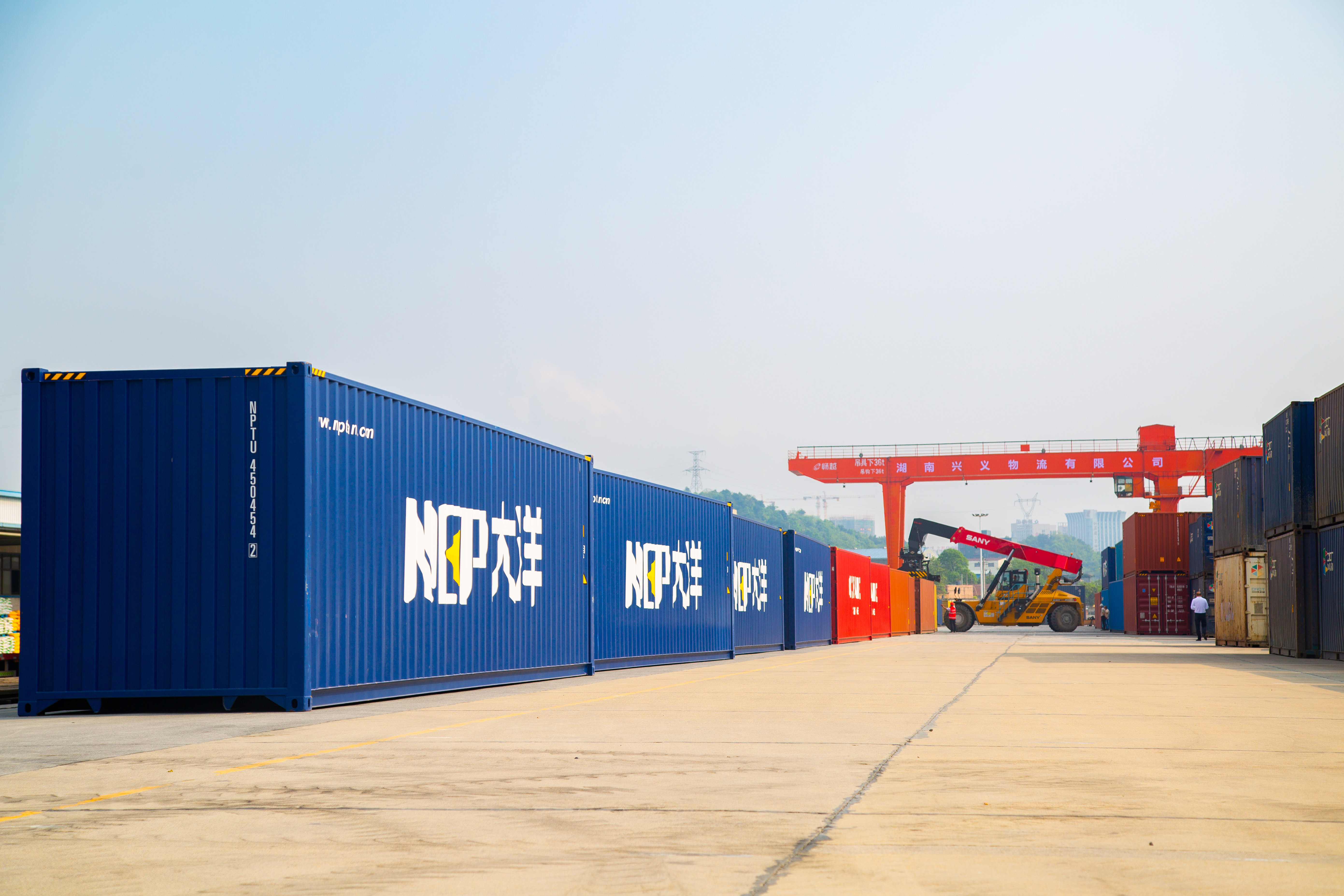
China - Alashankou/Khorgos - Europe Full Range Transportation (Mala/Hamburg/Duisburg/Budapest, etc.)
Shenzhen Neptune Logistics Co., Ltd.

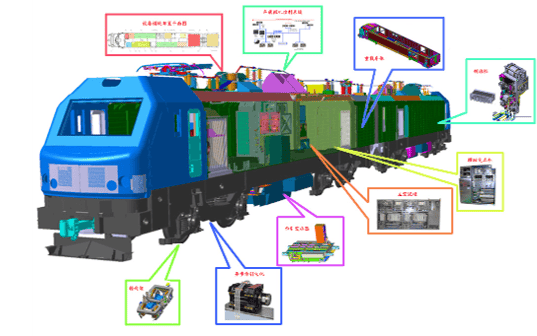
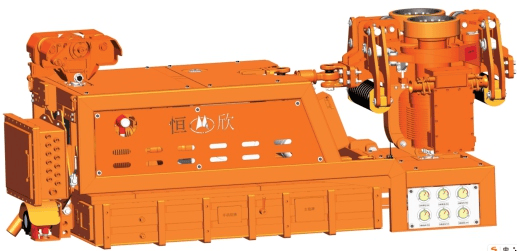
Explosion-proof lithium battery dispatching monorail crane locomotive (permanent magnet frequency conversion integrated machine)
Xiangtan Hengxin Industrial Co., Ltd.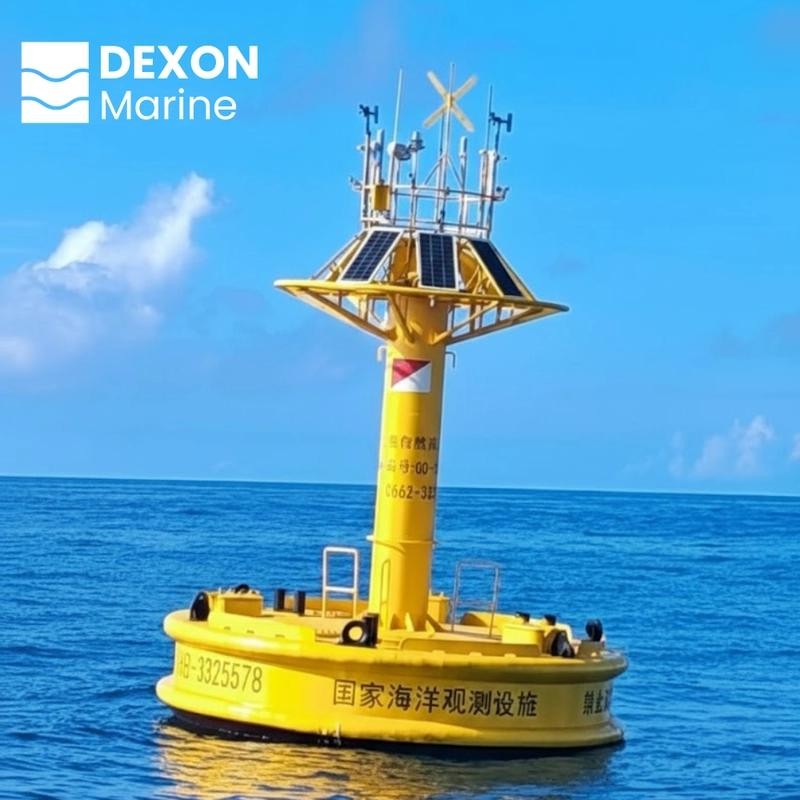
3m intelligent buoy combining navigation safety and real-time marine monitoring integrated navigation and marine monitoring system for real-time maritime data
Chengdu Dixin Technology Co., Ltd.