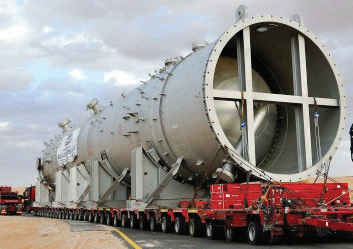
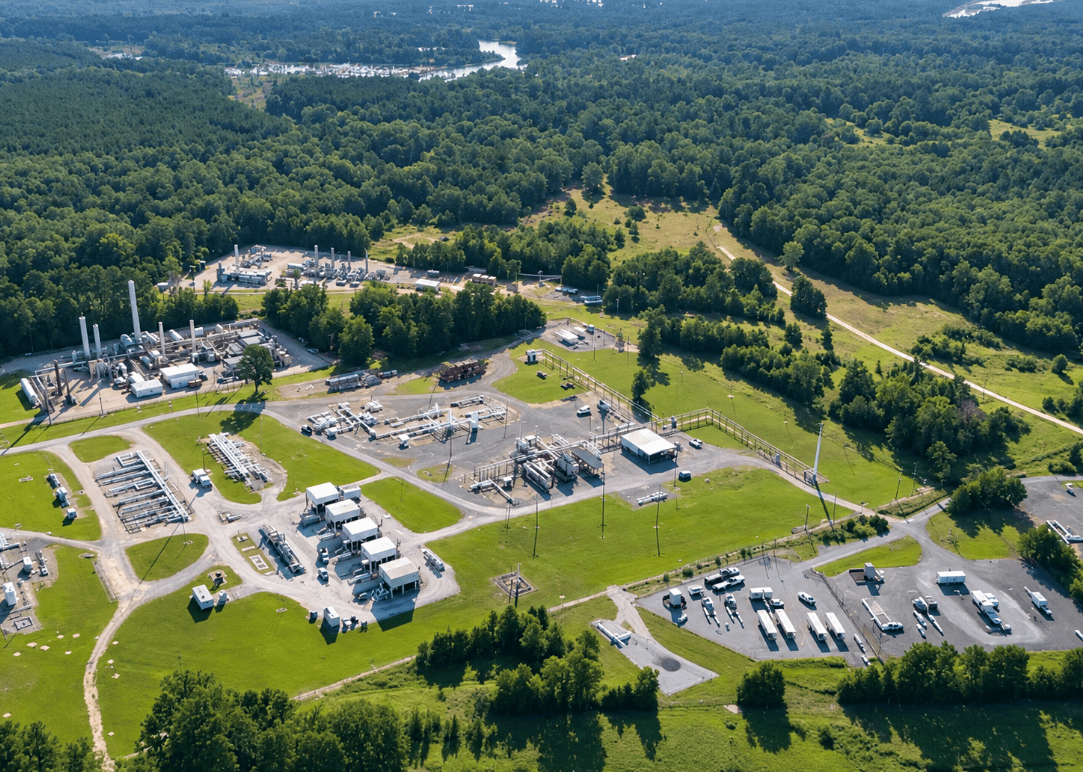
GE Vernova Expects 80 Gigawatts of Gas Turbine Contracts by Year’s End
Wedoany.com Report-Dec.10, GE Vernova, a major manufacturer of power generation equipment, announced on Tuesday that it expects to secure contracts for approximately 80 gigawatts of combined-cycle gas turbines by the end of 2025. The surge in orders is driven by rising electricity requirements from large-scale data centers supporting artificial intelligence applications.
Electricity consumption in the United States has reached record levels this year, largely due to the rapid expansion of energy-intensive data centers operated by technology companies. This trend has significantly increased demand for natural gas-fired power generation equipment.
Speaking at an investor conference, GE Vernova CEO Scott Strazik revealed that the company's gas turbine production capacity is fully booked through 2028, with only limited availability remaining for 2029.
Regarding the sustainability of AI-driven power demand, Strazik expressed confidence in continued growth. "What we're seeing in the fourth quarter, and into 2026, is accelerating growth in demand," he said. "Orders in the fourth quarter growing materially from hyperscalers."
He further noted that data center projects are projected to represent about one-third of the company's gas power equipment sales in the U.S. market in the coming years.
In the current quarter alone, GE Vernova has already secured contracts for 18 gigawatts of gas power equipment, more than double the 8 gigawatts signed during the first quarter of 2025.
The Massachusetts-based company benefits from strong order visibility as power producers and technology firms work to meet growing computational needs. Despite robust demand, industry expansion faces challenges related to obtaining state and local permits for new power plants and securing adequate natural gas pipeline infrastructure across regions.
GE Vernova continues to position itself as a key supplier in the evolving power generation landscape, supporting reliable and efficient electricity supply for both traditional and emerging high-growth sectors. The company’s advanced combined-cycle technology remains in high demand as utilities and data center operators seek solutions that balance performance with operational flexibility.
Related Products


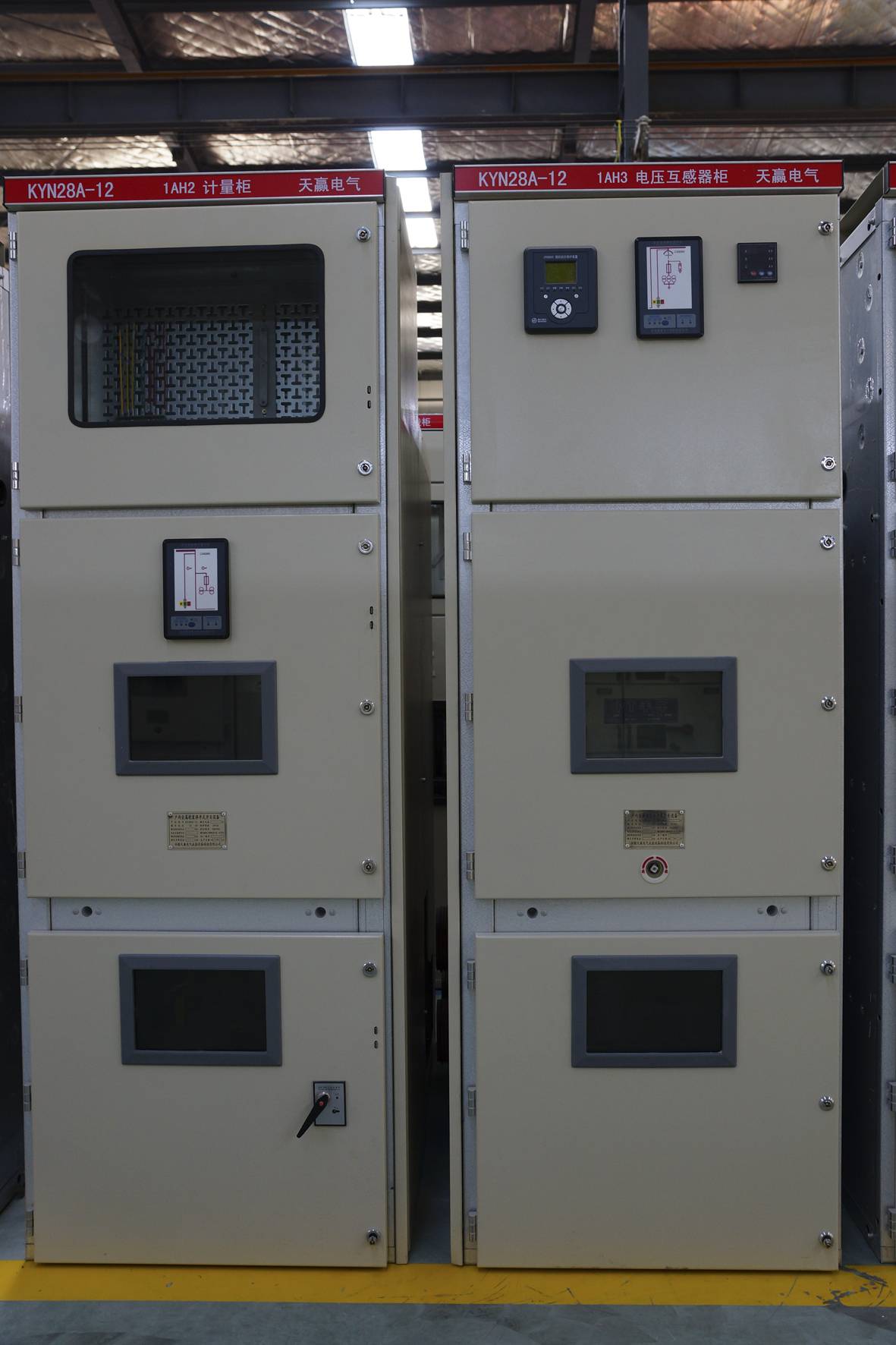
KYN28 - High Voltage Switchgear
Anhui Tianying Electrical Equipment Manufacturing Co., Ltd.
Off-Grid Fuel Cell Supercharging Station (180kW Configuration)
Shanghai REFIRE Group Limited
Industrial and Commercial Point-Type Gas Detector
Jinan Benan Technology Development Co., Ltd.