Nigeria Issues Permits for Gas-Flaring Project, Targets $2 Billion Investment and 3 GW Power Potential
Wedoany.com Report-Dec.13, Nigeria granted permits to 28 companies on December 12, 2025, as part of the Nigerian Gas Flare Commercialisation Programme (NGFCP), designed to reduce routine gas flaring, lower carbon emissions, and utilize the gas for electricity production.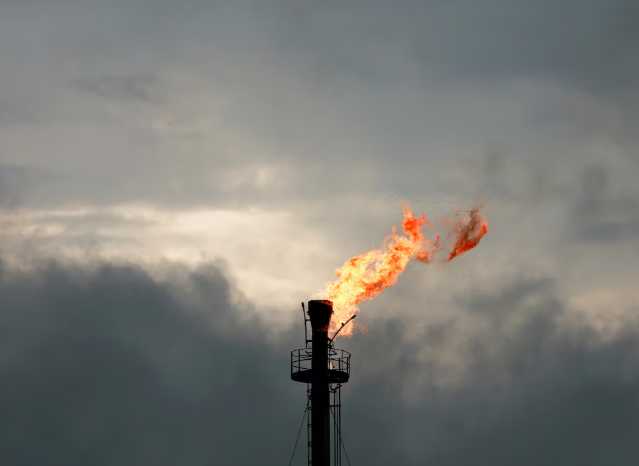
The initiative represents a significant advancement in eliminating flaring and converting previously unused gas into valuable resources, according to statements from NGFCP officials on that date.
Gas flaring involves the controlled combustion of natural gas produced alongside oil during extraction processes.
These projects are projected to capture between 250 and 300 million standard cubic feet per day of currently flared gas, reduce approximately 6 million tonnes of CO₂ emissions each year, and enable around 3 gigawatts of additional power generation capacity, based on programme documentation.
The effort is anticipated to draw up to $2 billion in investments and generate over 100,000 employment opportunities. It is also expected to yield 170,000 metric tonnes of liquefied petroleum gas annually, facilitating access to cleaner cooking fuel for about 1.4 million households.
The permits were issued following a competitive bidding process that allocated 49 flare sites to 42 initial bidders, with restructuring implemented after the COVID-19 period and the enactment of the Petroleum Industry Act.
Gbenga Komolafe, Commissioner of the Nigerian Upstream Petroleum Regulatory Commission, participated in the ceremony in Abuja and handed over the certificates to representatives of the 28 companies.
"The NGFCP is a pillar in our quest to eliminate routine flaring, reduce emissions, and enhance Nigeria's global credibility in energy transition commitments," an NGFCP official said.
The programme supports Nigeria's broader Energy Transition Plan by transforming flared gas from a potential environmental concern into a resource for economic development.
The selected companies have completed essential agreements, such as Connection, Milestone Development, and Gas Sales Agreements, granting them access to the flare gas.
Oil producers stand to gain from lower obligations, better environmental performance, and alignment with national goals for reduced carbon output.
Assistance has come from various partners, including Power Africa, KPMG, the World Bank's Global Gas Flaring Reduction partnership, USAID, and financial institutions, providing expertise in technical and commercial aspects.
An official emphasized that while the permits represent an important achievement, the next phases require prompt progress.
"The real work starts now," the official added. "This programme will create economic, industrial and environmental value while strengthening Nigeria's energy transition."
Related Products
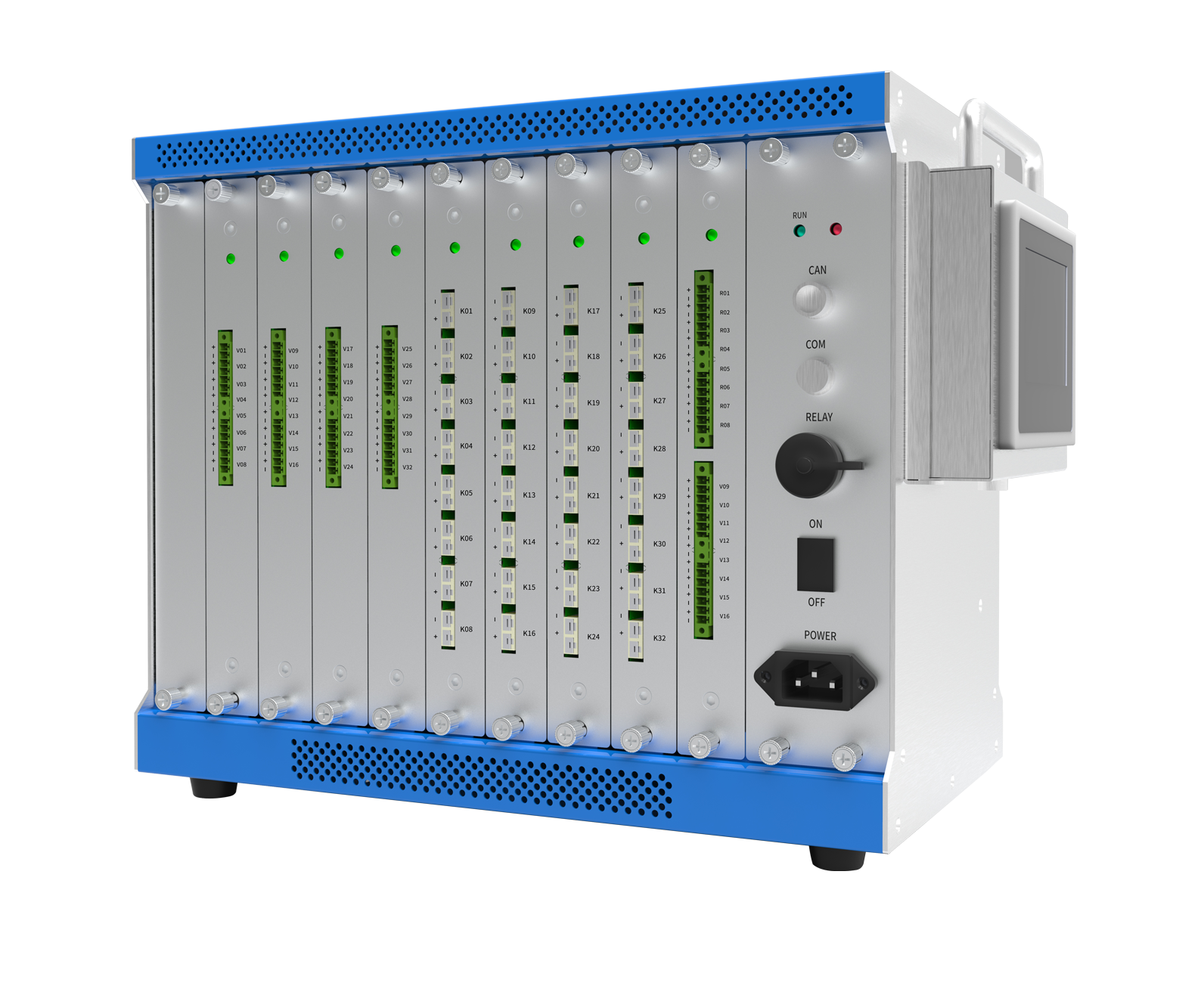

Optional Accessory - Auxiliary Sampling Module
Beijing Soaring Electric Technology Co., Ltd.
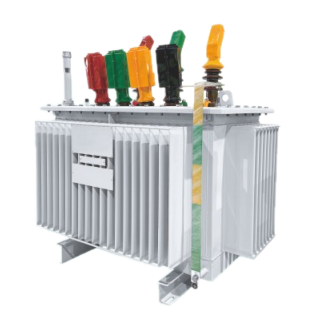
IS(B)□-M·RL Series Oil-immersed 3D Transformer (Planar / 3D Wound Core)
Guangdong Kehua Electric Power Technology Co., Ltd.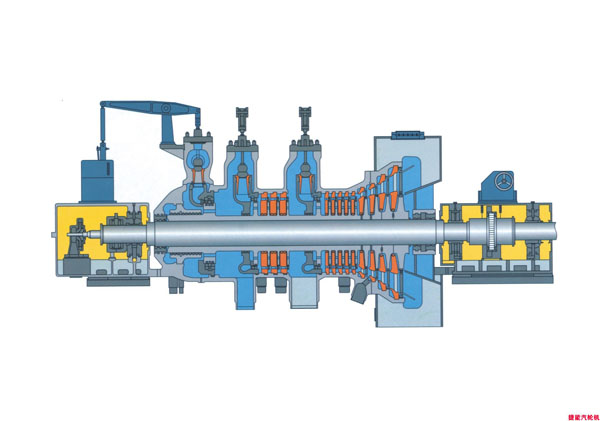
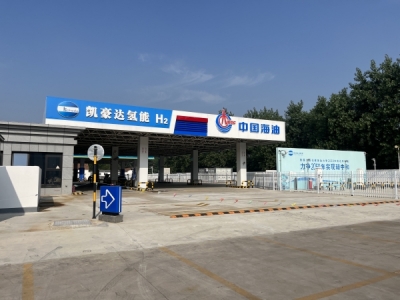
Hydrogen production and hydrogenation charging refueling gas integrated energy station
Shenzhen Kohodo Hydrogen Energy Co., Ltd.
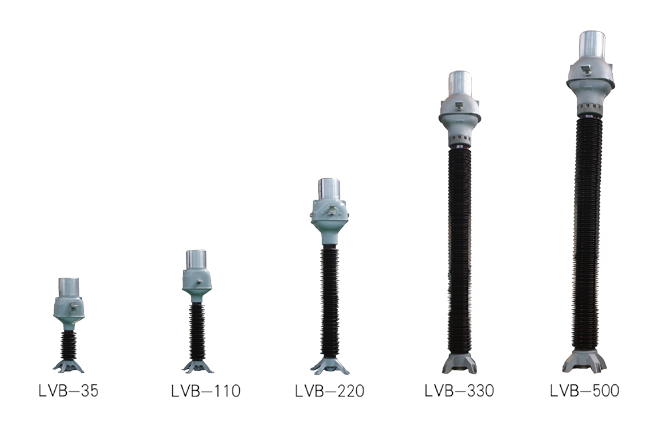
LVB Series 35-500kV Oil-immersed Inverted Current Transformer
Shandong TaiKai Instrument Transformer Co., Ltd.