Re-START Alliance Flagship Project to Boost India Textile-To-Textile Recycling
Wedoany.com Report-Dec.17, The Cluster Collective programme, a four-year initiative led by founding partner IDH, has been launched to strengthen India's textile recycling capabilities.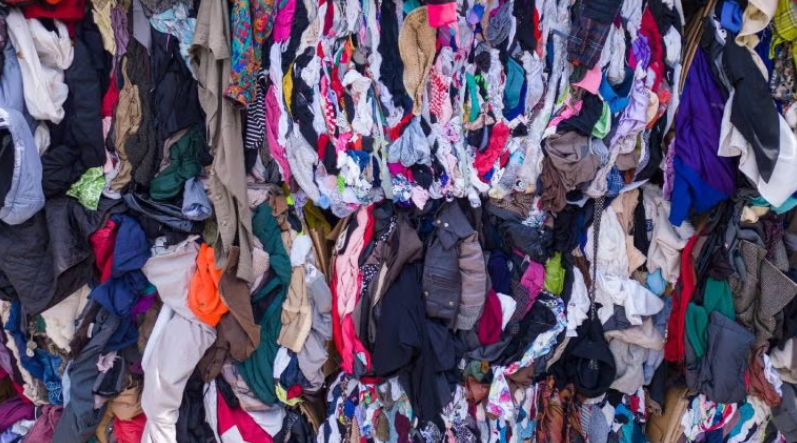
India generates nearly 7.8 million tonnes of textile waste annually.
Initial efforts will concentrate on industrial clusters in Ludhiana and Indore, with expansion planned to two more locations.
The programme seeks to enhance sector capacity through advancements in sorting and recycling methods, establishment of common waste collection systems, and coordination among supply chain participants.
It also addresses workforce organization and regulatory harmonization.
By uniting stakeholders around production centers, clusters gain access to joint facilities, pooled funding, and broader commercial prospects.
Re-START Alliance noted that the approach connects essential parties at hubs, enabling "shared infrastructure, investment opportunities and scale".
Cluster Collective incorporates three core components: a partnership framework for sustained supply chain benefits, a €13 million ($17 million) technical support fund administered by Navaka Social Business Fund for facilities and tracking systems, and early linkages with brands and processors via commitment letters, shared material criteria, and purchase contracts.
Partners include Deutsche Gesellschaft für Internationale Zusammenarbeit (GIZ) as part of the EU-India Resource Efficiency and Circular Economy Initiative.
IDH country director Jagjeet Singh Kandal said: "Circular textiles have significant economic potential in India. However, one of the biggest challenges to overcome is that India's textile ecosystem is fragmented, which has led to a lack of coordination and unrealised potential. That's why we are launching the Cluster Collective programme, which aims to focus on organising the textile waste ecosystem through a cluster-based model, in a way that is socially inclusive and aligned with climate targets.
"Cluster approaches are already proven and widely used in other sectors. By focusing on existing textile hubs that are already processing and producing, this approach will connect aggregators, recyclers and manufacturers in a coordinated and structured manner and in a way that creates long-term value for all stakeholders. As a result, clusters will be able to benefit from shared infrastructure, shared investment opportunities and market linkages to accelerate scale. Moreover, those sourcing in the region will benefit from improved traceability, access to a fully connected supply chain and access to collective demand for recycled textiles."
Convened by Laudes Foundation with founding members Canopy, Fashion For Good, and IDH, Re-START Alliance works to foster conditions for expanded textile recycling in India, a major source of global textile waste generating approximately 7.8 million tonnes yearly.
Previous alliance activities emphasized ecosystem coordination to reduce inefficiencies, with Cluster Collective serving as its primary project.
The effort advances the alliance's objective of incorporating one million tonnes of recycled fibers into supply chains over time, with additional undertakings planned through partners in the coming year.
This structured cluster model promotes efficient resource use in established textile areas, facilitating integrated operations from collection to processing.
By pooling investments and standards, participants achieve greater scalability and transparency in material flows.
The focus on inclusive practices supports equitable participation across the value chain.
Technical funding targets practical enhancements in handling and verification, building reliable pathways for recycled content.
Early commitments from buyers encourage stable demand, aiding infrastructure development.
The programme leverages proven aggregation strategies from other industries, adapting them to textile recovery needs.
Coordinated hubs enable streamlined logistics and technology adoption, elevating overall sector performance.
As recycling gains prominence, such initiatives contribute to sustainable material cycles, meeting requirements for verifiable secondary fibers.
Cluster Collective represents a collaborative framework designed to unlock economic and operational potential in India's textile waste management.
Related Products


Hongxing Steel Martensitic Stainless Steel Products
Gansu JISCO Group Hongxing Iron and Steel Co., Ltd.
BEIREN B624A Web Offset Book and Magazine Printing Press
BEIREN INTELLIGENT EQUIPMENT TECHNOLOGY CO.,LTD.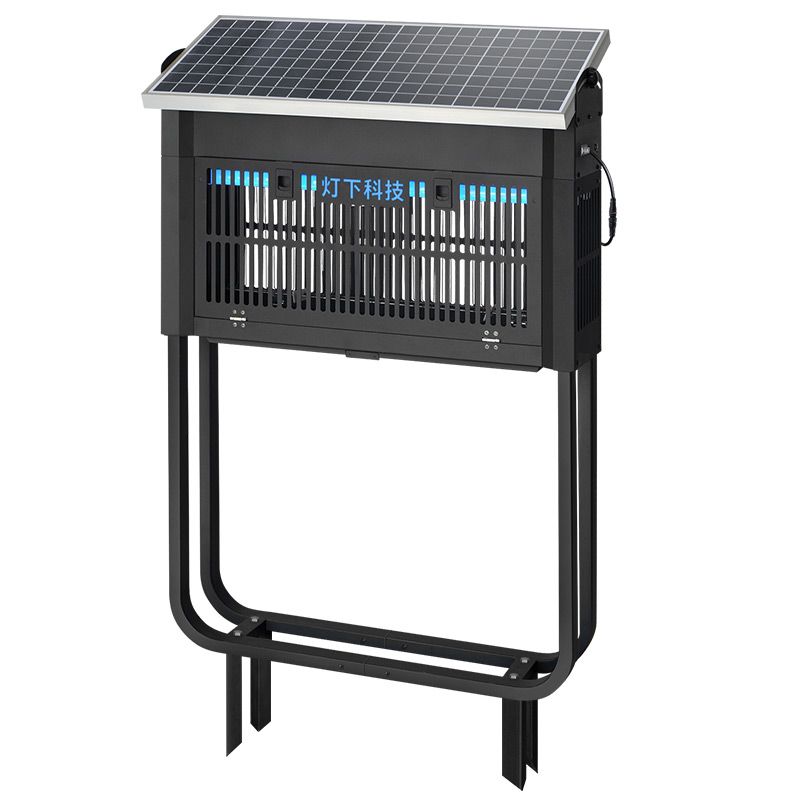
32000 MAh Large Capacity Luxury 365nm UVA LED Solar Mosquito Killer Lamp for Home Garden
Dengxia Technology (Guangdong) Co., Ltd.