Amcor Joins Danish Recycling Initiative for Food Packaging
Wedoany.com Report-Dec.18, Amcor has joined a three-year Danish project called Circular Recycling Innovation for Sustainable Packaging (CRISP), led by the Danish Technological Institute. The initiative aims to establish a comprehensive circular recycling system for household food packaging made from polyethylene (PE) and polypropylene (PP) plastics.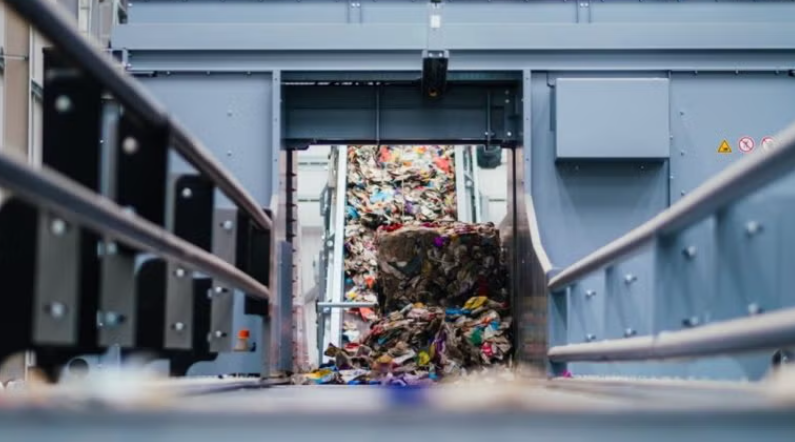
The Leamington Spa plant can recycle almost 40% of the polypropylene waste collected from UK household recycling bins.
CRISP unites packaging producers, food manufacturers, and waste management companies to develop methods for converting post-consumer plastic waste into food-grade recycled materials.
Amcor contributes expertise through its CleanStream recycling facility in Leamington Spa, United Kingdom, and its packaging production site in Randers, Denmark. The company will apply its knowledge in creating food packaging that incorporates recycled content.
Amcor North East Europe research and development director Christian Bruno stated: "Sustainable challenges require industry collaboration, and this partnership will demonstrate what can be done when the supply chain comes together. We are proud to be part of a project that could potentially have a significant environmental impact in Denmark and set new standards worldwide."
The project supports efforts to advance a circular plastics economy in Denmark. It aligns with the European Union target of achieving a 55% recycling rate for plastics by 2030 and the Packaging and Packaging Waste Regulation requirements for enhanced recyclability of plastic packaging by the same year.
A key focus is ensuring traceability of food-contact materials throughout the recycling process.
The initiative also complements Denmark's Extended Producer Responsibility framework, which holds producers accountable for packaging lifecycle costs and promotes sustainable material choices and designs.
Amcor's CleanStream process mechanically recycles mixed household plastic waste into high-purity recyclate, compatible with existing collection and sorting systems. The Leamington Spa facility processes nearly 40% of polypropylene waste from UK household recycling streams.
Danish Technological Institute business manager Per Sigaard Christensen added: "We are delighted to bring together this highly knowledgeable and innovative consortium. This three-year project has the potential to provide a clear pathway towards the circular recycling of PE and PP food packaging."
By integrating advanced mechanical recycling with supply chain coordination, CRISP seeks practical solutions for managing rigid food packaging waste effectively. The collaboration emphasizes scalable technologies that maintain material quality suitable for food applications.
Amcor's participation leverages its global experience in flexible and rigid packaging to support the development of closed-loop systems. The project demonstrates collective industry commitment to improving resource efficiency and reducing reliance on virgin plastics.
Successful outcomes could offer a replicable model for other regions, contributing to broader adoption of circular practices in plastic packaging. The focus on PE and PP addresses two of the most common materials in household food containers, targeting a significant portion of post-consumer waste streams.
Through shared expertise and infrastructure, the partners aim to overcome technical barriers while meeting regulatory and market expectations for sustainable packaging solutions.
Related Products