China's First Million-Kilowatt Plateau Mountain Photovoltaic Project Put into Operation
Wedoany.com Report-Dec.30, On December 30, the Huadian Batang 1.2-million-kilowatt photovoltaic power generation project, a pioneering new energy project of the Jinsha River Upper Clean Energy Base, a key construction project in the national 14th Five-Year Plan, was officially commissioned for power generation. As China's first million-kilowatt plateau mountain photovoltaic project to achieve "commencement and commissioning within the same year," its operation not only lays a solid green foundation for building a new energy system but also serves as a vivid practice of the energy power strategy taking root in plateau regions.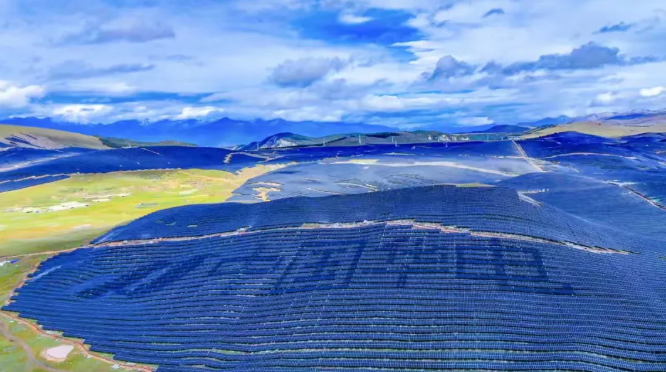
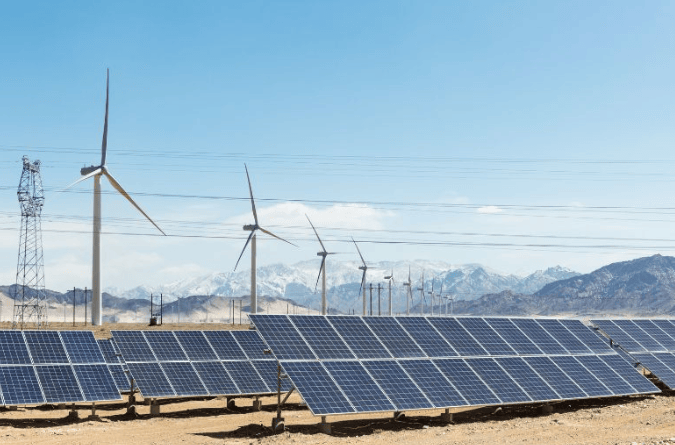
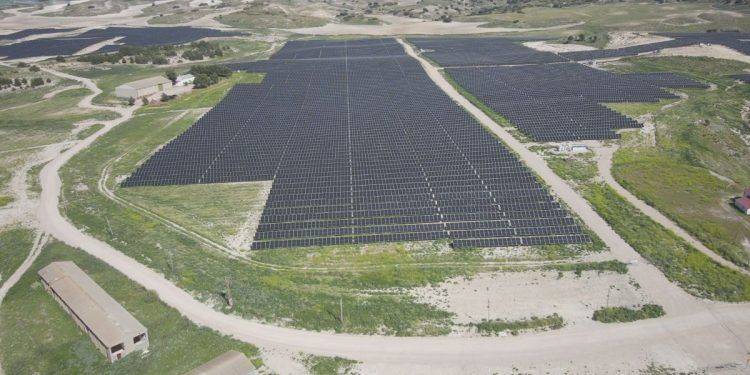
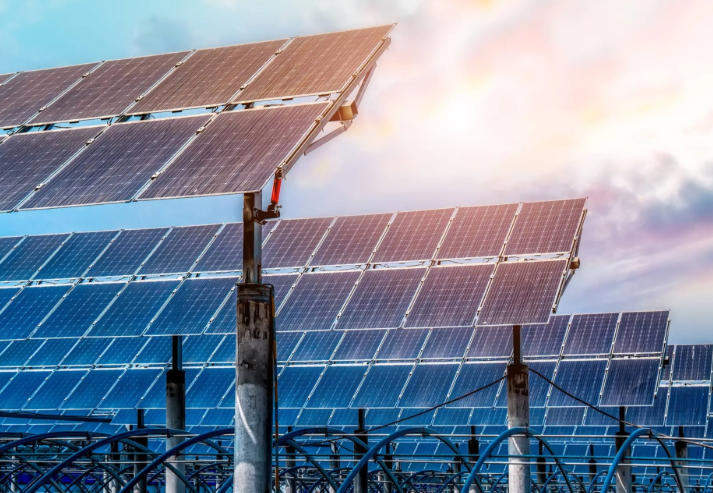
The Huadian Batang photovoltaic project is located on the snowy plateau of Batang, Ganzi, Sichuan, at an altitude of 4,000 to 5,100 meters. 2.17 million photovoltaic modules are spread across 25,000 mu (approximately 1,667 hectares) of land, forming a "blue ocean." Supporting facilities include a 122-kilometer transmission line and two 220-kilovolt smart booster stations. During construction, the project set industry records by installing 1,600 module strings per day and completing 15,800 pile foundations. It also successfully overcame several core technical challenges, such as high-altitude ice resistance and earthquake prevention, as well as permafrost foundation stability, accumulating valuable experience for large-scale photovoltaic projects in plateau areas.
As an important component of the Jinsha River Upper Clean Energy Base, the project innovatively adopts a model of "power generation on the panels, cattle grazing under the panels, landscape beautification around the area, and industrial prosperity for the people." During construction, it provided over 2,000 local job opportunities, achieving coordinated progress in engineering construction, ecological protection, and livelihood improvement.
It is reported that after commissioning, the project will transmit 2.1 billion kilowatt-hours of green electricity annually to central China, saving approximately 640,000 tons of standard coal and reducing carbon dioxide emissions by over 1.7 million tons. This is of great significance for ensuring national energy security, optimizing the energy structure, promoting coordinated regional development, and helping achieve the "dual carbon" goals.
Related Products

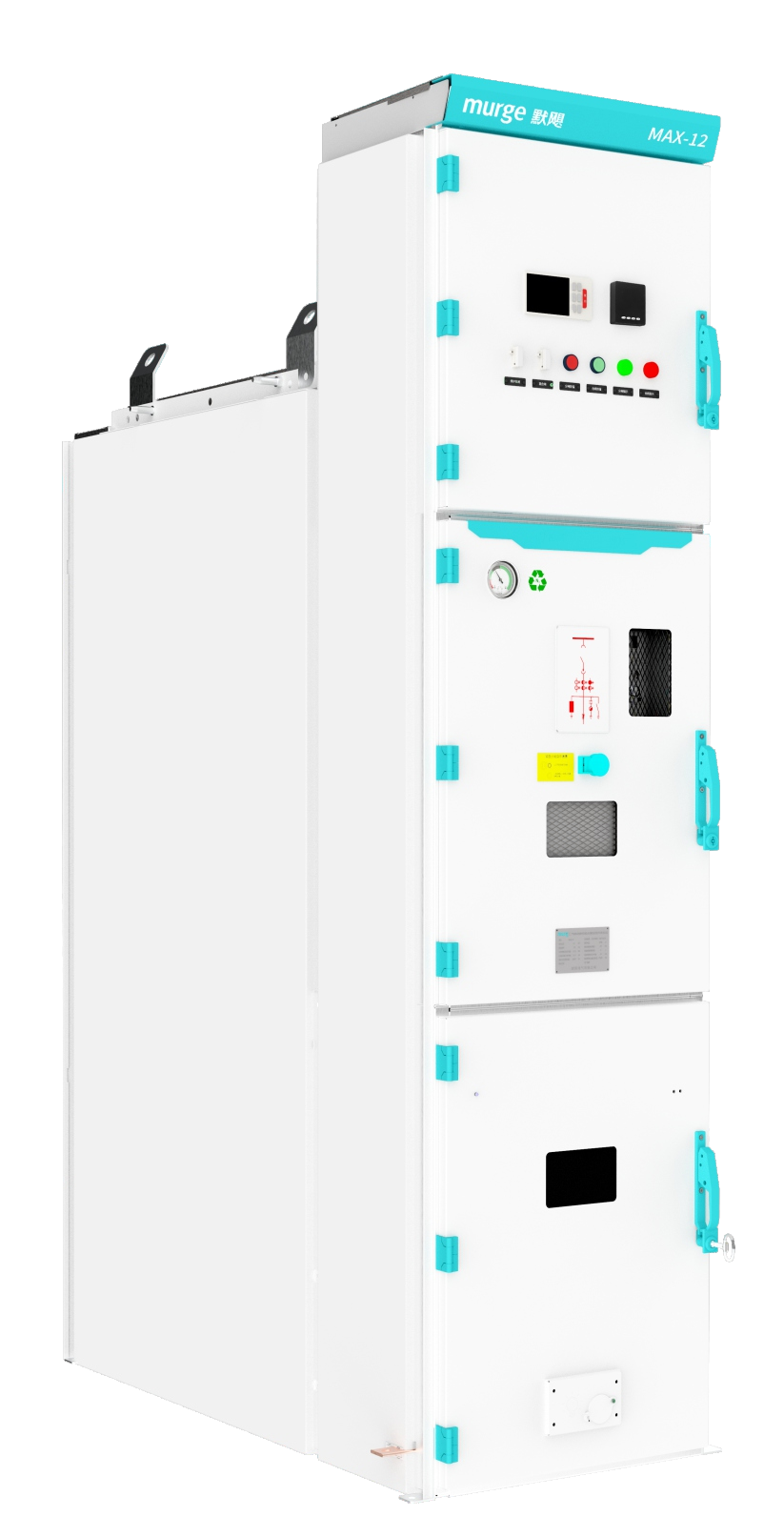
MAX-12 series Environmental Protection/SF6 gas insulated switchgear (C-GIS)
Murge Electric Co.,Ltd.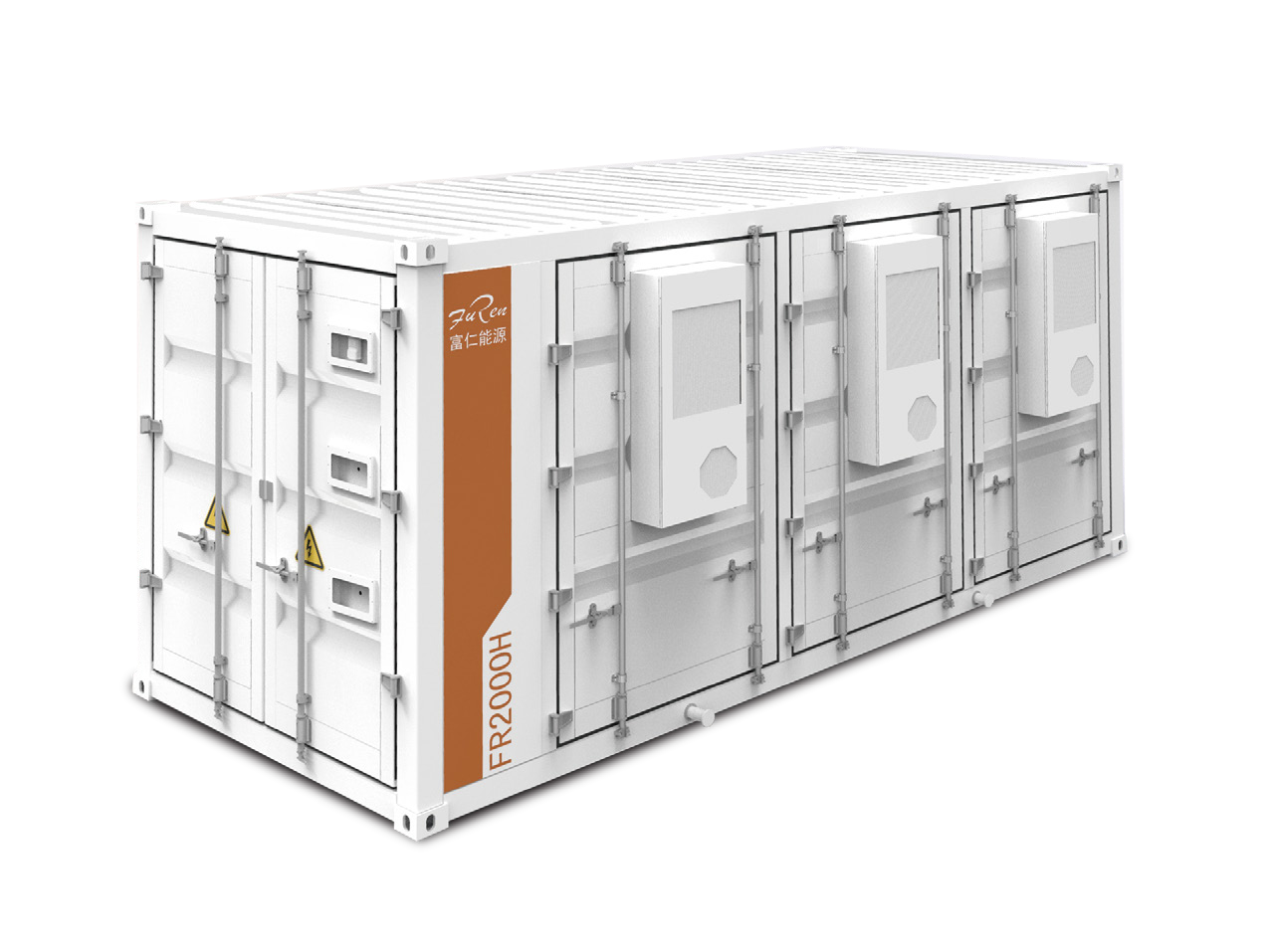
FR2000H 2.15MWh (Air-cooled) 20-foot Containerized Energy Storage System
Jiangyin Furen High-tech Co., Ltd.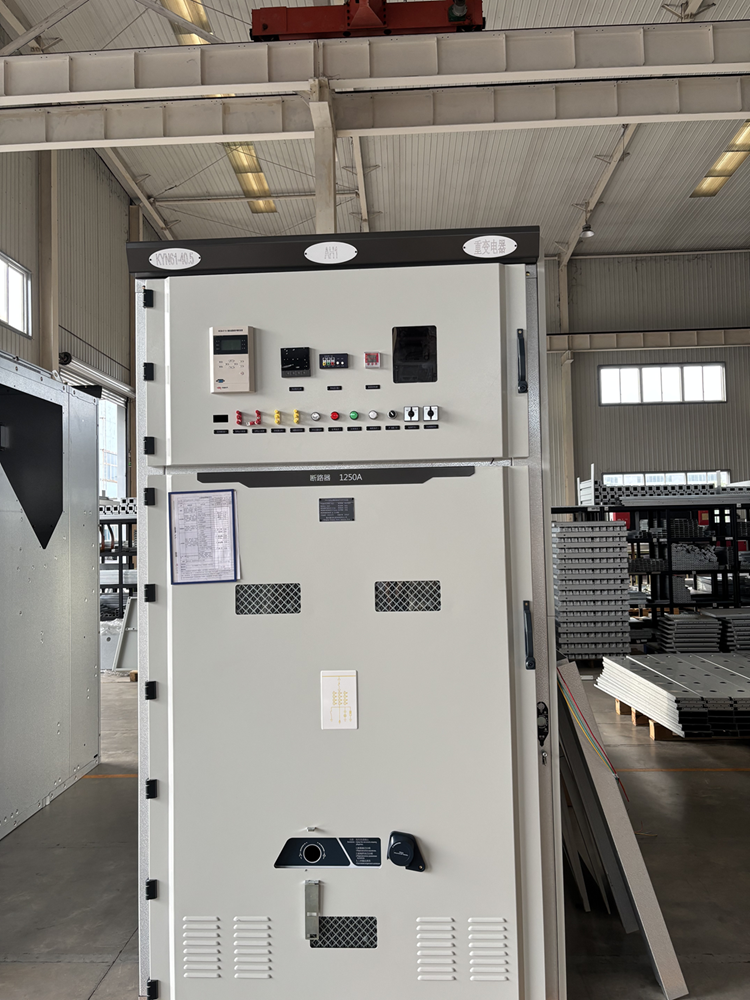
KYN61-40.5 Indoor AC Metal-clad Removable Switchgear
Chongqing Transformer Co., Ltd.
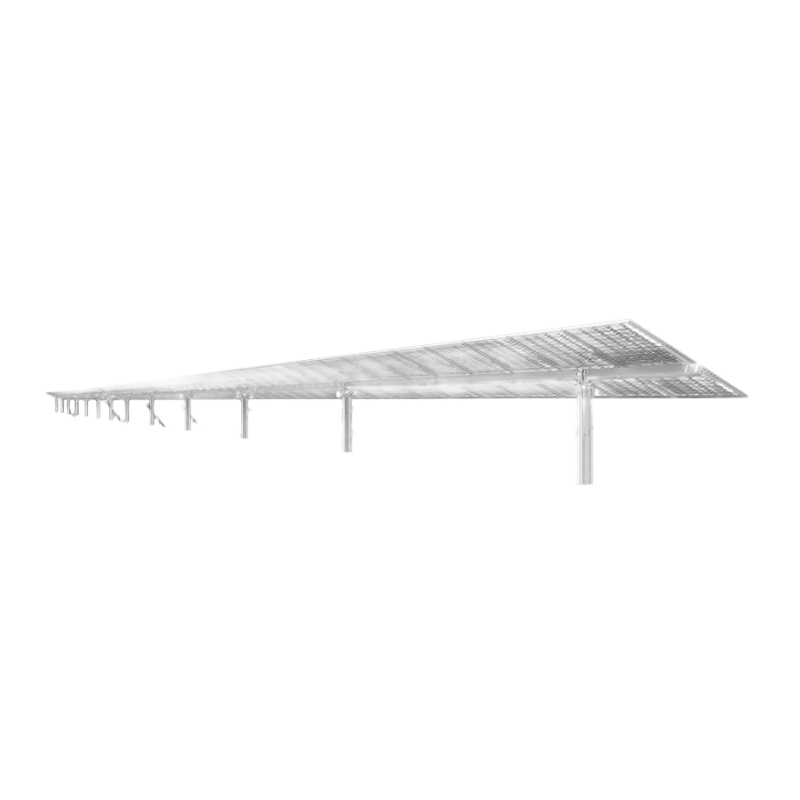
TAI Slew-drive Single-axis Independent 1P Tracking Bracket System
ANTAI TECHNOLOGY CO., LTD.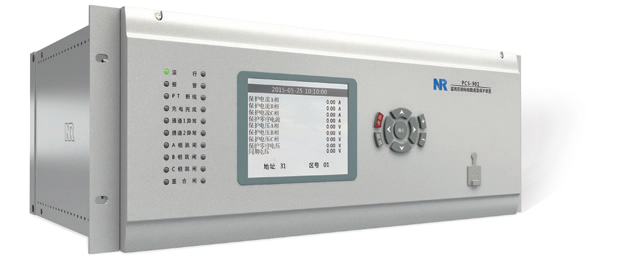
PCS-901 Series Ultra (Extra) High-voltage Transmission Line Complete Protection Device
Nanjing NR Electric Co., Ltd.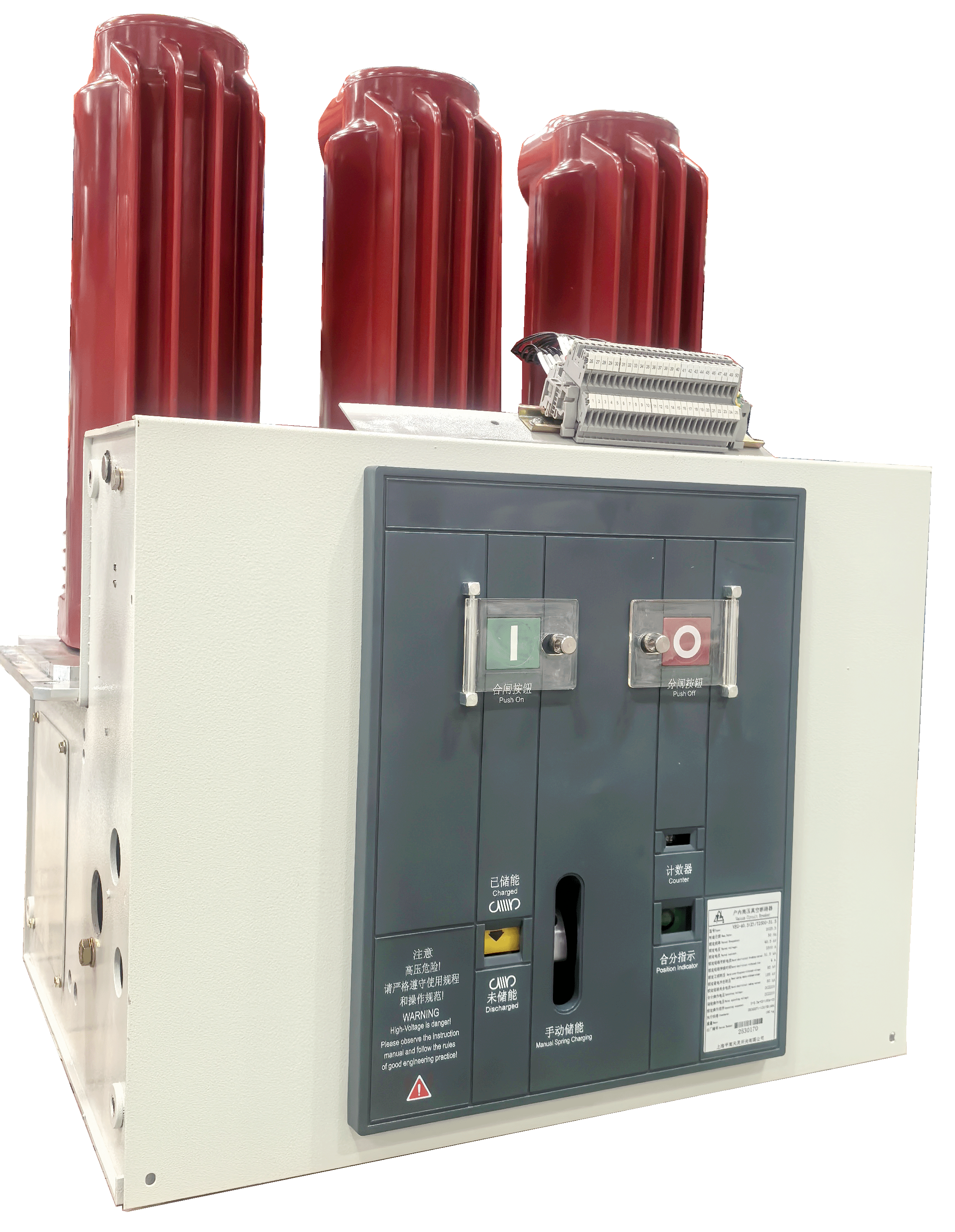
VEG-12/24/40.5 Series Vacuum Circuit Breaker
SHANGHAI PINGGAO TIANLING SWITCHGEAR CO., LTD.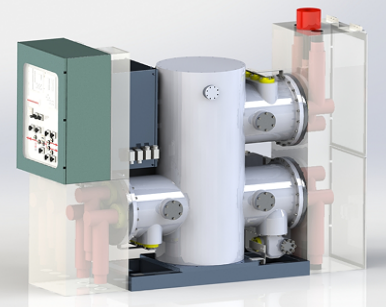
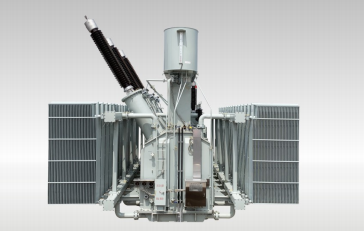
220kV and Below Voltage Level Energy-saving Oil-immersed Power Transformers
FuZhou TianYu Electric Co., Ltd.