Precious Metals Plunge Up to 30%, Copper Holds Firm at $12,000 Highlighting Structural Shortage
Wedoany.com Report on Feb 2nd, Gold and silver have recently undergone significant price corrections, while copper has demonstrated stronger resilience against declines. According to Bloomberg, the market turning point occurred on Friday, following gold's earlier surge to a historic high of $5,600 per ounce and silver's breach of the $120 per ounce level. However, news of Kevin Warsh potentially being nominated as the Federal Reserve Chair strengthened the US dollar, triggering capital outflows from safe-haven assets and causing gold and silver prices to fall.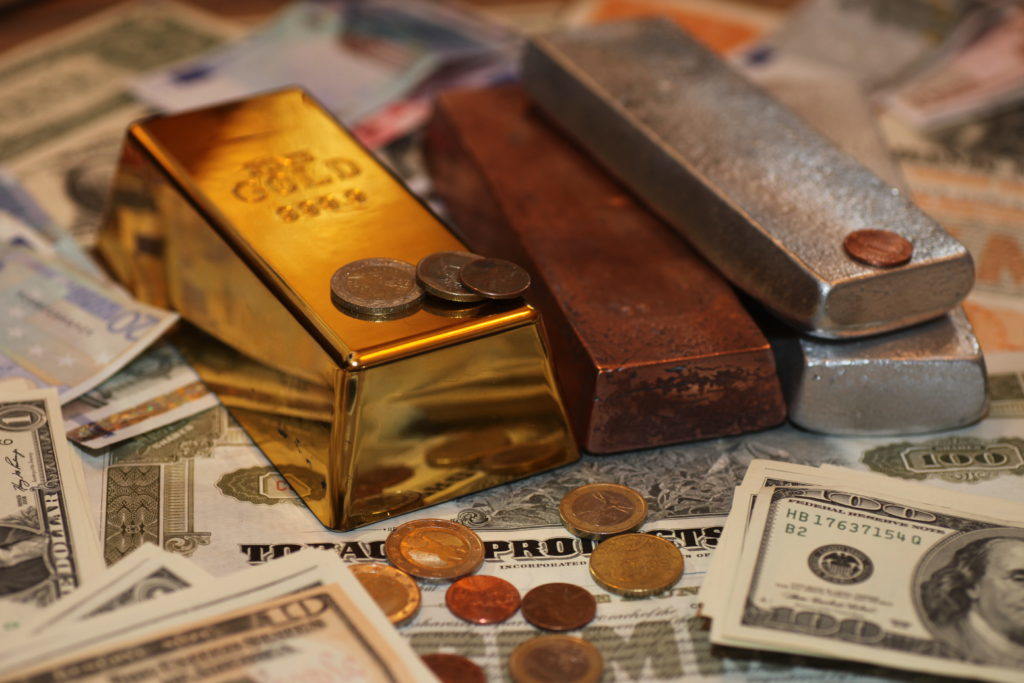
Gold prices quickly retreated to the range of $4,800 to $5,000 per ounce, partially erasing the gains accumulated in January. Analysts point out that this signals a possible end to a speculative phase highly sensitive to monetary policy signals, but it does not alter gold's fundamental role as a long-term asset. Silver's adjustment was more severe, with data from some trading platforms showing declines between 9% and 30%. Market views suggest this reflects the bursting of a price bubble that formed in January.
In contrast to the volatility of precious metals, copper prices have maintained a stable trend. Analysis from J.P. Morgan Global Research indicates that the copper market faces a structural supply shortage, which supports its price at elevated levels. Forecasts suggest the average copper price in the coming months could be close to $12,500 per ton. Copper's critical role in electrification, green infrastructure, and the energy transition makes it a key strategic asset in the current mining sector.
Commenting on the market changes, financial expert Ines Ferré stated, "When prices stretch to such an extent, extreme caution is warranted. The historic rally in gold and silver has encountered obstacles from US monetary policy." Analysis teams from Goldman Sachs and Ninety One also believe that despite short-term adjustments, the fundamentals for copper and gold remain solid, with gold additionally supported by central bank demand.
Looking back at January's market performance, gold and silver prices experienced substantial corrections after reaching new highs, while copper prices remained robust within the $12,000 to $13,000 per ton range. Looking ahead to February, gold may consolidate around the $5,000 level, silver is expected to maintain high volatility, and copper is likely to continue benefiting from supply shortages and strong demand related to infrastructure and the energy transition.
Market analysis indicates that this price movement sends a clear signal: there are limits to speculative behavior, while metal varieties with solid fundamental support, such as copper, can retain their appeal even in volatile market environments. For the mining sector, this further underscores the strategic importance of metal projects with tangible demand support, like copper.
Related Products


Mine Explosion-proof and Intrinsically Safe Industrial Ethernet Ring Network (10 Gigabit/Gigabit)
Chongqing Mas Sci&Tech Co., Ltd.
Linyi Steel Investment Special Steel 2.7 Million Tons per Year High-quality Special Steel Project
Capital Engineering & Research Incorporation Limited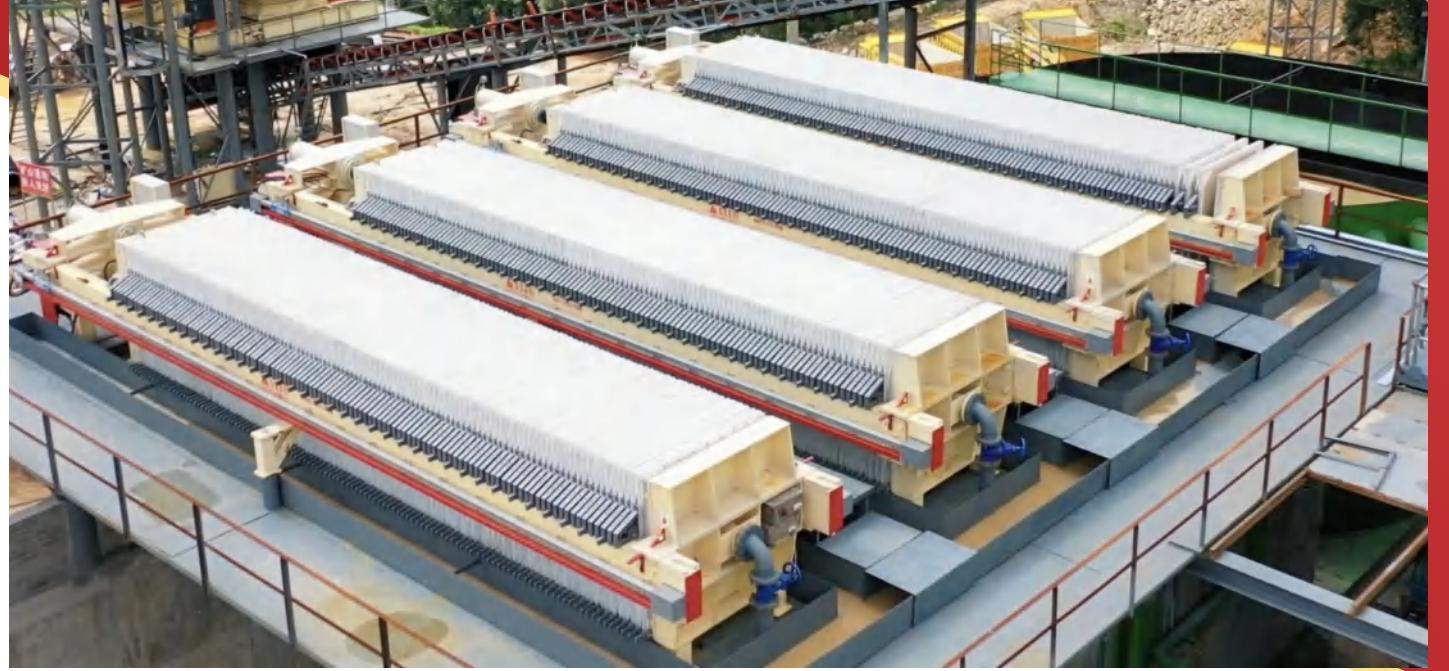
Hydraulic Plate and Frame Filter Press
Guangdong Leimeng Intelligent Equipment Group Co., Ltd.
Industrial and Commercial Point-Type Gas Detector
Jinan Benan Technology Development Co., Ltd.

CKD135E Pure Electric Wide-body Dump Truck
Jiangsu Changkuang Engineering Machinery Co. Ltd.



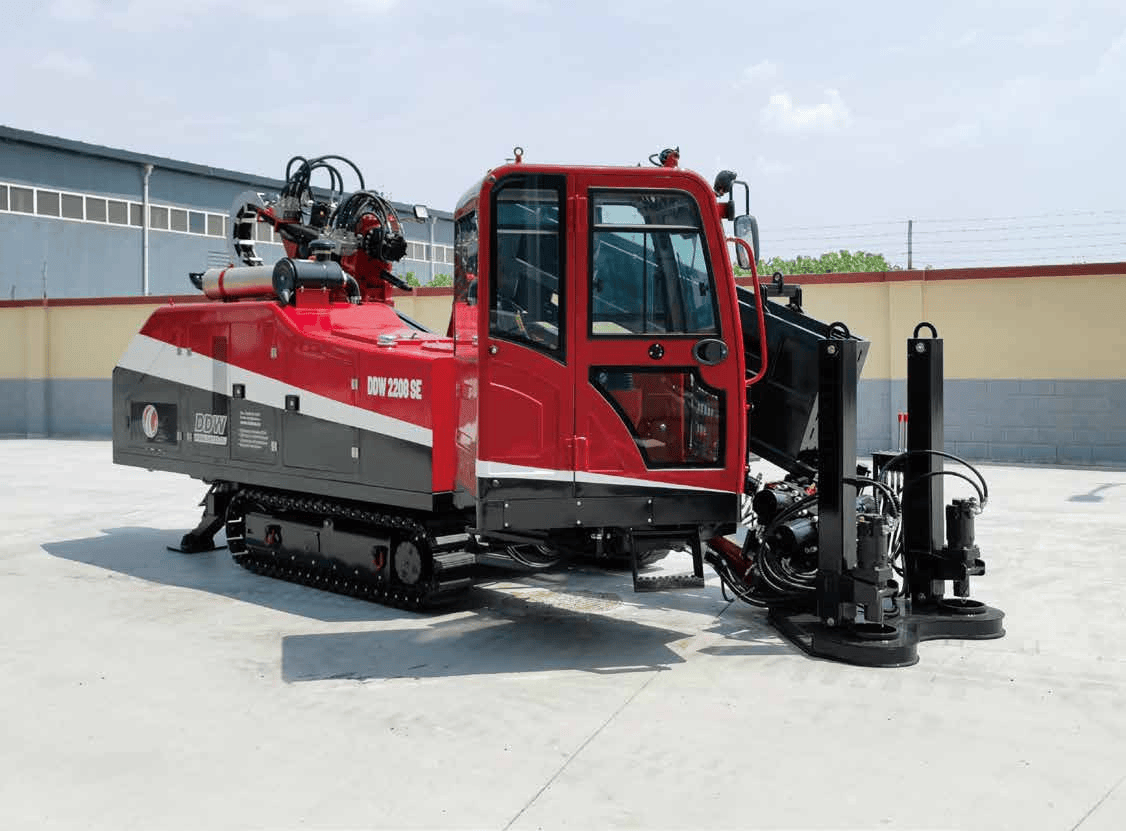
DDW22/08SE-HORIZONTAL DIRECTIONAL DRILL
DW/TXS Construction Equipment (Beijing) Co., Ltd.