South Korean Team Develops Microfluidic Device to Extract Contaminants Within Five Minutes Without Filtration
Wedoany.com Report on Feb 15th, A joint research team from the Korea Research Institute of Chemical Technology (KRICT) and Chungnam National University has developed a novel microfluidic device capable of extracting contaminants directly from samples containing solid particles within five minutes, eliminating the need for complex filtration steps. This breakthrough is expected to significantly improve the efficiency of analysis for environmental monitoring and drinking water safety.
The device, designed under the leadership of Dr. Kim Ju-hyeon and Professor Yoo Jae-beom, addresses a long-standing obstacle in analytical chemistry: when samples contain sand, soil, or food residues, traditional detection methods often suffer from reduced accuracy as the filtration process can trap trace contaminants. Current analytical methods typically involve multi-step workflows, including solid removal, extraction, and analysis, which not only increase time and cost but also affect reliability.
Traditional methods like liquid-liquid extraction (LLE) require large volumes of solvents and are difficult to automate, while the application of liquid-liquid microextraction (LLME) is still limited by pretreatment requirements. The new device employs a capture-based design, confining droplets of the extraction agent within a microchamber while allowing the sample solution to flow through microchannels. This enables selective transfer of target analytes into the extraction agent, while solid particles pass through smoothly. This design achieves rapid, interference-free mass transfer, and the droplet can be directly retrieved for downstream analysis after extraction.
The research team tested the device's extraction capability for perfluorooctanoic acid (PFOA, a persistent chemical from the PFAS family) and the pharmaceutical drug carbamazepine (CBZ). Results showed that the device detected PFOA signals within five minutes and extracted CBZ from a sand-containing slurry without prior filtration. The compounds were clearly identified via high-performance liquid chromatography (HPLC). This demonstrates the platform's ability to maintain high reliability while reducing steps, making it suitable for compact, automated monitoring systems.
This technology provides a scalable solution for food safety inspection and drug residue analysis, capable of handling complex mixtures that easily clog standard equipment. Dr. Kim Ju-hyeon noted, "Integrating multiple pretreatment steps into a single process offers significant advantages for on-site analysis and automated systems." KRICT President Lee Yong-gook emphasized, "This technology can improve the reliability of environmental and food safety analysis, directly impacting public health."
By eliminating the need for heavy laboratory equipment, this microfluidic device brings laboratory-grade precision to the field, paving the way for faster environmental monitoring and food safety inspections. The related research findings have been published in the journal ACS Sensors.
Related Products
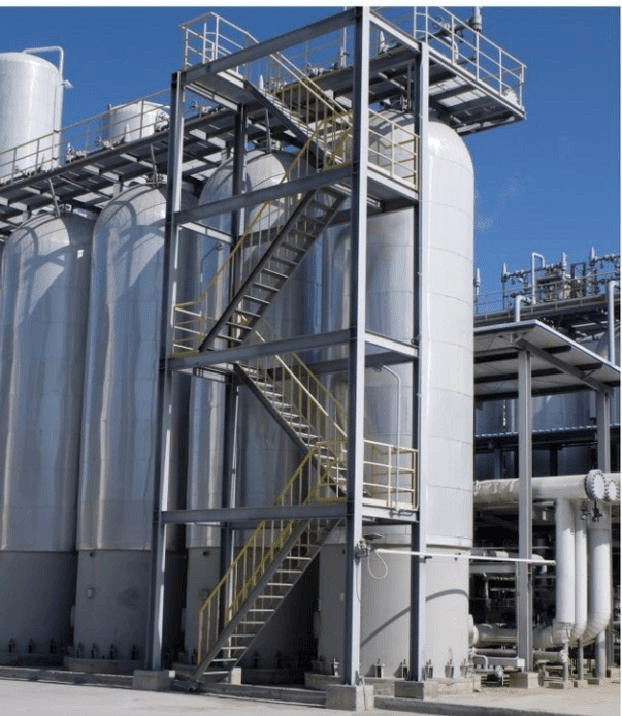

Hydrogen Production Technology: Hydrogen Purification by Pressure Swing Adsorption
Chengdu Yizhi Technology Co., Ltd.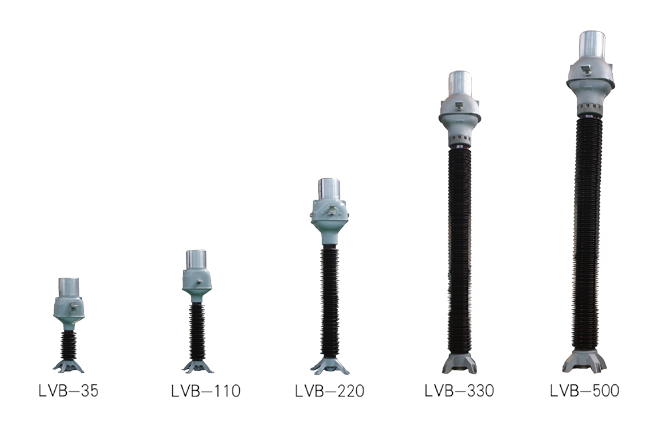
LVB Series 35-500kV Oil-immersed Inverted Current Transformer
Shandong Taikai Instrument Transformer Co., Ltd.

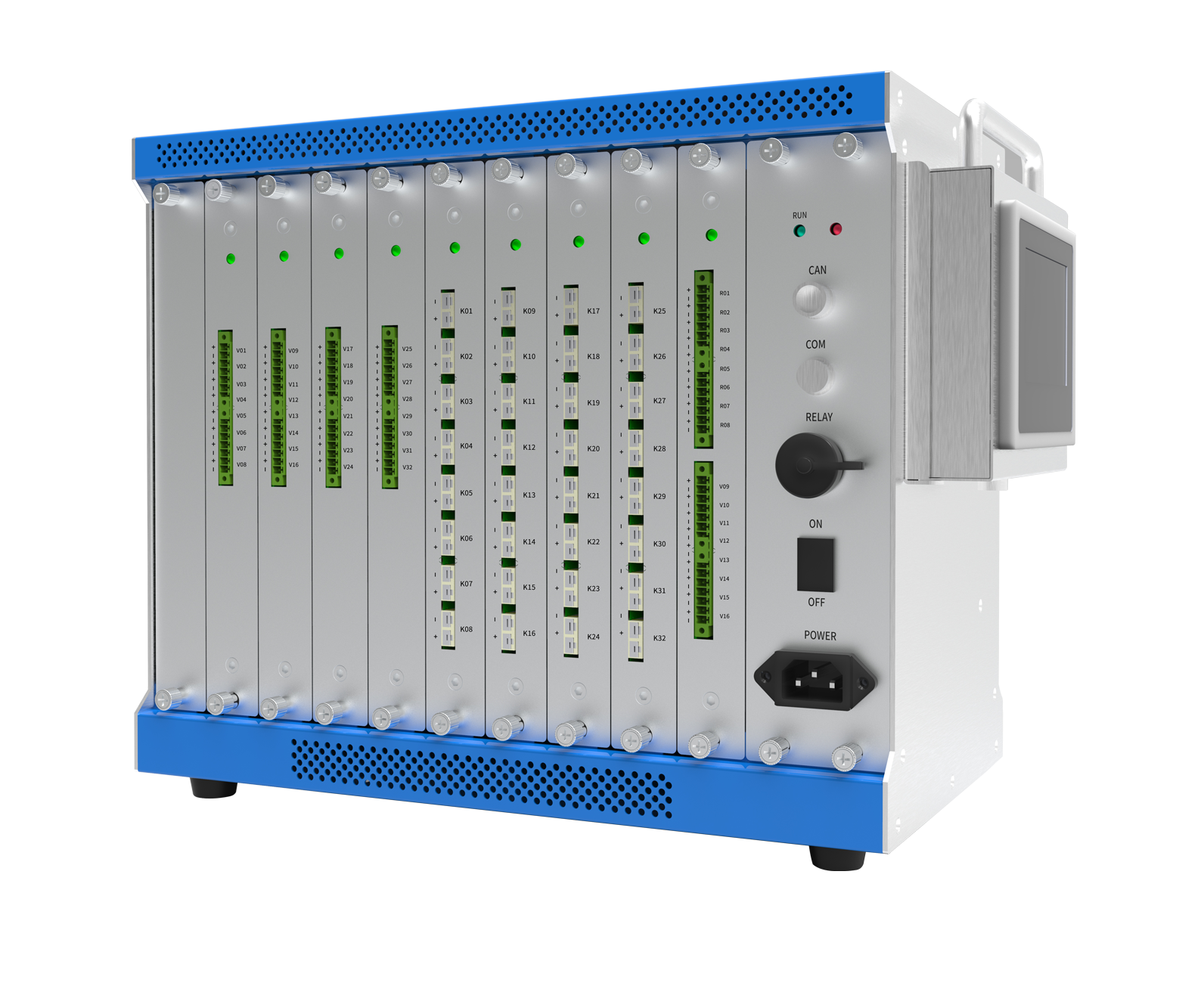
Optional Accessory - Auxiliary Sampling Module
Beijing Soaring Electric Technology Co., Ltd.
High-voltage Direct Current (HVDC) Transmission System Research and Integrated Design
XI'AN XD POWER SYSTEMS CO., LTD.
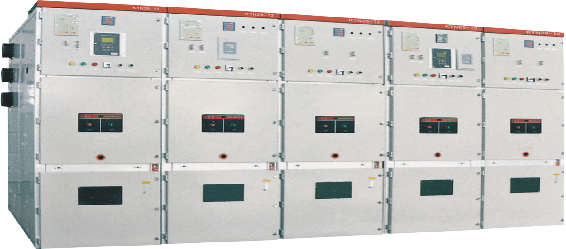
KYN28-12/24 Indoor High-Voltage Metal-Clad Removable Switchgear
Shenzhen Zhaoyang Hui Technology Co., Ltd.

"Shunyi 1600" Deep-submerging Bottom-sitting Multi-functional Wind Power Engineering Vessel
Zhengli Offshore Engineering Co., Ltd.
Microcomputer Protection and Substation Automation
Beijing Agent Devote Power Technology Development Co., Ltd.
Prefabricated Houses and Electrical Energy Boxes
Chengdu Ruilong Machinery Manufacturing Co., Ltd.