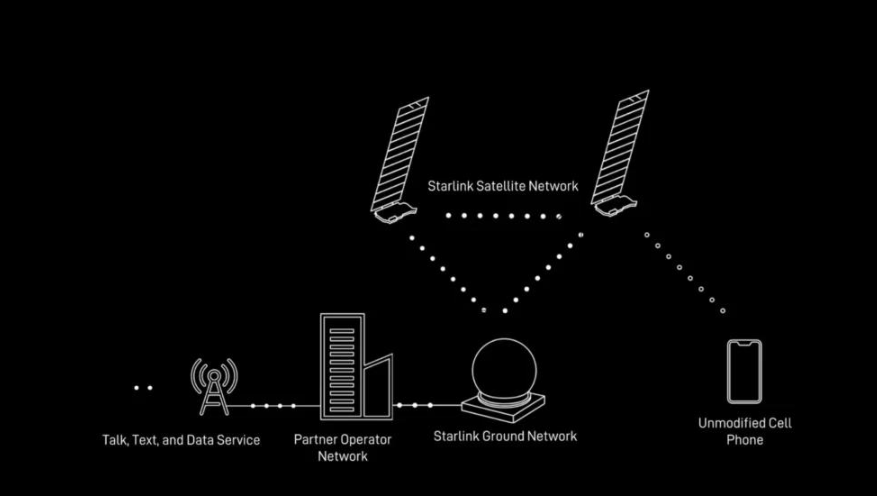
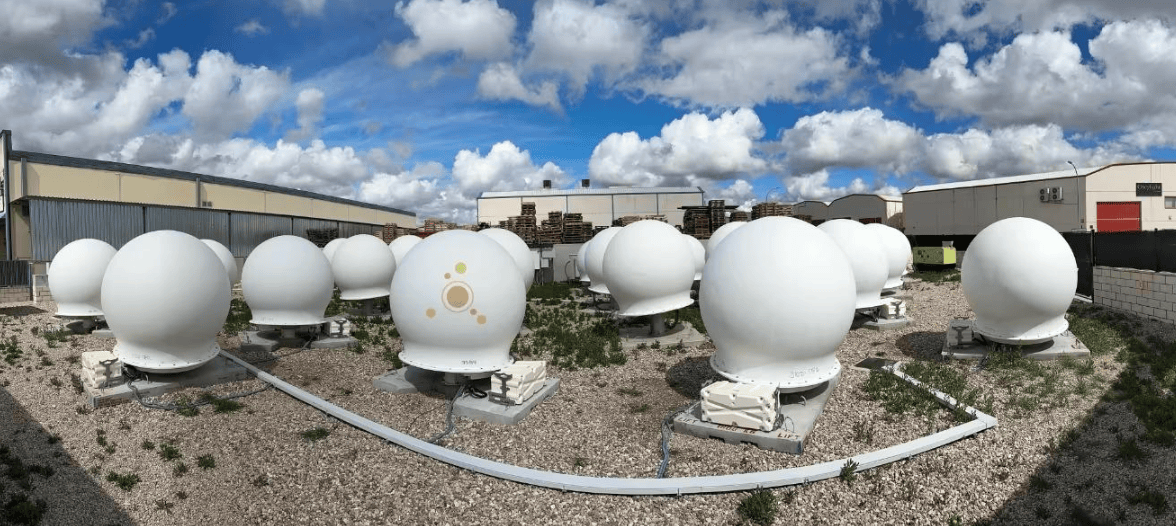
SpaceX Plans Starlink Mission Launch on Presidents Day Holiday, Falcon 9 Rocket Faces Severe Weather Challenges
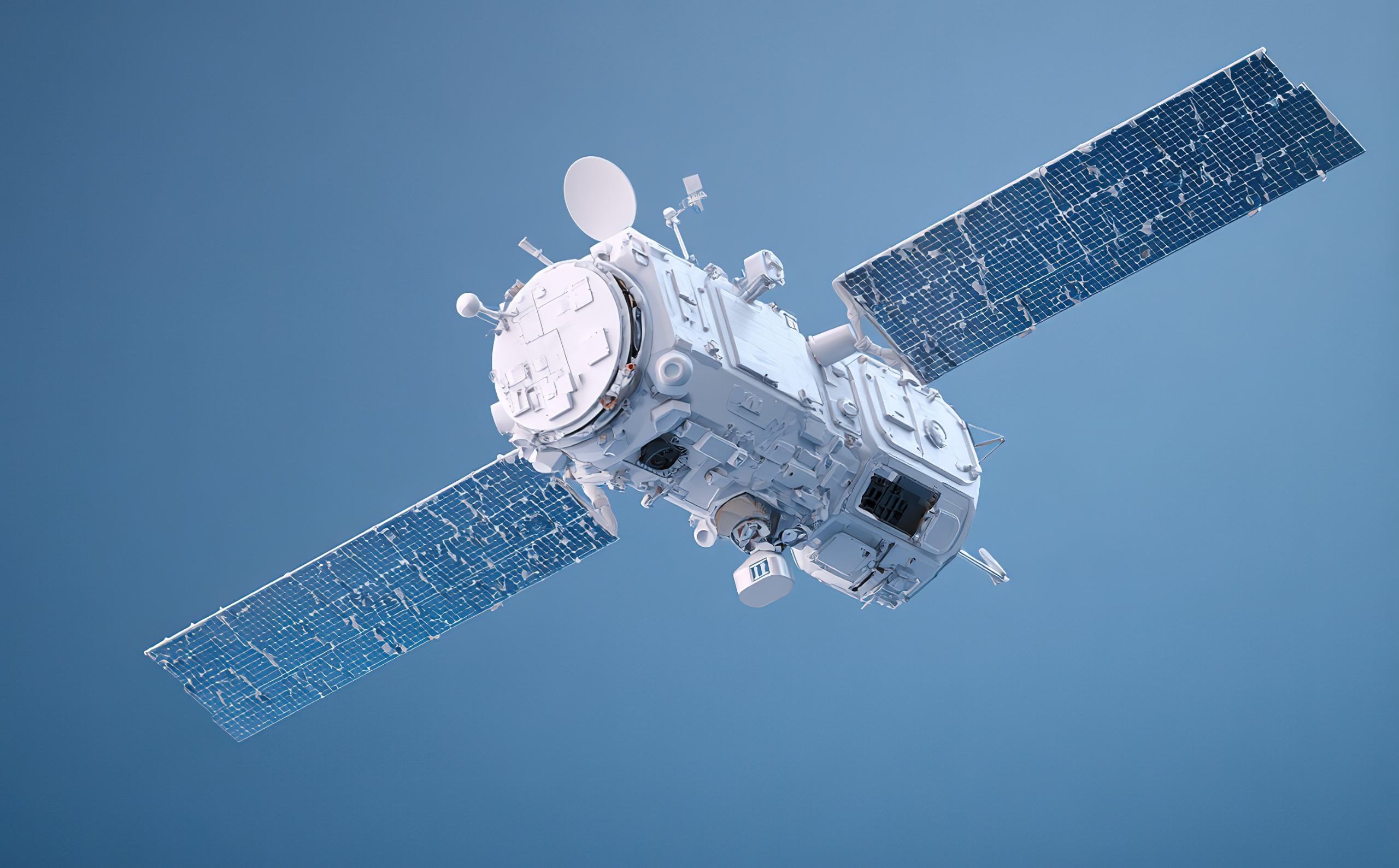
SpaceX plans to launch a Falcon 9 rocket from Cape Canaveral Space Force Station during the Presidents Day holiday to execute the Starlink 6-103 mission. This launch will add 29 broadband internet satellites to the company's low Earth orbit constellation, marking the 14th Starlink launch this year. However, the launch faces severe weather conditions, with an acceptable probability of only 20%.
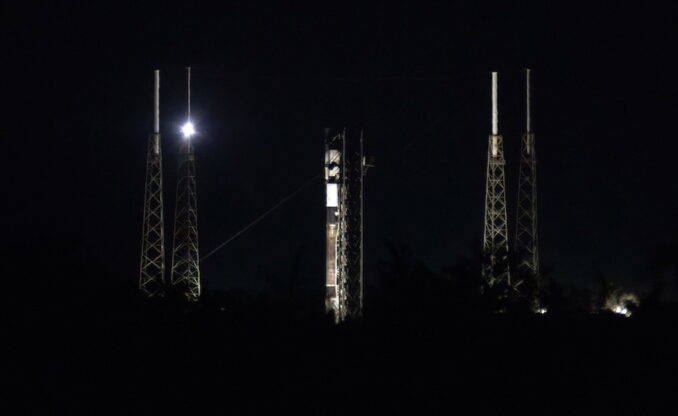
The launch is scheduled for 12:34:20 AM Eastern Time from Space Launch Complex 40, with the Falcon 9 rocket flying in a southeasterly direction. Spaceflight Now will begin live coverage approximately one hour before liftoff. Weather officials noted that as a low-pressure system moves eastward, south-southwesterly winds will strengthen, with showers and storm bands expected to arrive at the spaceport before the main window opens and persist for several hours.
Launch weather officials wrote: "Showers and storms are expected to continue within the window for several hours before moving south out of the area. Although this activity is expected to weaken upon arrival, strong gusts may still occur. The primary concerns will be the Cumulus Cloud Rule, Surface Electric Field Rule, and Anvil Cloud Rule, although there may be other thunderstorm-related rules." The weather challenges could impact the launch schedule.
SpaceX will use the Falcon 9 first-stage booster with tail number B1090 for this mission, marking its 10th flight. Nearly 8.5 minutes after liftoff, B1090 will target a landing on the drone ship 'A Shortfall of Gravitas' in the Atlantic Ocean. If successful, this will be the ship's 142nd landing and bring the total number of booster landings to 572. This Starlink mission aims to expand global internet coverage but must overcome weather obstacles.
Related Products

JiuTian OneSky Pilot—Intelligent Management And Service Platform
China Times Prospect Science & Technology Co., Ltd.
GYTA Type Non-Self-Supporting Aerial/Duct Optical Cable
TONGDING INTERCONNECTION INFORMATION CO., LTD.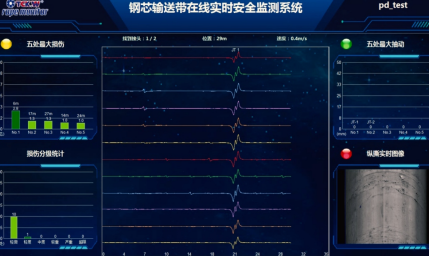
Conveyor Belt Intelligent Monitoring System
LUO YANG WIRE ROPE INSPECTION TECHNOLOGY CO., LTD.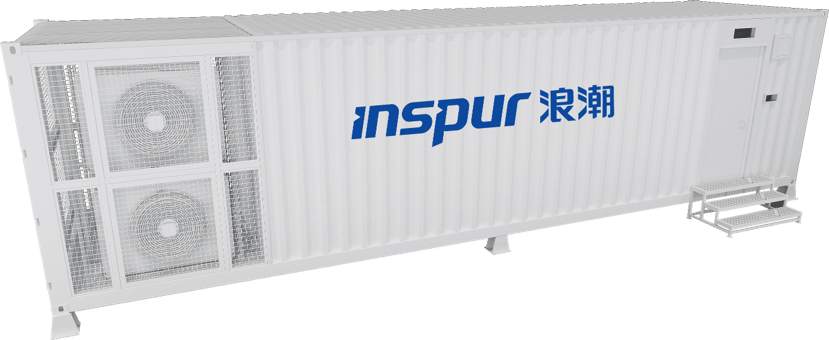
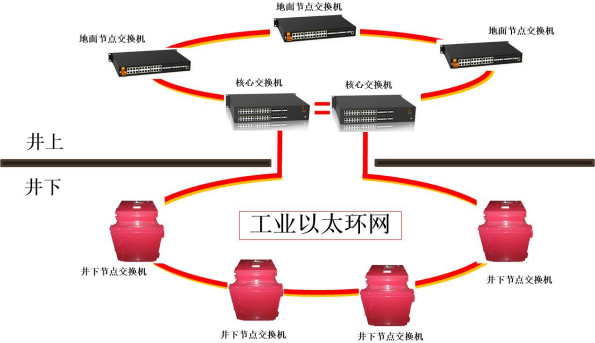
Mine Explosion-proof and Intrinsically Safe Industrial Ethernet Ring Network (10 Gigabit/Gigabit)
Chongqing Mas Sci&Tech Co., Ltd.
20 Inch 1600*900 Full HD 60Hz TFT LED Monitor with VGA and DP Interfaces for Desktop Computers-Business Use
Guangzhou Zanying Optoelectronics Technology Co., Ltd.


MUX Series Communication Interface Device for Security and Stability Control System
Nanjing NR Electric Co., Ltd.
Industrial and Commercial Point-Type Gas Detector
Jinan Benan Technology Development Co., Ltd.
Multi-function Marine Monitoring Low-altitude Detection Radar Sea-air Boundary Ocean Dynamic Environment Measurement
Chengdu Dixin Technology Co., Ltd.