
A research team from the University of British Columbia in Canada has discovered a novel methanogenic bacterium at the Surrey Biofuel Facility, capable of efficiently converting food waste into renewable natural gas. This finding provides a new technical pathway for the resource utilization of organic waste.
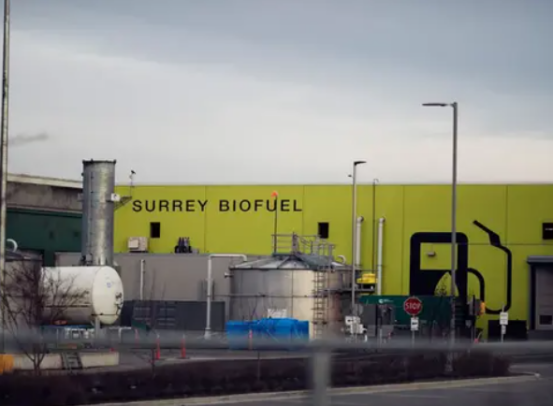
During microbial energy production research at a large organic waste treatment site in the country, the team observed sustained methane production even in the absence of traditional acetate-consuming microbes. Associate Professor Ryan Ziels from the Department of Civil Engineering stated: "Traditional methods cannot identify those microbes doing the heavy lifting." Using protein stable isotope probing technology, the researchers successfully tracked the key microbes involved in methane generation.
The Surrey Biofuel Facility processes approximately 115,000 tons of food waste annually, employing an anaerobic digestion system where microbes degrade organic matter in an oxygen-free environment. During the facility's process of converting waste into renewable natural gas, this newly discovered bacterium from the Halobacteriaceae family exhibits unique metabolic characteristics. Microbiology Professor Steven Hallam noted: "Converting waste to methane is a collaborative process involving interactions among multiple microbes, and this new bacterium is a key factor in achieving this goal."
The novel methanogenic bacterium not only efficiently produces methane but also maintains strong activity in high-ammonia nitrogen environments, where most methanogenic microbes struggle to survive. Ziels added: "Municipal treatment facilities greatly benefit from these organisms. If acetate accumulates, it requires cleaning tanks and restarting the system, which increases operational costs." This discovery explains why existing digestion units maintain production under harsh conditions, providing new insights for optimizing anaerobic digestion system designs.
The research team plans to apply the same technology to studies on microbes degrading marine microplastics. Ziels believes microbes hold significant potential in addressing environmental challenges, particularly in urban waste management and clean energy production. He remarked: "Next time you throw kitchen scraps into the compost bin, these microbes are supporting clean energy production."