Ecuador's National Assembly recently passed a reform bill promoted by President Daniel Noboa's government, aimed at boosting investment in the mining and energy sectors. The vote, with 77 in favor, 70 against, and 4 abstentions, marks a new attempt by the government to remove obstacles to industry development. Despite the country's significant geological potential, mining progress has been slow in recent years, and the reform is seen as a crucial step to revitalize this strategic sector.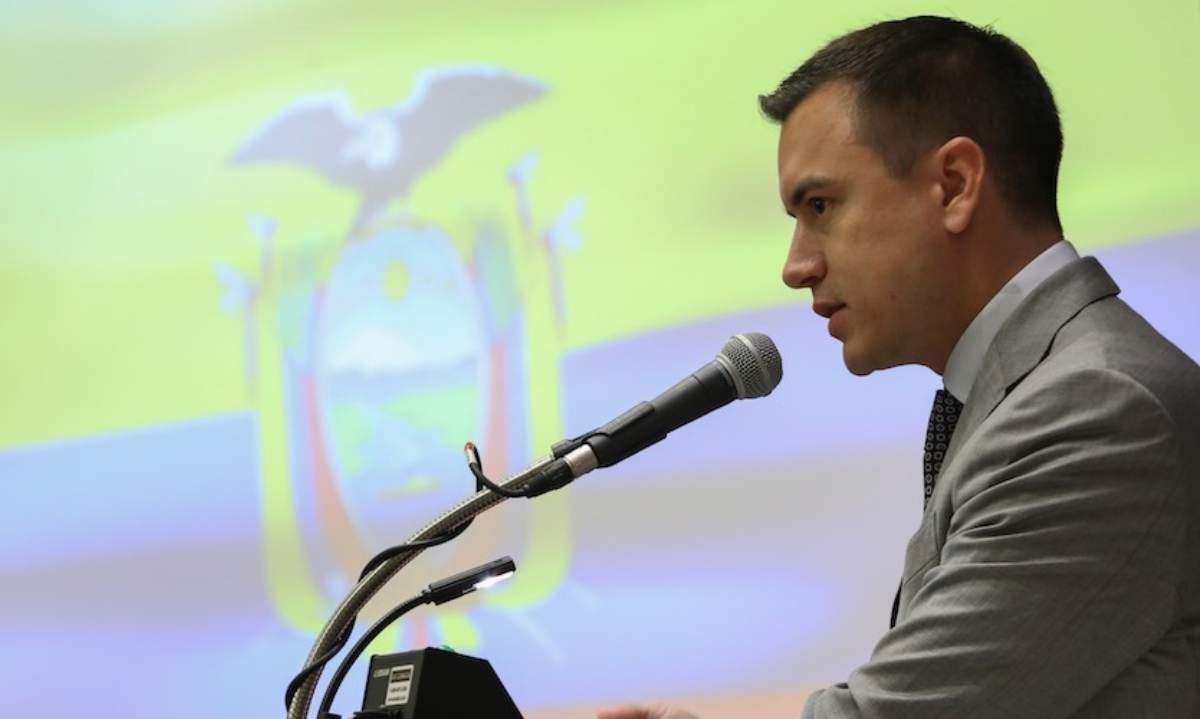
The core of this mining reform is an adjustment to the environmental licensing system. The new regulations replace the current environmental license with a broader concept of "environmental authorization," allowing for different models based on project risk levels. Environmental approval can now be achieved through three forms: a full license, environmental registration, or an environmental certificate. The latter two options, mainly for projects with minor impacts, offer faster pathways to reduce administrative barriers; stricter processes continue to apply for projects with greater impacts. The government believes this modification will improve procedural efficiency and inject vitality into an industry facing social conflicts and regulatory changes.
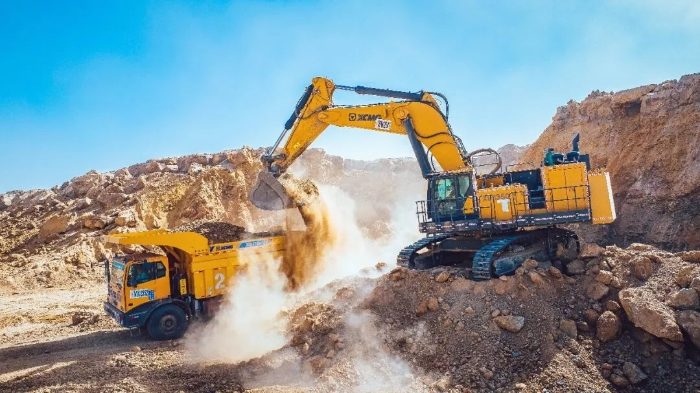
Currently, Ecuador has only two large-scale mining projects operating since 2019: Fruta del Norte and Mirador, with mass production lagging behind other Andean countries like Peru and Chile. The reform also includes the creation of protected mining zones, allowing the deployment of military forces in areas affected by illegal mining and criminal activities to strengthen control. Furthermore, the measures advance the formalization of artisanal and small-scale miners, aligning with the government's strategy to regulate the mining chain and reduce informal activities.
Environment and Energy Minister Inés Manzano pointed out: "Ecuador has identified around 400 illegal mining sites nationwide, reinforcing the argument for strengthening state presence in key areas, combining control and formalization." However, the approval of the reform has sparked strong reactions from environmental organizations and indigenous groups, who question whether replacing environmental licenses with more flexible mechanisms might weaken state control over extraction projects. Critics warn that the changes could affect communities' right to prior consultation, a sensitive point in mining debates. Before the vote, the indigenous organization Ecuarunari accused the government of pushing legislation that benefits large multinational corporations at the expense of the nation, the environment, and communities.
This mining reform is not limited to the mining sector; the approved package also involves opening the electricity sector to increase private investment, broadening the economic scope. Through regulatory adjustments, the Noboa government seeks to attract capital, regulate extraction activities, and address the advance of illegal mining. However, given concerns about environmental and community protection, the political and social costs of the reform are expected to remain high.