Decoding China's Two Sessions: The Draft Outline for the 15th Five-Year Plan | Setting a New Grain Production Target of 1.45 Trillion Jin: What's the Basis and How to Achieve It?
Wedoany.com Report on Mar 6th, Food security is a matter of paramount importance to the nation. The draft outline for the 15th Five-Year Plan, submitted for review at the fourth session of the 14th National People's Congress on March 5, outlines the main goals and major tasks for the 15th Five-Year Plan period, clearly stating that the comprehensive grain production capacity should reach around 1.45 trillion jin.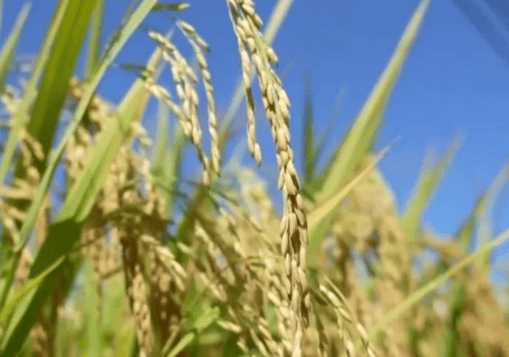
This sets a higher requirement for comprehensive grain production capacity, following years of stable grain output exceeding 1.3 trillion jin and the achievement of a new milestone of 1.4 trillion jin during the 14th Five-Year Plan period.
Why set this new target? What is the basis?
Hu Peisong, a member of the National Committee of the Chinese People's Political Consultative Conference (CPPCC) and an academician of the Chinese Academy of Engineering, stated that the draft outline for the 15th Five-Year Plan proposing a new target for comprehensive grain production capacity fully reflects the high importance the Party Central Committee and the State Council attach to ensuring national food security.
"Feeding a population of over 1.4 billion is China's actual national condition. Although grain output has been abundant for consecutive years, it must be noted that as living standards improve, people are consuming more meat, eggs, and dairy, which requires increasing amounts of feed grain for conversion. The demand for grain continues to expand, and the overall grain supply and demand remain in a tight balance," said CPPCC member Hu Peisong. He added that in recent years, frequent extreme weather events have increased uncertainties in grain production. Coupled with the complex and ever-changing international situation and variables in agricultural trade, the focus on ensuring food security must always be maintained. It is better to produce and stockpile a bit more.
Industry insiders noted that since the start of the 14th Five-Year Plan period, China has deeply implemented the national food security strategy and solidly advanced a new round of actions to increase grain production capacity by tens of billions of jin. Efforts have particularly focused on two key areas: arable land and seeds. Significant progress has been made in promoting the construction of high-standard farmland and implementing the seed industry revitalization action, laying a solid foundation for further enhancing comprehensive grain production capacity in the next five years.
How will the new target be achieved during the 15th Five-Year Plan period? The draft outline explicitly proposes a series of concrete and effective measures.
Arable land is the lifeline of food security. The draft outline emphasizes improving the "trinity" protection system for the quantity, quality, and ecology of arable land. Arrangements are made from multiple aspects, including strict management of compensation for occupied land, high-quality advancement in the construction and maintenance of high-standard farmland, and strengthening the protection of black soil and the treatment of acidified farmland.
"Protecting arable land involves maintaining quantity and improving quality," said Han Fengxiang, a deputy to the National People's Congress (NPC) and head of the Phoenix Mountain Agricultural Machinery Farmers' Professional Cooperative in Lishu County, Jilin Province. She emphasized the need to solidly advance the construction of high-standard farmland, strengthen conservation tillage on black soil, and continuously improve farmland infrastructure conditions to ensure good land yields good grain.
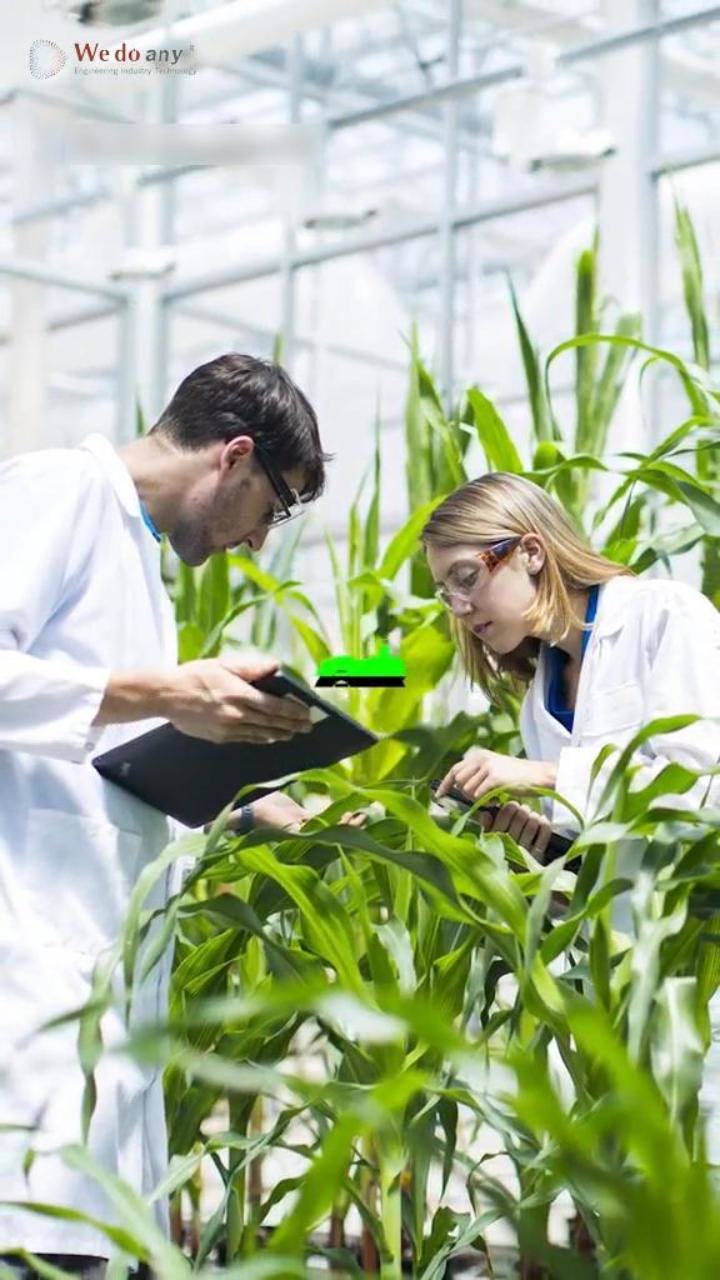
Given the limited amount of arable land, the fundamental path to stable and increased production lies in technology. The draft outline clearly states the need to strengthen agricultural technology and equipment support. It proposes to "deeply implement the seed industry revitalization action," "implement the high-quality development action for agricultural machinery and equipment, promoting the integrated enhancement of good fields, good seeds, good machinery, and good methods," and "improve the agricultural technology extension system that combines public welfare and commercial operations."
Huang Sanwen, a member of the CPPCC National Committee and President of the Chinese Academy of Agricultural Sciences, said that during the 14th Five-Year Plan period, major scientific and technological plans and actions such as seed industry revitalization and addressing weaknesses in agricultural machinery equipment have accelerated. The contribution of technology to agricultural yield increase has already exceeded 64%. "We need to accelerate breakthroughs in key core agricultural technologies, introduce more advanced, practical, and truly farmer-considerate technologies to contribute to food security," he said.
Ensuring food security must address the question of who will farm the land. The draft outline clearly states the need to improve the mechanism for safeguarding the income of grain farmers, strengthen policy support and coordination in areas such as pricing, subsidies, and insurance to protect and motivate farmers in agricultural production and grain cultivation. It also calls for increasing compensation for the interests of major grain-producing areas, implementing inter-provincial horizontal interest compensation between production and sales regions, and improving the reward and subsidy system for major grain-producing counties.
"This will help stabilize the basic income of grain farmers, protect the interests of major grain-producing areas, motivate farmers and major grain-producing areas to grow grain, and better secure China's food supply," said Xu Congxiang, an NPC deputy and Party branch secretary of the Congxiang Modern Agricultural Planting Professional Cooperative in Taihe County, Anhui Province.
Related Products


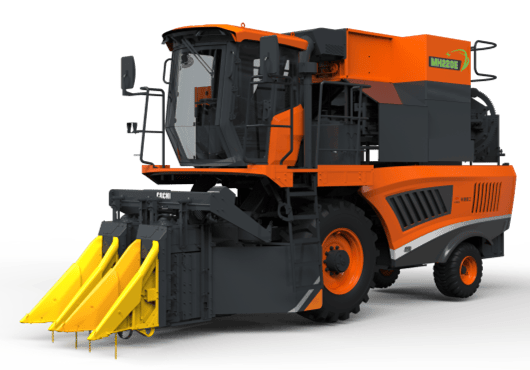
MH220E Two-Row Hybrid Packaged Cotton Picker
CHINA RAILWAY CONSTRUCTION HEAVY NDUSTRY XINJIANG CO., LTD.
4HS-8 High-efficiency Peanut Inverted-laying Harvester
Hebei Yongfa Hongtian Agricultural Machinery Manufacturing Co., Ltd.
Industrial and Commercial Point-Type Gas Detector
Jinan Benan Technology Development Co., Ltd.
714CD Series C-Band Weather Radar
Chengdu Zhongdian Jinjiang Information Industry Co., Ltd.