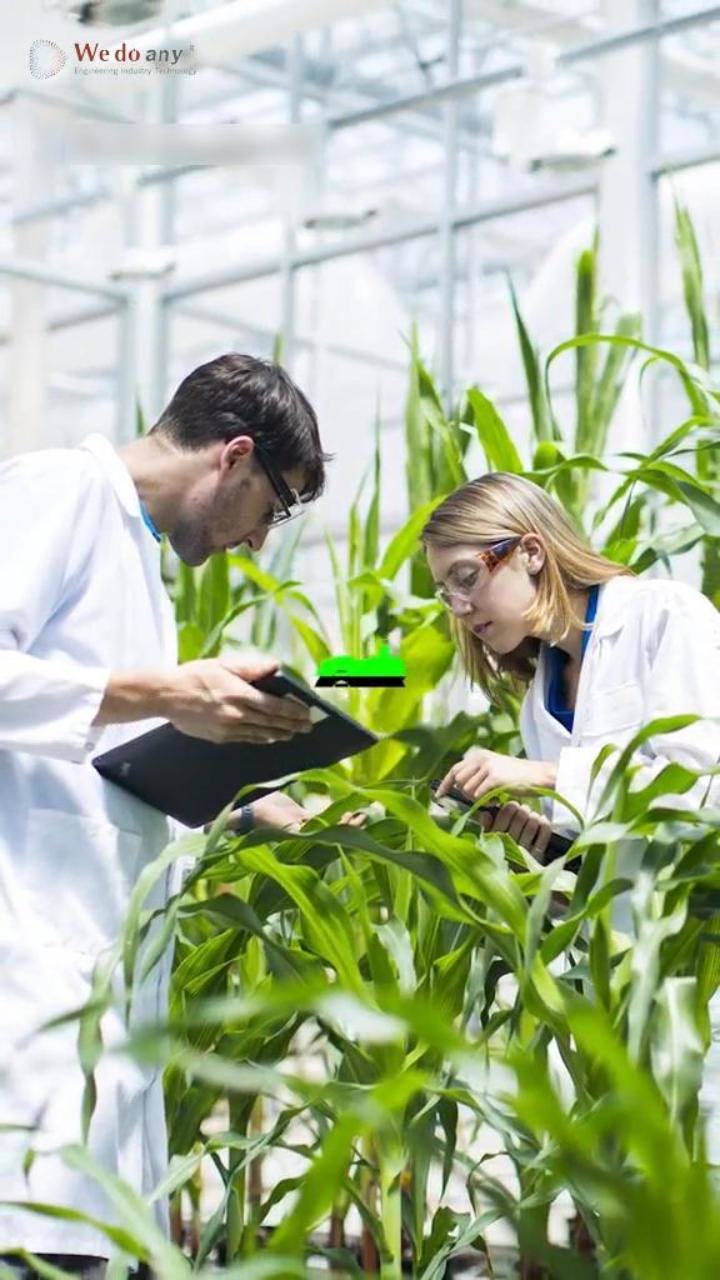
Chinese Agriculture Minister Han Jun: Promoting Seed Industry Innovation to Ensure Food Security
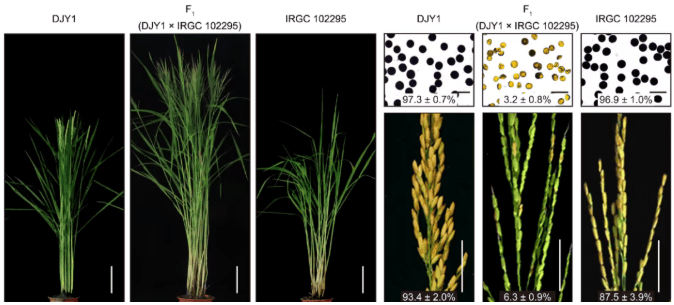
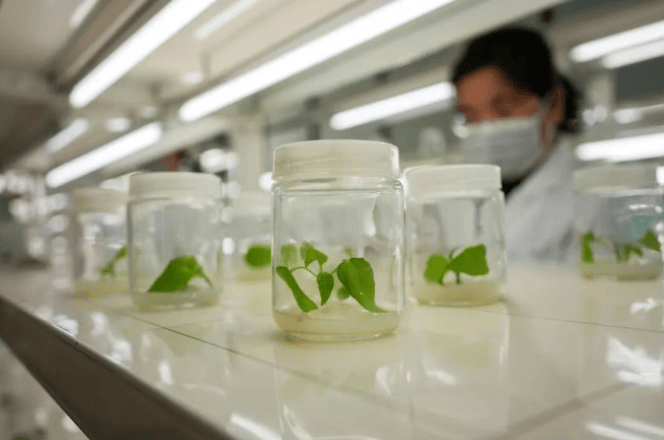
Wedoany.com Report on Mar 10th, Minister of Agriculture and Rural Affairs Han Jun said on Monday that China is revitalizing its seed industry by developing advanced crop varieties to enhance food security and increase self-reliance in seed technology. During an interview at the annual "two sessions," he noted that accelerating variety development and renewal is crucial for ensuring a stable food supply from the source. This statement aligns with the government's target of approximately 700 million tons of grain output, which was listed as a priority for economic and social development in the government work report.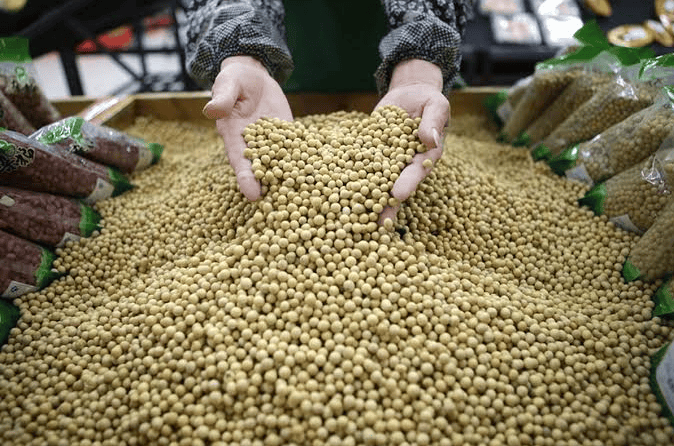
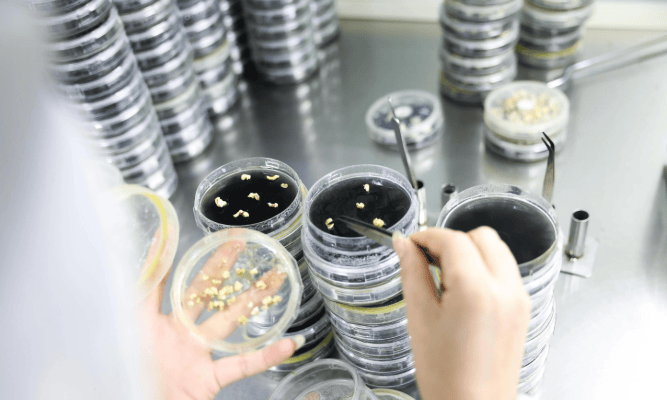
Han Jun introduced that since the implementation of the national seed industry revitalization plan in 2021, China has made significant progress. Currently, for major agricultural products such as grains, vegetables, livestock, and aquatic products, China primarily relies on domestically bred seeds, ensuring a stable supply of essential varieties. To support innovation, the government has established national crop and livestock germplasm resource banks and introduced advanced technologies such as the SeedLLM intelligent breeding model and GEAIR automated breeding robots to improve crop development efficiency.
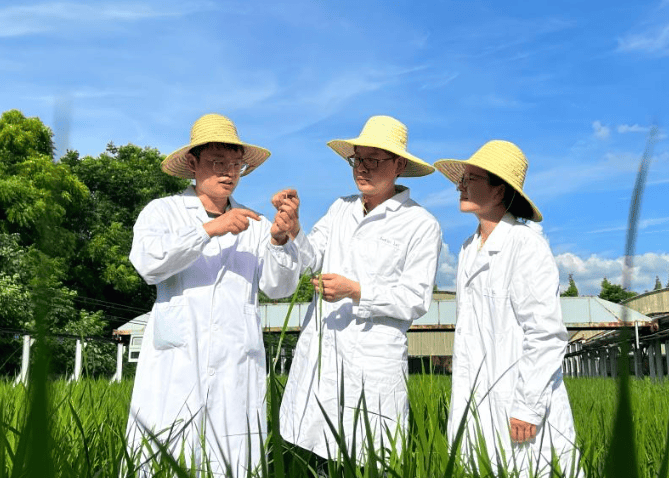
During the 14th Five-Year Plan period (2021-2025), technological advancement played a key role in agricultural modernization. Han Jun stated that the contribution rate of agricultural science and technology has exceeded 64%, and the coverage rate of improved seeds nationwide has surpassed 96%. At the same time, the level of agricultural mechanization has significantly increased, with the comprehensive mechanization rate for crop planting and harvesting reaching 76.7%. Major grain crops have achieved full mechanization.
The application of digital technology in agriculture is also expanding. Last year, over 300,000 drones were deployed on farms, covering approximately 30.67 million hectares of farmland, forming the world's largest agricultural drone usage scenario. Farmers are also increasingly adopting smart technologies such as automated harvesting robots, intelligent irrigation systems, and AI-driven laser weeders.
Han Jun added that China has developed or upgraded about 66.67 million hectares of high-standard farmland, which helps enhance agricultural resilience and improve disaster prevention and mitigation capabilities. These measures collectively promote innovation in China's seed industry, providing solid support for food security.
Related Products


714CD Series C-Band Weather Radar
Chengdu Zhongdian Jinjiang Information Industry Co., Ltd.
Industrial and Commercial Point-Type Gas Detector
Jinan Benan Technology Development Co., Ltd.

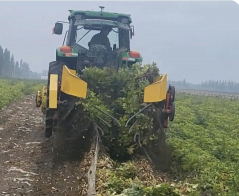
4HS-8 High-efficiency Peanut Inverted-laying Harvester
Hebei Yongfa Hongtian Agricultural Machinery Manufacturing Co., Ltd.