en.Wedoany.com Report on Mar 30th, In equipment operation, the selection of bearing shells directly impacts the overall machine's lifespan and efficiency. Correct selection must be based on matching five key performance indicators with actual operating conditions, not solely focusing on material hardness.
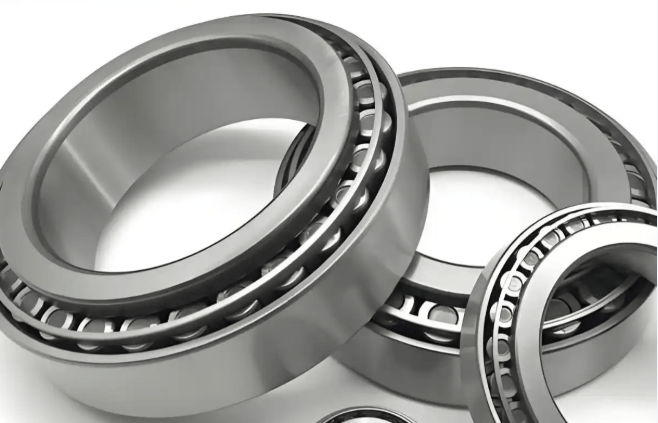
The five core performance characteristics of bearing shells include friction compatibility, embeddability, fatigue resistance, conformability, as well as wear resistance and load capacity. Friction compatibility refers to a material's ability to prevent adhesive wear when in contact with the journal shaft; Babbitt metal, due to its soft characteristics, is suitable for heavy-load, low-speed applications. Embeddability allows soft materials to accommodate impurities, preventing journal shaft scoring. Fatigue resistance requires the material to maintain strength under impact or vibration; copper-based alloys and aluminum alloys are suitable for high dynamic load scenarios. Conformability allows the material to undergo slight deformation to compensate for installation errors, reducing stress concentration. Wear resistance and load capacity are crucial in high-speed, heavy-load operating conditions, but hard materials such as bronze and cast iron require good lubrication conditions.
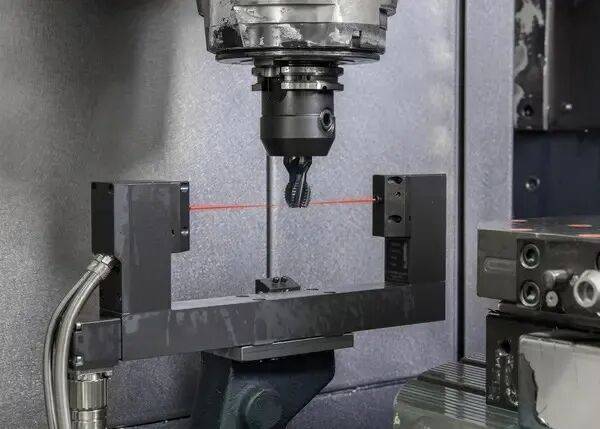
In typical application scenarios, high-speed precision machine tools often use hydrostatic bearings or anti-friction coated bearing shells to achieve low-vibration operation. Engineering machinery vibratory screens recommend copper-based self-lubricating composite materials to handle impact, vibration, and dust contamination. Food-grade conveying equipment employs PTFE composite materials to meet oil-free lubrication and hygiene standards.
Common material selection mistakes include excessively pursuing hardness while neglecting embeddability and conformability, ignoring thermal expansion matching which may lead to clearance or seizure issues, and mismatching lubrication conditions which can weaken material performance. Bearing shell selection should be based on system synergy, analyzing the five indicators and specific application scenarios to provide reliable support for the equipment.